Benefits of Physical Therapy After a Car Accident
A car accident can leave you sore, stiff, or unsure how to move comfortably, even when you do not notice symptoms right away. Physical therapy can help you understand what is affecting your mobility and create a plan for recovery. With guidance from a qualified clinician, rehabilitation may support pain relief, restore strength, and help you return to everyday activities at a pace that fits your needs.
If you have been in a collision, first follow up with a medical professional who can assess your condition. Once it is appropriate, a physical therapist can work with you and your healthcare team to address movement problems and guide your recovery.
Why Symptoms Can Appear After an Accident
The sudden forces involved in a collision may strain muscles and other soft tissues or affect how your neck, back, shoulders, or joints move. Symptoms can include soreness, stiffness, headaches, limited range of motion, or discomfort during routine tasks. Some people feel fine at first and notice symptoms later. That is one reason to pay attention to changes in how you feel after an accident and seek medical advice rather than assuming an injury will resolve on its own.
Get urgent medical care for severe or worsening symptoms, such as significant weakness, numbness, trouble breathing, confusion, or intense pain. Physical therapy is not a substitute for emergency evaluation or medical diagnosis.
How Physical Therapy Supports Recovery
A physical therapist starts by learning about your symptoms, health history, and daily demands. An evaluation may look at posture, movement, flexibility, strength, balance, and the activities that are difficult. Your plan should reflect your individual needs and any guidance from your physician.
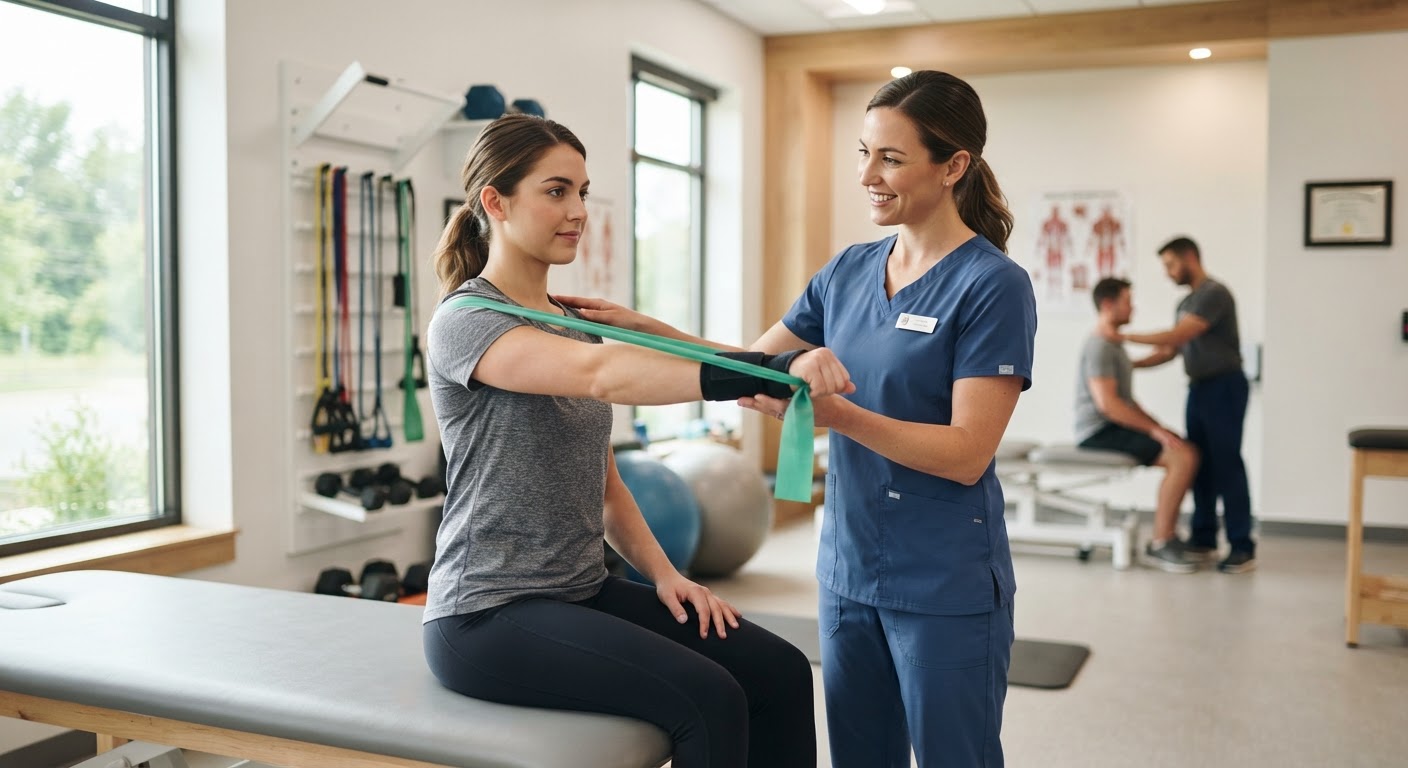
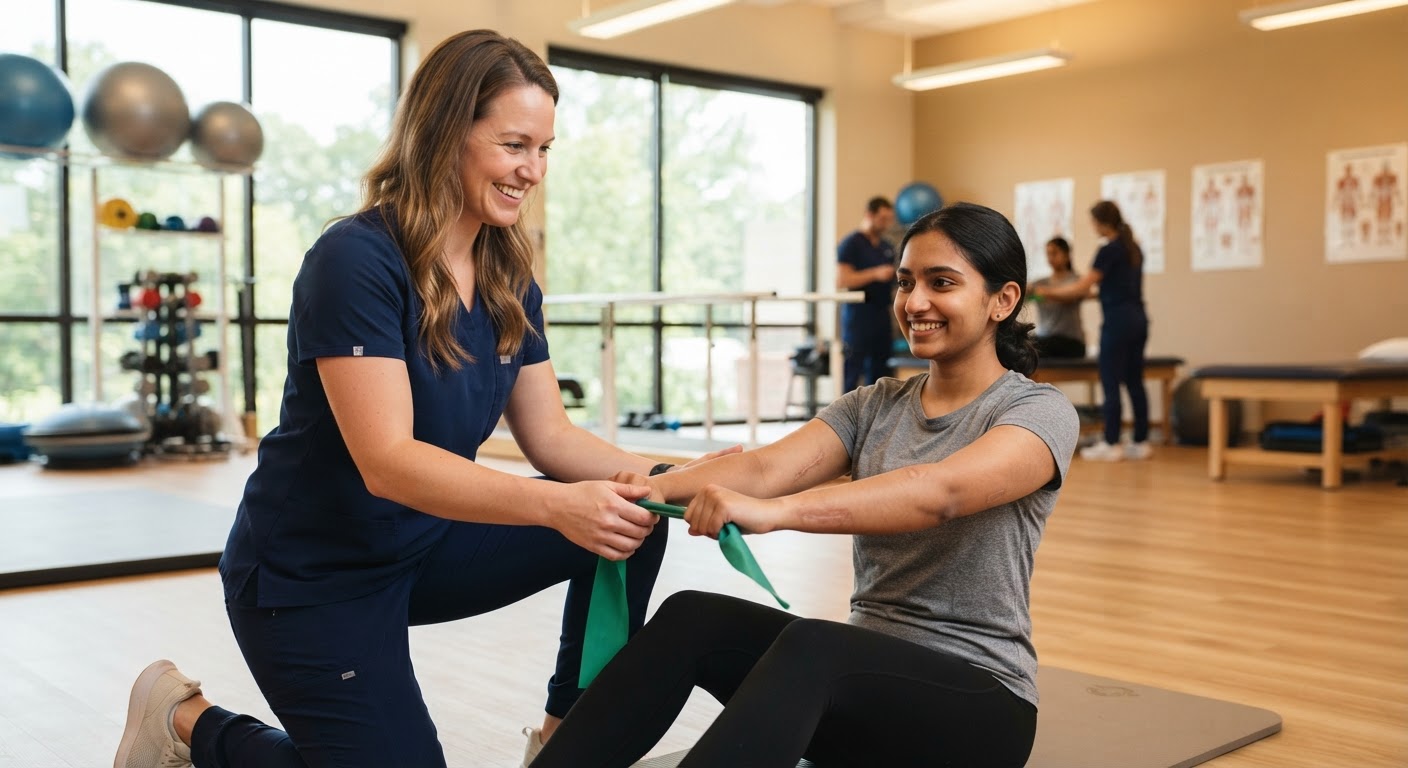
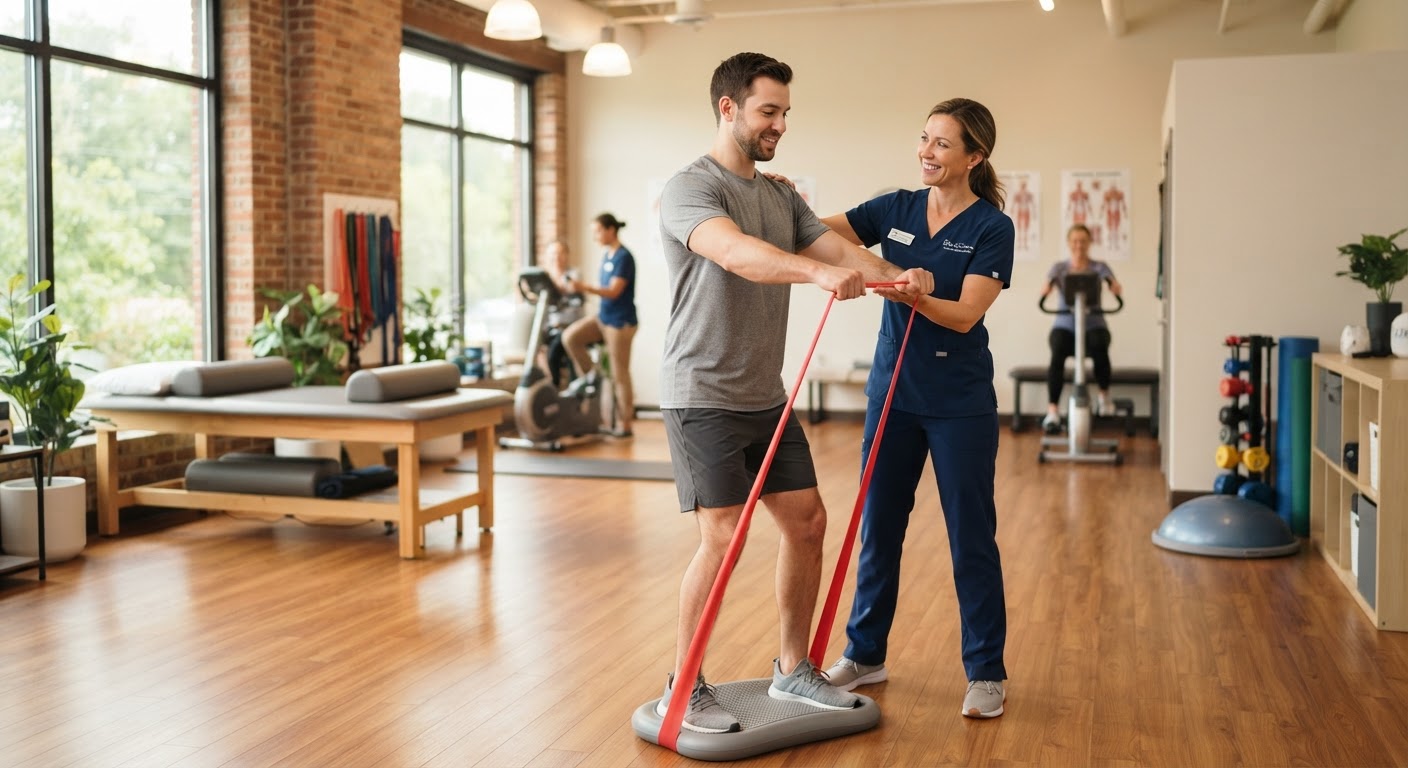
Treatment may include gentle mobility exercises, strengthening, balance or coordination work, and instruction in moving more comfortably. Your therapist may also use hands-on techniques when appropriate. The goal is not simply to get through a session, but to help you build skills and confidence you can use at home, at work, and during other daily activities.
Progress is different for everyone. Your therapist can adjust exercises and activity levels as your symptoms and abilities change. Tell them what feels better or worse, and speak up if an exercise causes sharp, increasing, or unusual pain.
Potential Benefits of Rehabilitation
A personalized rehabilitation program can address several parts of recovery:
Pain relief and symptom management. Your therapist can help identify movements or positions that aggravate discomfort and teach strategies to make activities more manageable. Carefully selected movement may also help reduce stiffness. The right approach depends on your injury and medical guidance.
Improved mobility. Gentle range-of-motion exercises can help you work toward moving your neck, back, or other affected areas more comfortably. Better mobility may make tasks such as turning your head, reaching, or getting dressed easier.
Strength and endurance. After an injury, you may avoid certain movements or become less active. Gradual strengthening can help rebuild capacity for everyday demands. Exercises should be progressed thoughtfully rather than pushed through severe pain.
Safer movement habits. A therapist can coach you on posture, lifting, getting in and out of a car, and other activities that matter in your routine. Practical instruction can help you move with more control while you recover.
A plan for returning to activity. Your therapist can help you set achievable goals and gradually resume work, exercise, household tasks, or hobbies. A step-by-step plan can feel more manageable than trying to return to everything at once.
Practical Steps You Can Take
Keep track of your symptoms. Note when discomfort began, where you feel it, what activities affect it, and whether it is changing. Share this information with your healthcare provider and physical therapist.
Follow medical instructions. Attend recommended appointments and ask before starting exercises if you have not yet been evaluated. Do not use a generic online routine as a replacement for care tailored to your condition.
Stay gently active when cleared. Complete the movements recommended for you, and take breaks from positions that increase discomfort. Avoid both pushing through significant pain and remaining inactive longer than your clinician advises.
Make daily tasks easier. Keep frequently used items within easy reach, change positions regularly, and ask for help with heavy lifting while symptoms are limiting you. Your therapist can suggest modifications based on your home and work routines.
Communicate openly. Let your care team know about new symptoms, concerns, or barriers to attending treatment. If you are unsure whether a sensation is expected, ask rather than guessing.
Choosing Local Support in Orlando
When selecting a clinic, look for a team that listens to your concerns, explains the purpose of your treatment, and adjusts your plan as you progress. At Physical Therapy NOW™ in Orlando, care can focus on your goals and the specific challenges you are experiencing after a collision. Your physical therapist can also coordinate with your medical provider when appropriate.
Physical Therapy NOW™ welcomes people seeking individualized rehabilitation at its Orlando location. Ask the clinic about scheduling, what to bring to your first visit, and how the team can help you understand the next steps in your recovery.
Take the Next Step Toward Recovery
You do not have to figure out post-accident movement challenges on your own. Timely medical guidance and a personalized physical therapy plan may help you work toward pain relief, improved mobility, and a more confident return to daily life. Contact or visit Physical Therapy NOW™ at the Orlando location to discuss your needs and schedule an evaluation. If you have severe or rapidly worsening symptoms, seek urgent medical care first.
Ready to start feeling better?
Physical Therapy NOW™ has 40+ Florida locations with same-week appointments. Most insurance, auto accident (PIP), workers' compensation and Medicare accepted.