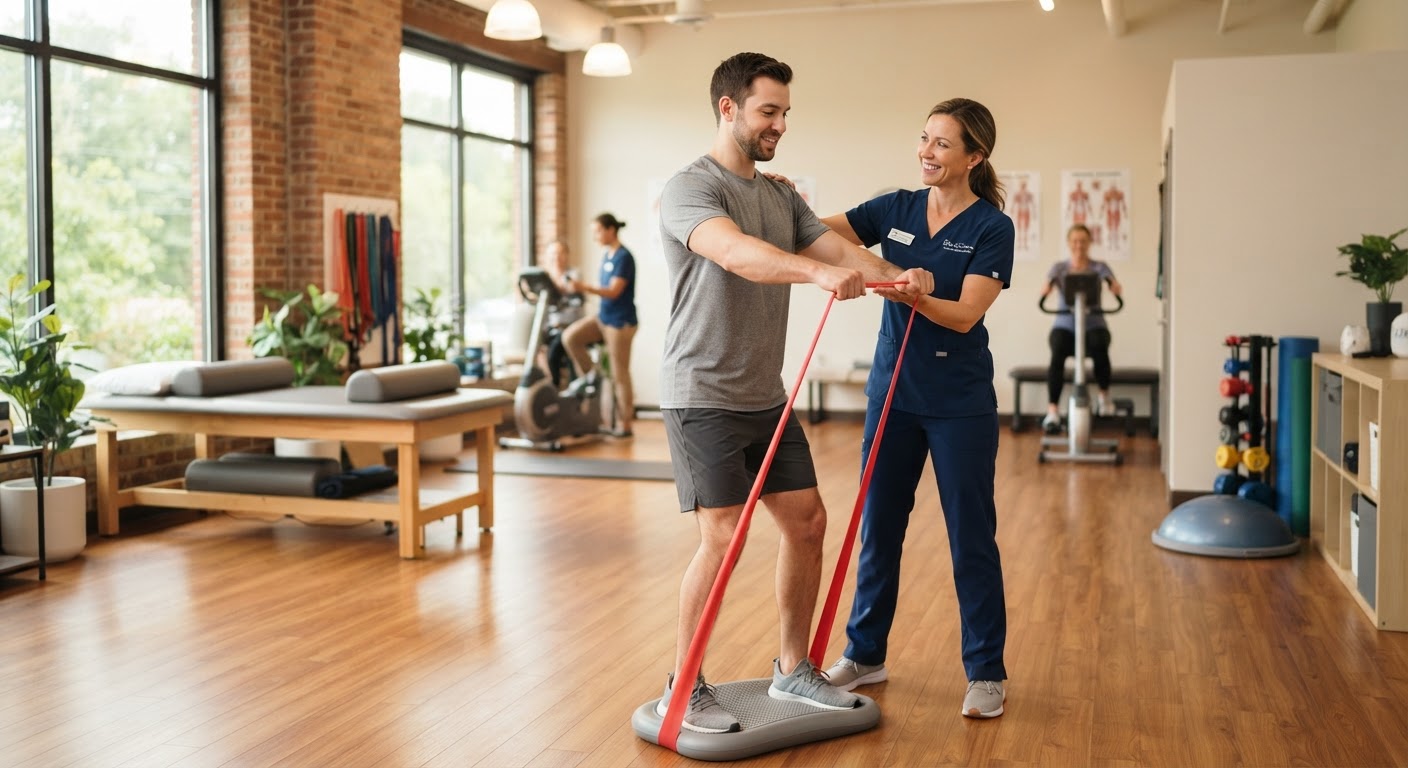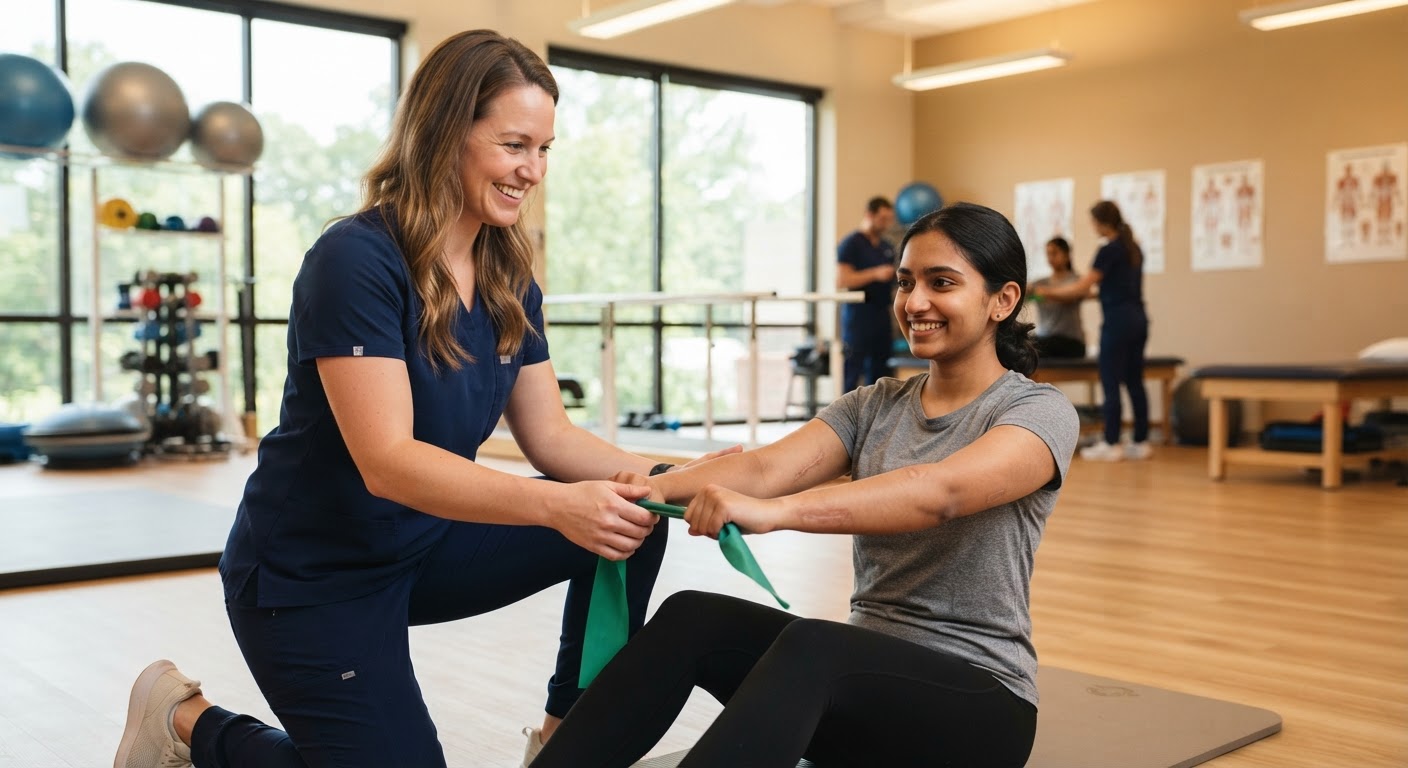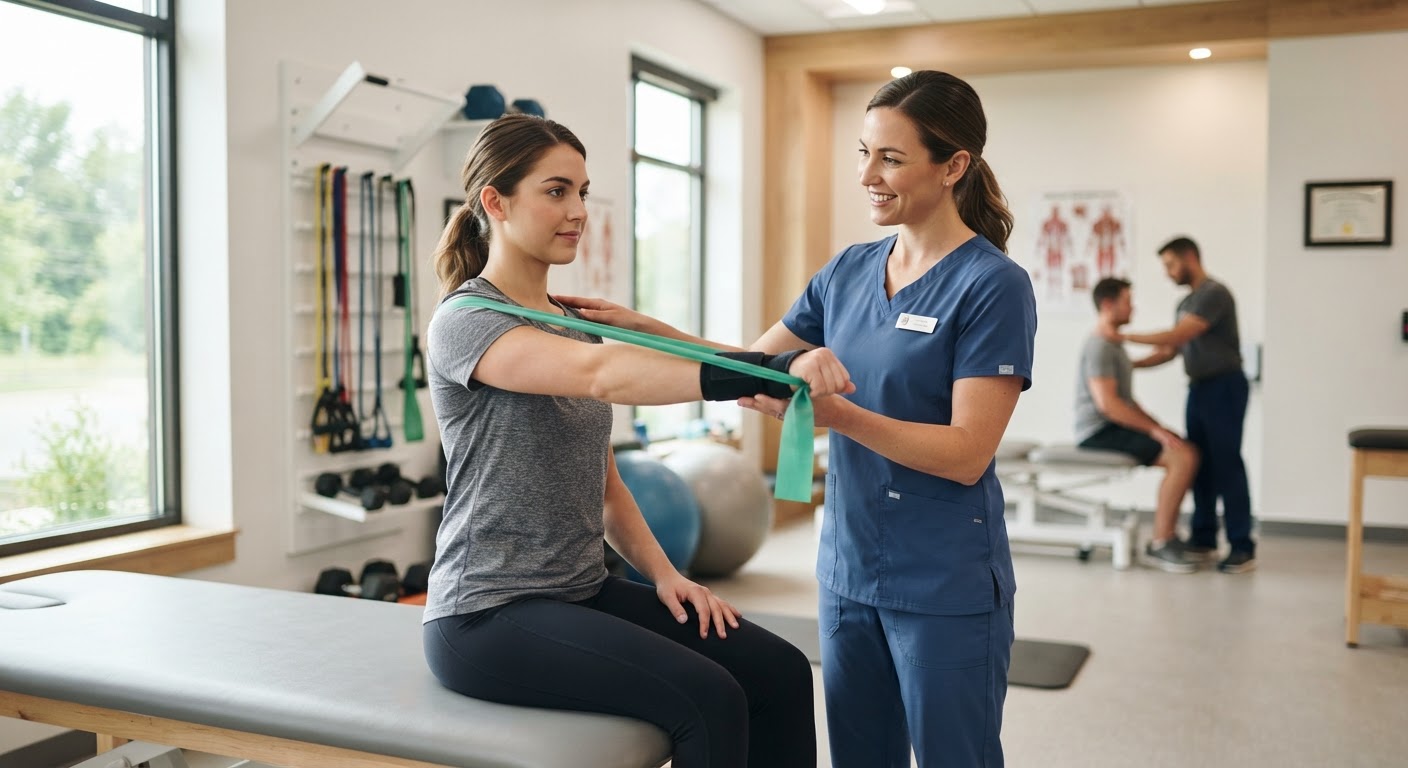
A car accident can leave you feeling sore, stiff, or unsure about what to do next. Even a collision that seems minor may lead to symptoms that develop hours or days later. Physical therapy can be an important part of recovery, helping address pain, improve movement, and rebuild strength through a plan tailored to your needs.
At Physical Therapy NOW™ in Palm Beach Gardens, FL, a physical therapist can assess how your body is moving and help you understand options for rehabilitation. Your care should reflect your symptoms, health history, and recommendations from your medical providers.
Why Symptoms May Appear Later
After an accident, your body may experience sudden forces that strain muscles, joints, and other soft tissues. Adrenaline and the stress of the event can make it harder to notice discomfort right away. Neck or back stiffness, headaches, reduced range of motion, and muscle soreness may become more noticeable later.
Do not assume that new or worsening symptoms will resolve on their own. Contact a healthcare professional for an evaluation, especially if pain limits your daily activities. Seek urgent medical care for emergency symptoms such as trouble breathing, severe or worsening pain, weakness, numbness, confusion, or loss of consciousness. A physical therapist can help address movement-related concerns, but physical therapy is not a substitute for emergency care or a medical diagnosis.
How Physical Therapy May Help
Physical therapy focuses on improving how you move and function. After an appropriate evaluation, your therapist may recommend treatments and exercises aimed at easing discomfort, restoring flexibility, and helping you gradually return to routine activities. Care is adjusted to your response, so your plan can progress as your symptoms and abilities change.
Pain relief is one common goal. Your therapist may use guided movement, positioning advice, or other appropriate techniques to help manage symptoms. The aim is not simply to mask pain, but to support better movement and help you understand how to avoid aggravating the affected area.
Treatment may also address stiffness and limited mobility. Gentle, progressive exercises can help you work toward comfortable movement in the neck, back, shoulders, or other affected areas. If an injury has reduced your strength or endurance, a rehabilitation plan may include gradual strengthening and conditioning suited to your current ability.
Physical therapy can provide practical guidance for everyday tasks, too. Your therapist can help you practice safe ways to sit, stand, lift, or return to work and recreation. Learning how to pace activities and modify movements may make recovery feel more manageable.
A Plan Built Around Your Needs
There is no single recovery timeline or treatment plan that fits everyone after a collision. At an initial visit, your physical therapist may ask about the accident, your symptoms, and how they affect daily life. They may assess your posture, range of motion, strength, balance, and functional movement, while considering any medical guidance you have received.
Based on that assessment, your therapist can explain recommended goals and discuss a plan for rehabilitation. Your program may include supervised exercises and activities to practice at home. As you improve, the plan can be updated to reflect your progress. Share changes in your symptoms, questions, and any concerns about an exercise so your care team can respond appropriately.
Practical Steps During Recovery
Follow the guidance of your physician and physical therapist, and attend recommended appointments. If you have not been evaluated after the accident, contact a healthcare professional to discuss your symptoms before starting a new exercise routine.
At home, use only activities and exercises that your care team has approved. Begin gradually, and stop an activity if it causes sharp, increasing, or unusual symptoms. Let your therapist know what you notice rather than trying to push through significant pain.
Keep track of how symptoms affect sleep, work, driving, and household tasks. This information can help your therapist understand what is improving and where you may need additional support. Take breaks when needed, and return to activities in manageable steps instead of rushing back to your previous routine.
If you receive instructions from a medical provider, follow them and share relevant information with your physical therapist. Good communication helps your care team coordinate recommendations and adapt your plan when necessary.
Take the Next Step Toward Recovery
The right support can help you move forward after a car accident with a clearer understanding of your symptoms and a plan for rebuilding function. Physical therapy may support pain relief, mobility, strength, and a gradual return to daily activities, with care guided by your needs and progress.
If you are experiencing discomfort or movement limitations after a collision, contact Physical Therapy NOW™ at the Palm Beach Gardens location to ask about an evaluation. Call or visit the clinic to discuss your next steps and learn how personalized physical therapy may fit into your recovery.
Ready to start feeling better?
Physical Therapy NOW™ has 40+ Florida locations with same-week appointments. Most insurance, auto accident (PIP), workers' compensation and Medicare accepted.