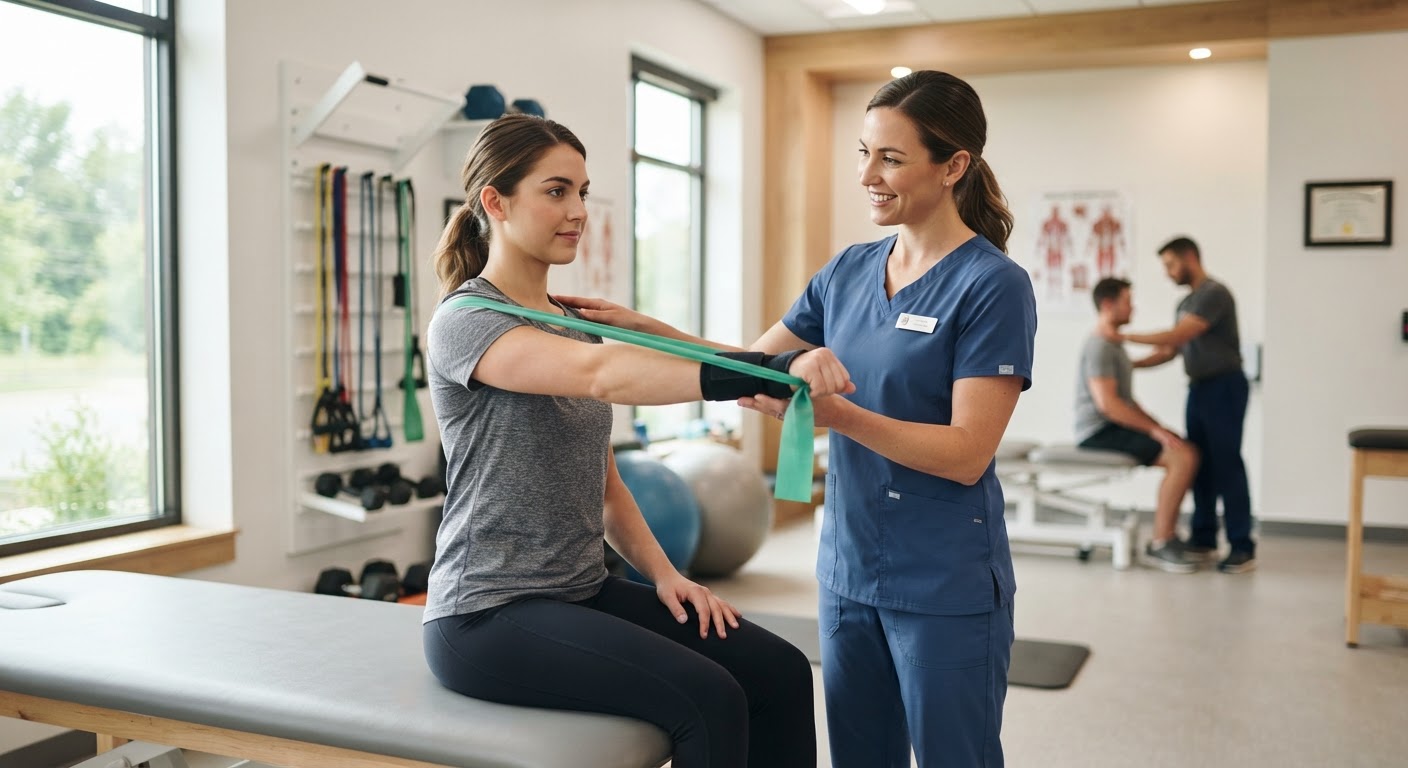
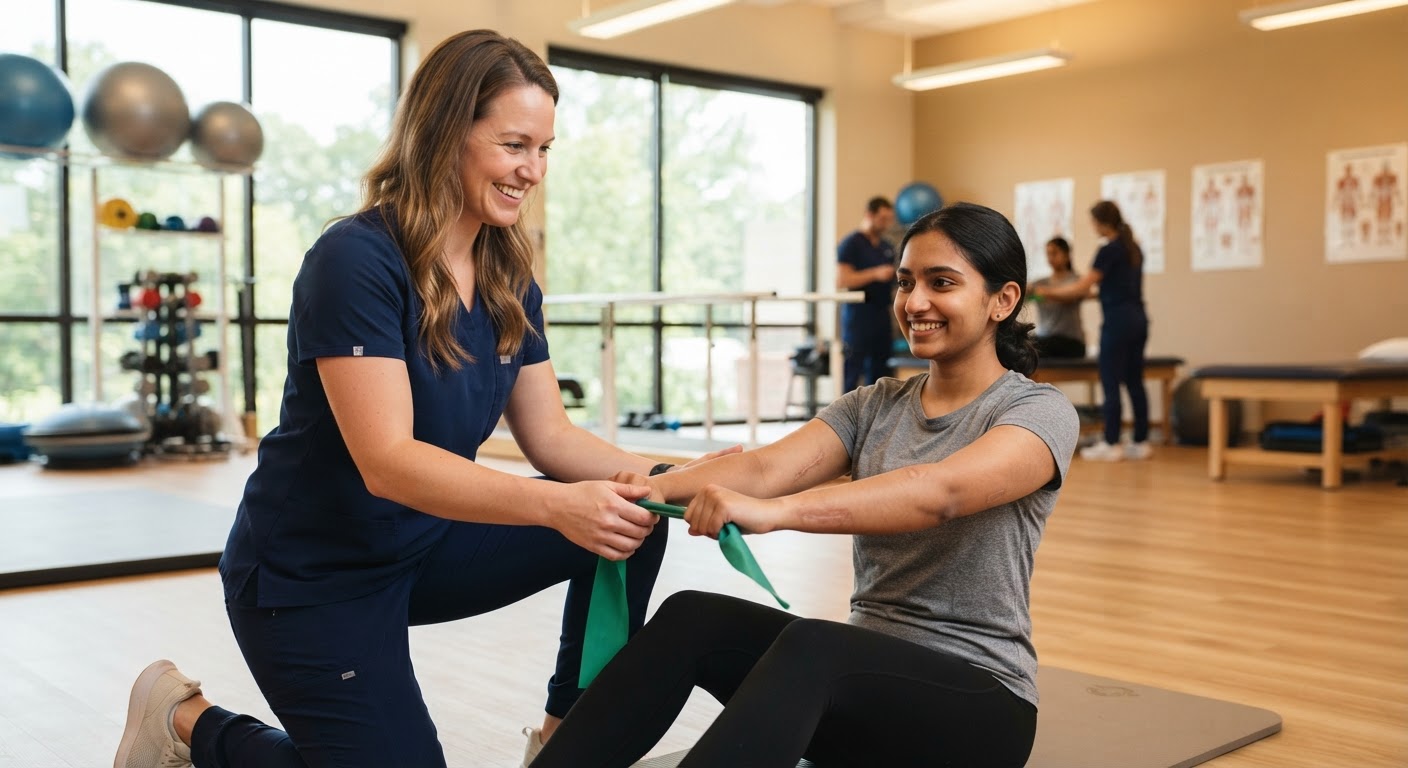
A car accident can leave you with pain, stiffness, reduced mobility, or questions about what to do next. Even when injuries seem minor at first, symptoms may become more noticeable over the following hours or days. Physical therapy can help you understand your movement concerns, work toward pain relief, and build a thoughtful plan for recovery.
At Physical Therapy NOW™ in Palm Harbor, FL, care begins with understanding how an accident has affected your daily life. A physical therapist can assess your movement, discuss your symptoms, and recommend rehabilitation that is appropriate for your needs and medical history.
Why Symptoms May Appear Later
After a collision, the body may feel tense or shaken, and some symptoms are not immediately obvious. Neck or back discomfort, headaches, muscle soreness, and difficulty moving comfortably can emerge later. The experience varies from person to person, and symptoms can have different causes.
Do not assume that worsening pain will simply go away, or try to push through symptoms without guidance. Contact a medical professional if you have concerns. Seek urgent medical care for serious symptoms such as difficulty breathing, severe or worsening pain, weakness or numbness, confusion, or a severe headache. A physical therapist can also help determine whether therapy is appropriate or whether you should first be assessed by another healthcare provider.
How Physical Therapy Supports Recovery
Physical therapy is a personalized approach to improving movement and function. After an accident, an evaluation may include questions about the collision and your symptoms, as well as an assessment of mobility, strength, balance, and activities that are difficult. Your therapist can use this information to create a rehabilitation plan that matches your goals and tolerance.
Treatment may include guided exercises, movement training, hands-on techniques when appropriate, and education about managing activity. The focus is not just on a painful area. It may also include how you sit, walk, lift, sleep, or complete work and household tasks. Your plan can change as your symptoms and abilities change.
Physical therapy does not guarantee a particular outcome, and recovery timelines differ. Consistent communication with your care team helps ensure that the plan remains suitable as you progress.
Potential Benefits After a Car Accident
A well-designed rehabilitation program may help reduce discomfort and improve mobility. Gentle, progressive movement can address stiffness and help restore comfortable range of motion. Strength and coordination exercises may help you rebuild capacity for daily activities, while guidance on posture and movement can make tasks feel more manageable.
Therapy can also offer practical strategies for pacing your activity. For example, your therapist might help you break a demanding task into smaller steps, adjust how you lift, or gradually increase walking time. These strategies can reduce the temptation to avoid all movement or, at the other extreme, do too much on a day when you feel better.
Another benefit is having a professional to check your progress and answer questions. You can discuss which activities are safe to continue, when to modify an exercise, and what changes in symptoms should prompt follow-up with a healthcare provider. This guidance can help you feel more confident as you work toward normal routines.
Practical Steps You Can Take
Keep track of your symptoms. Note when discomfort began, where you feel it, what activities make it better or worse, and whether you notice changes in sleep, concentration, or movement. This information can help your healthcare team understand what you are experiencing.
Follow the advice you receive after the accident. If you were given medical instructions or referred for further evaluation, follow up as recommended. Bring relevant paperwork, a medication list, and questions to your appointments when possible.
Stay gently active only within your comfort and medical guidance. Avoid forcing stretches or exercises that increase pain, and do not start a strenuous program without professional advice. Short, manageable bouts of movement may be more comfortable than trying to resume every activity at once.
Make everyday tasks easier while you recover. Take breaks, change positions regularly, and ask for help with lifting or other tasks that aggravate symptoms. Use a comfortable driving position and take breaks on longer trips if your symptoms allow. Tell your therapist which activities matter most to you so your plan can address real-life goals.
What To Expect At Your First Visit
Your initial appointment is a chance to explain what happened and discuss what you hope to regain. Be prepared to describe your symptoms, their timing, and any previous injuries or health conditions. Your therapist may ask about work, driving, exercise, and home responsibilities to understand how the accident affects your routine.
The assessment and any recommended treatment should be guided by your presentation and comfort. Ask questions if an exercise or technique is unclear, and let your therapist know if something makes your symptoms worse. A good rehabilitation plan is collaborative and can be adjusted as needed.
Start Your Recovery With Local Support
If pain, stiffness, or movement difficulties are affecting your routine after a collision, consider discussing physical therapy with a qualified healthcare professional. The team at Physical Therapy NOW™ in Palm Harbor, FL can help you explore whether rehabilitation may fit your needs and identify practical next steps.
Call or visit the Physical Therapy NOW™ Palm Harbor location to ask about scheduling an evaluation. Taking the first step can help you get clearer guidance, work toward pain relief, and move forward with a recovery plan tailored to your goals.
Ready to start feeling better?
Physical Therapy NOW™ has 40+ Florida locations with same-week appointments. Most insurance, auto accident (PIP), workers' compensation and Medicare accepted.