A car accident can affect your body in ways that are not always obvious right away. Even a collision that seems minor may leave you with soreness, stiffness, headaches, or difficulty moving comfortably. Physical therapy can help you address these concerns, rebuild strength, and work toward a safe return to your usual activities.
At Physical Therapy NOW™ in Davie, FL, care is tailored to your symptoms, health history, and recovery goals. Whether discomfort began immediately or appeared a day or two after the crash, a physical therapist can assess your movement and help you understand practical next steps.
Why Symptoms May Appear Later
After an accident, your body may respond to the sudden force with muscle tension, inflammation, or protective movement patterns. Adrenaline and the stress of the event can also make it harder to notice discomfort at first. Symptoms may become more noticeable as you resume driving, working, sleeping, or household tasks.
Common concerns after a crash include neck and back pain, limited range of motion, muscle soreness, and difficulty with balance or everyday movement. Symptoms can have different causes, so avoid assuming that all pain is simply soreness. Seek medical evaluation for new or worsening symptoms, and follow your healthcare provider’s guidance. Physical therapy can be part of a coordinated recovery plan when appropriate.
How Physical Therapy Supports Recovery
A physical therapist begins by learning about the accident, your symptoms, and the activities that matter to you. An evaluation may include checking posture, flexibility, strength, balance, and how comfortably you move. This information helps guide a treatment plan that can be adjusted as your needs change.
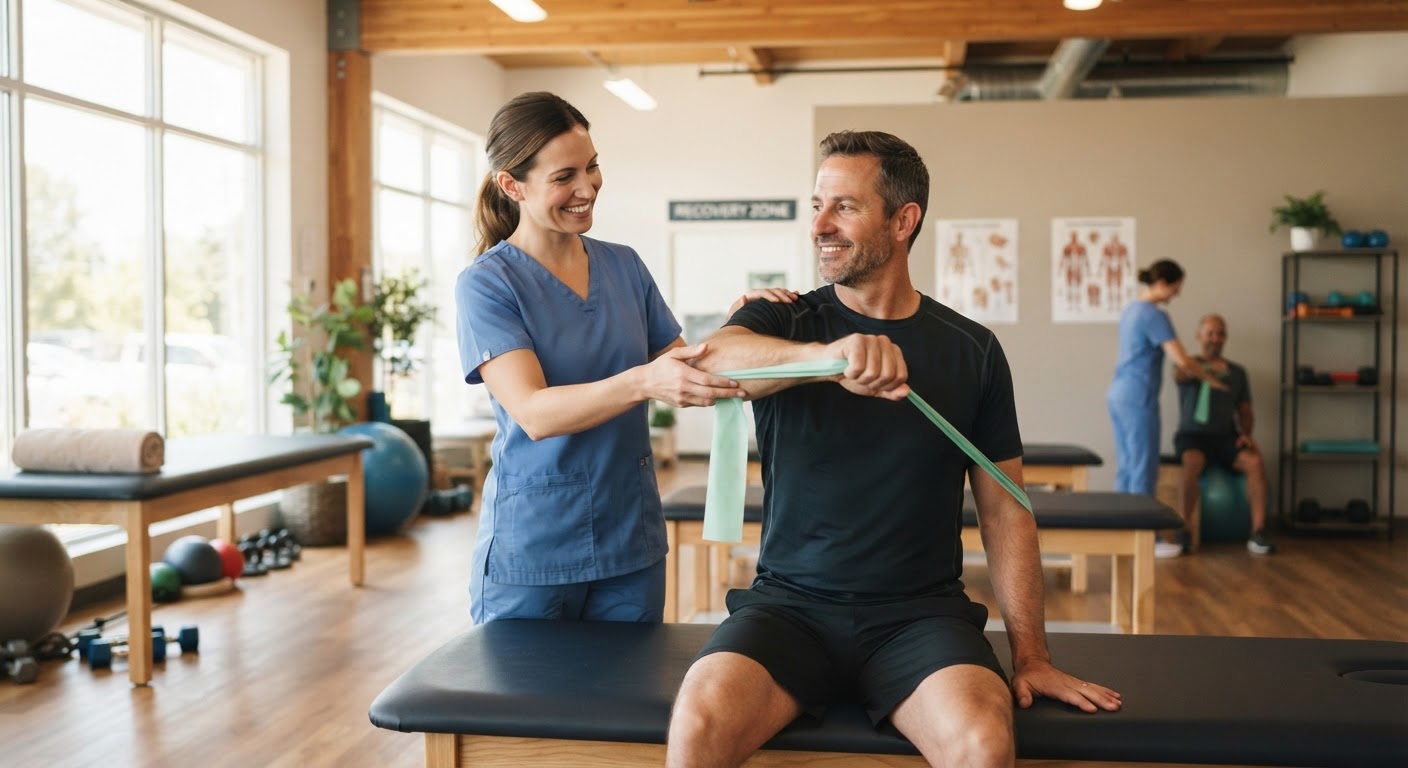
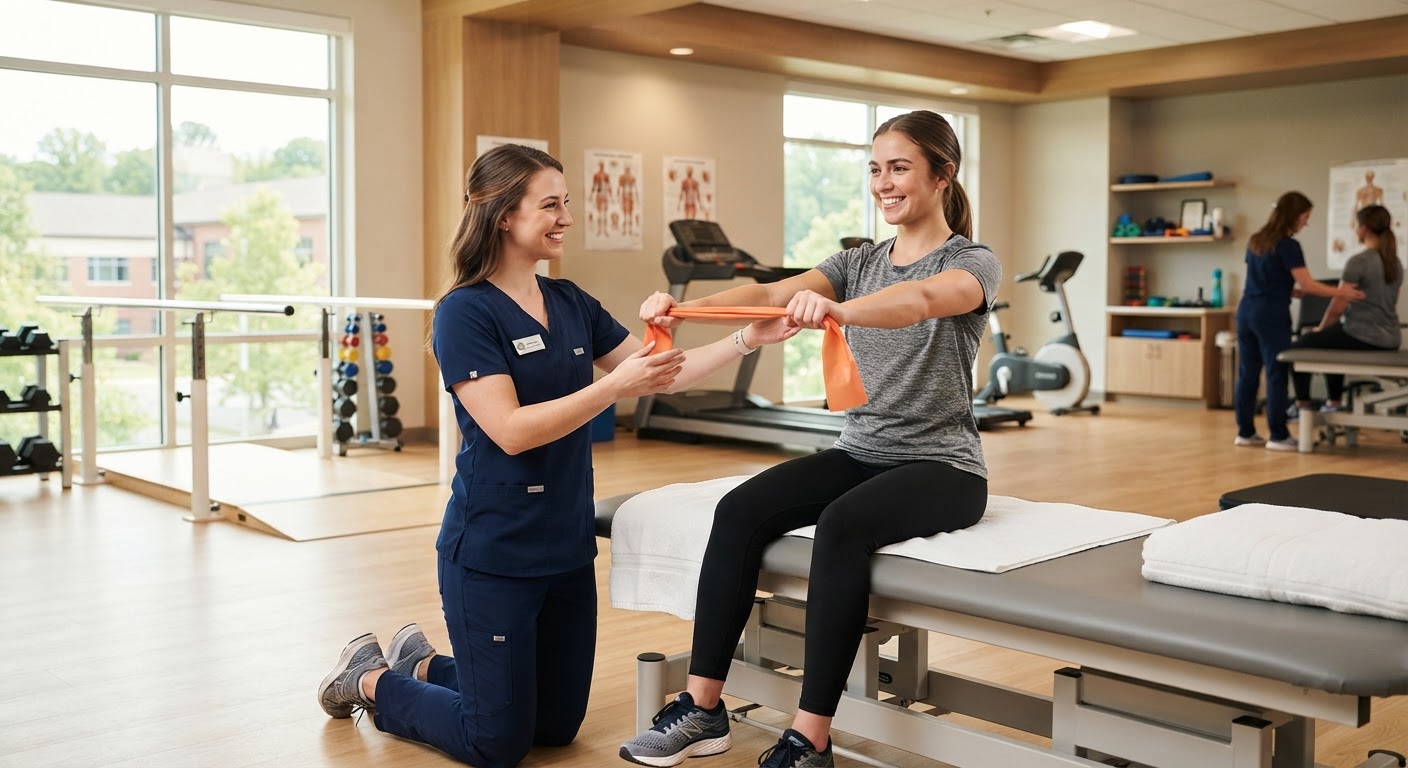
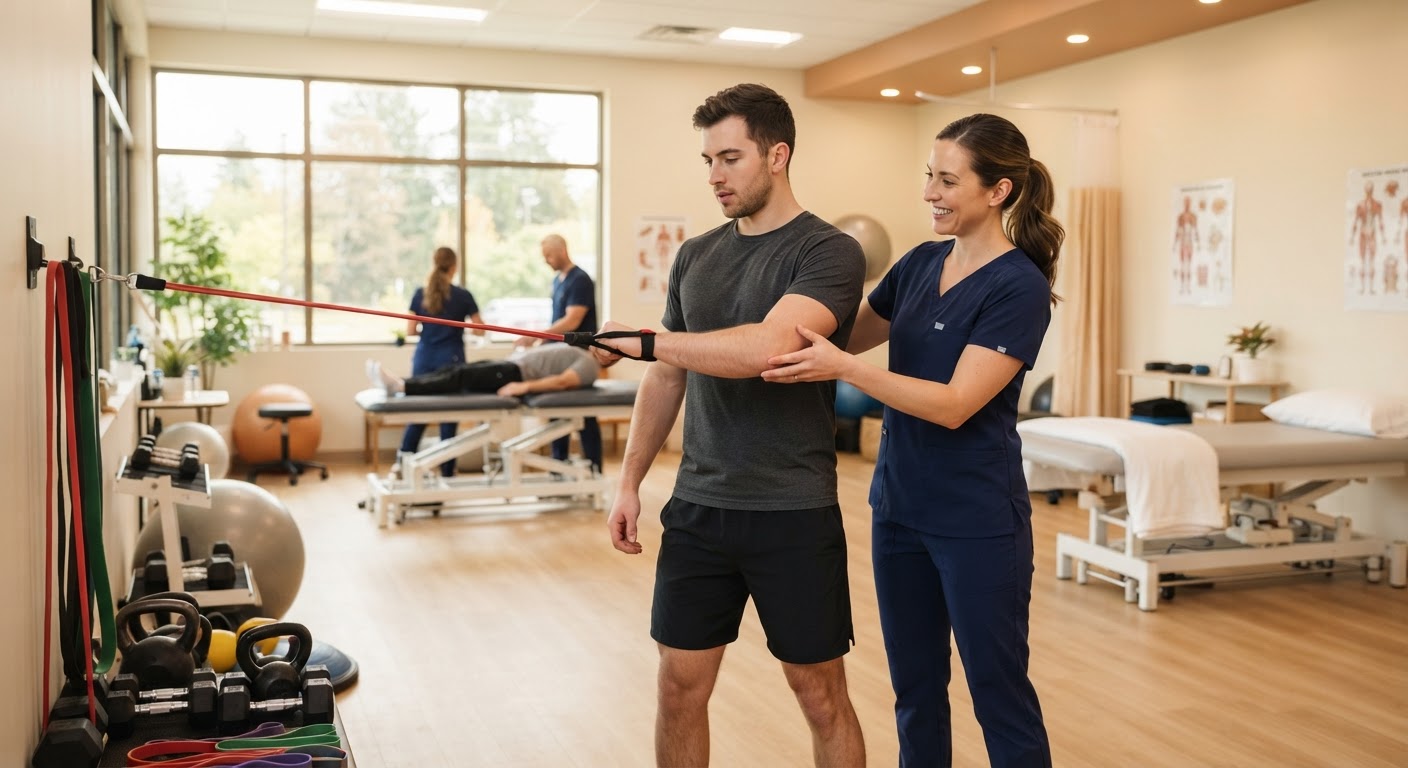
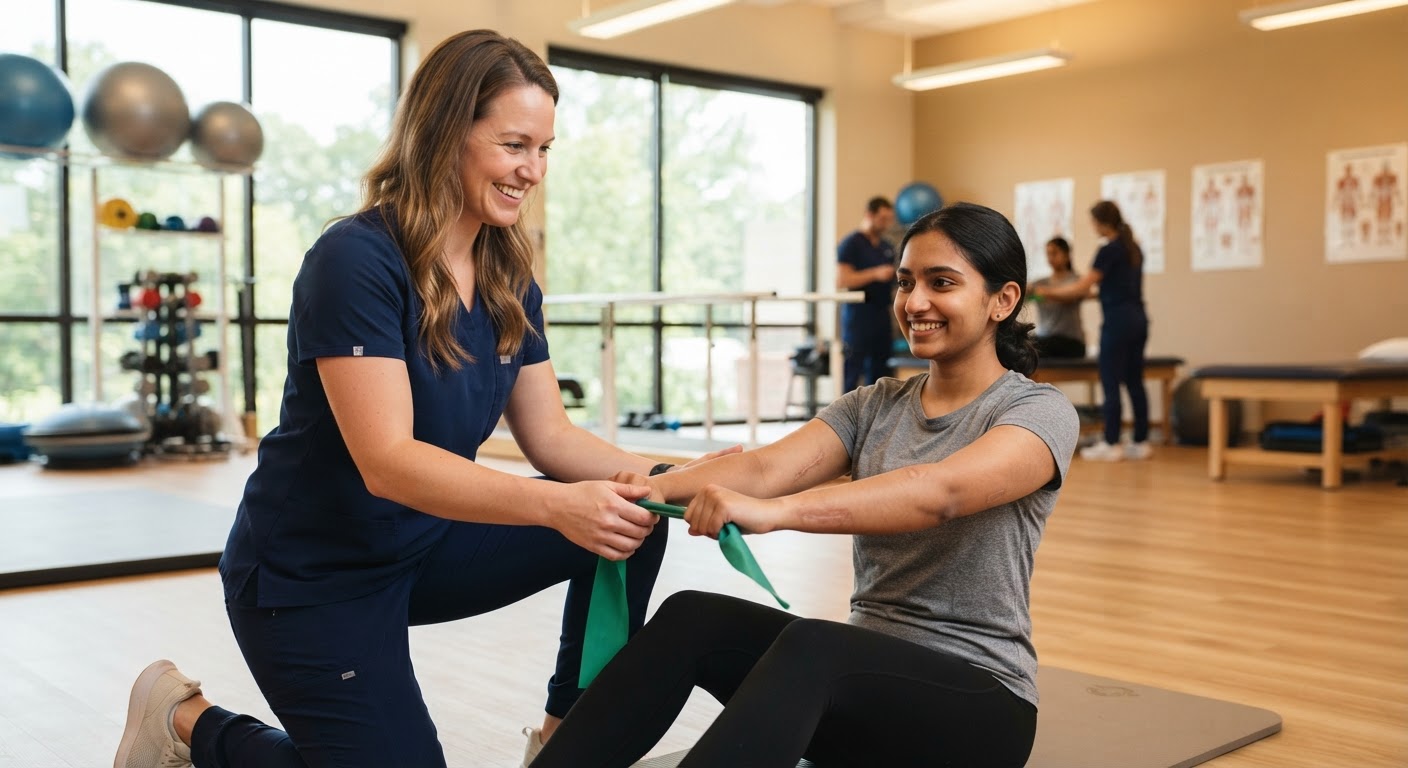
Treatment may include gentle mobility exercises, stretching, strengthening, balance activities, and hands-on techniques when suitable. Your therapist can also coach you on posture and ways to modify activities while your body heals. The goal is not to push through pain. It is to make progress at a pace that is appropriate for you.
For many people, rehabilitation after an accident focuses on improving movement and building tolerance for daily tasks. A gradual, supervised approach can help you regain confidence with activities such as turning your head, lifting, walking, or sitting for longer periods. Your plan should reflect your condition and may change as you recover.
Potential Benefits Of Physical Therapy
Pain relief is an important goal for many people after a collision. Physical therapy may help reduce discomfort by addressing movement limitations, muscle weakness, and habits that place extra strain on sensitive areas. Your therapist can recommend exercises and strategies suited to your symptoms rather than relying on a one-size-fits-all routine.
Therapy can also help restore flexibility and strength. When pain makes you avoid movement, the affected area may become stiff or weak over time. Carefully selected exercises can help you build mobility and strength progressively, while your therapist monitors your response.
Another benefit is learning how to manage your recovery between visits. You can get guidance on pacing activities, using comfortable positions, and recognizing when to modify an exercise. This education may make it easier to take an active role in rehabilitation and return to daily routines with greater confidence.
What To Expect At A Visit
Your first appointment typically includes a conversation about your accident, medical history, symptoms, and goals, followed by a physical assessment. Be ready to describe where you feel discomfort, what makes it better or worse, and how it affects sleep, work, driving, or exercise. Sharing these details helps your therapist make recommendations that fit your situation.
Your therapist may begin with gentle exercises or other appropriate techniques and explain what to do at home. Ask questions if an activity is uncomfortable or unclear. Some mild effort may be expected during exercise, but sharp, increasing, or unusual pain should be discussed with your therapist. Do not change medications or disregard medical advice based on exercise guidance alone.
Practical Tips For The Days After A Crash
Arrange a medical evaluation when needed, especially if symptoms are significant, getting worse, or interfering with normal activities. Follow the instructions you receive and let your healthcare team know about changes in your condition.
Keep a simple record of your symptoms and the activities that affect them. Note whether discomfort changes with movement, rest, or time of day. This information can help your care team understand your progress.
Stay gently active within your comfort level if your medical provider has not advised otherwise. Avoid forcing stretches or returning too quickly to strenuous exercise. Take breaks from prolonged positions, and ask your therapist how to adjust work, driving, or household tasks while you recover.
Attend recommended appointments and follow your individualized home program. Consistency matters, but exercises should be performed as instructed. Contact your therapist if you are unsure how to do an exercise or if your symptoms change.
When To Seek Urgent Care
Physical therapy is not a substitute for emergency medical care. Call 911 or seek urgent evaluation for serious symptoms such as trouble breathing, fainting, new weakness or numbness, confusion, severe or worsening headache, or significant neck or back pain after a crash. If you are uncertain about a symptom, contact a medical professional for direction.
Get Support In Davie
Recovery after a car accident can feel uncertain, especially when pain interferes with work, family responsibilities, or sleep. A physical therapist can help you understand your movement, set realistic goals, and follow a plan designed around your needs. Physical Therapy NOW™ provides rehabilitation support for people seeking care at the Davie location.
If you are experiencing discomfort or limited movement after a collision, contact or visit Physical Therapy NOW™ in Davie, FL to ask about scheduling an evaluation. Call the Davie location to discuss your concerns and take a practical first step toward pain relief and a safer return to the activities you value.
Ready to start feeling better?
Physical Therapy NOW™ has 40+ Florida locations with same-week appointments. Most insurance, auto accident (PIP), workers' compensation and Medicare accepted.