Benefits of Physical Therapy After a Car Accident
A car accident can leave you feeling shaken, sore, or unsure about what to do next. Even when injuries seem minor at first, stiffness and discomfort may become more noticeable in the hours or days after a collision. Getting appropriate medical guidance and starting a personalized rehabilitation plan can help you address symptoms and work toward a safe return to daily activities.
Physical therapy after a car accident focuses on restoring movement, building strength, and managing pain. At Physical Therapy NOW™ in Homestead, FL, a physical therapist can evaluate your needs and help develop a plan based on your symptoms, medical history, and recovery goals.
Why Symptoms May Appear Later
After a collision, your body may experience sudden forces that affect muscles, joints, and other soft tissues. You may notice neck or back pain, headaches, reduced range of motion, muscle tightness, or discomfort when walking or reaching. Sometimes these symptoms are not obvious immediately. Adrenaline and stress can make it harder to recognize how you feel right after an accident.
Pay attention to changes in your body over the next several days. Contact a healthcare professional for an assessment, especially if pain is increasing or interfering with sleep, work, or routine activities. Seek urgent medical care for serious symptoms such as difficulty breathing, severe or worsening headache, confusion, new weakness or numbness, or loss of bladder or bowel control. A physical therapist can provide care within the appropriate medical plan and refer you for further evaluation when needed.
How Physical Therapy Supports Recovery
Care begins with an evaluation of your movement, strength, flexibility, balance, and symptoms. Your therapist will ask about the accident and the activities that are difficult for you. This information helps guide treatment and establish realistic milestones. Your plan may change as you improve or if your symptoms need additional attention.
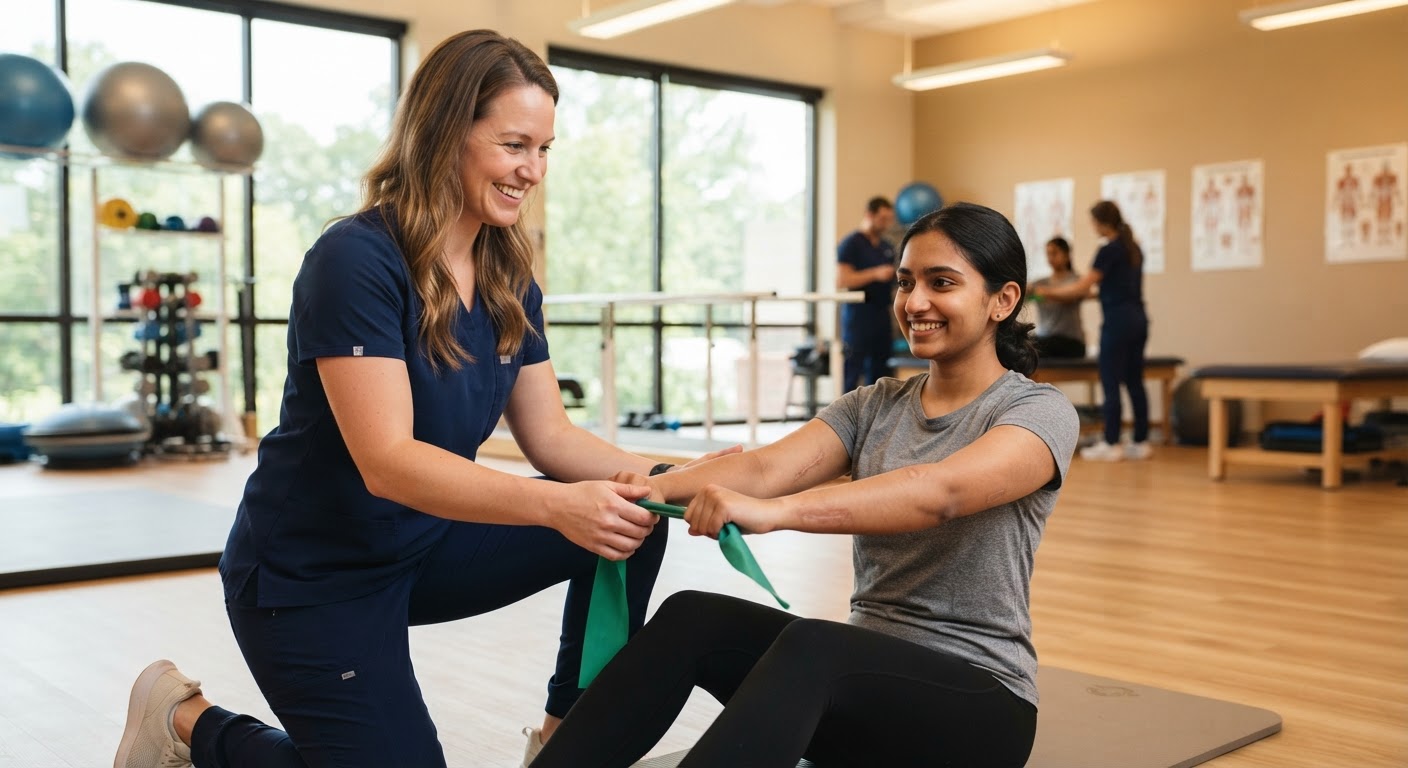
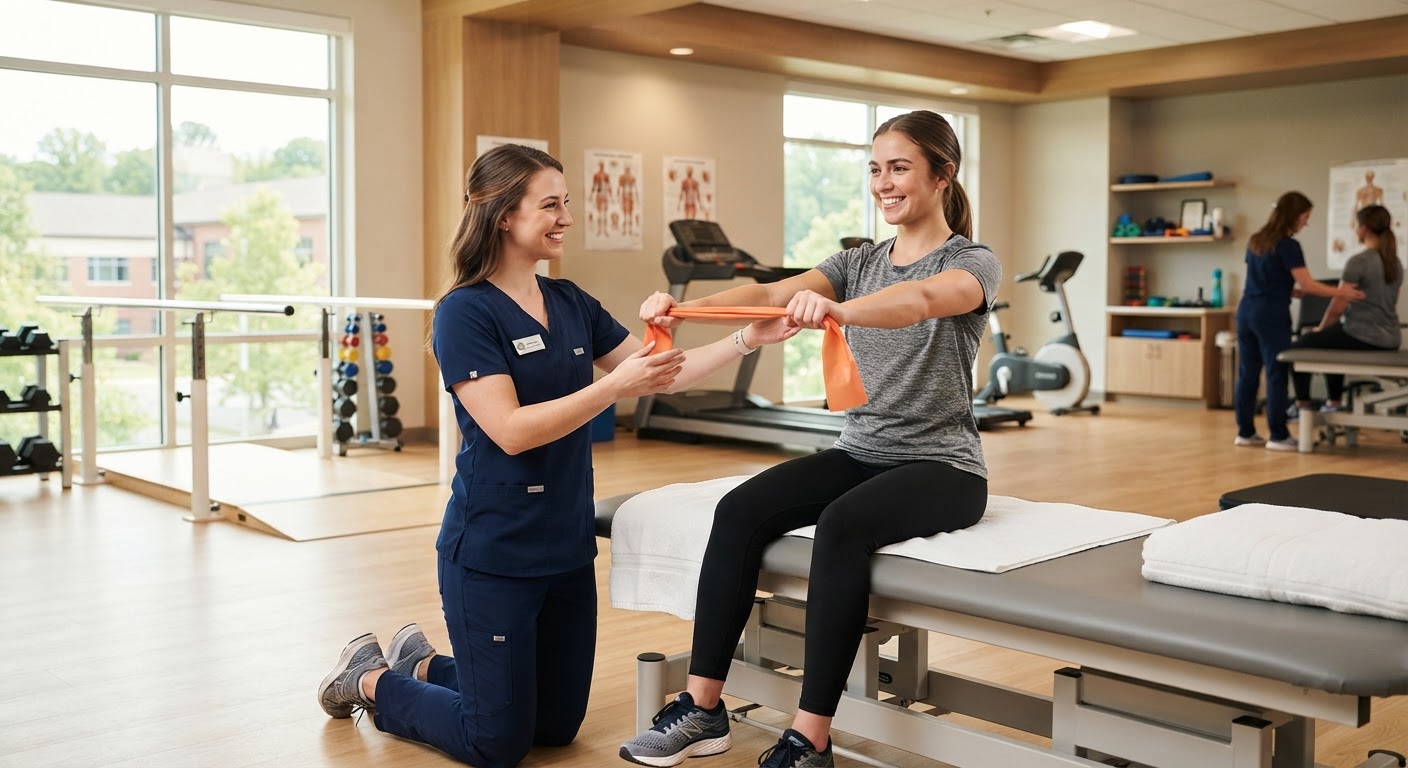
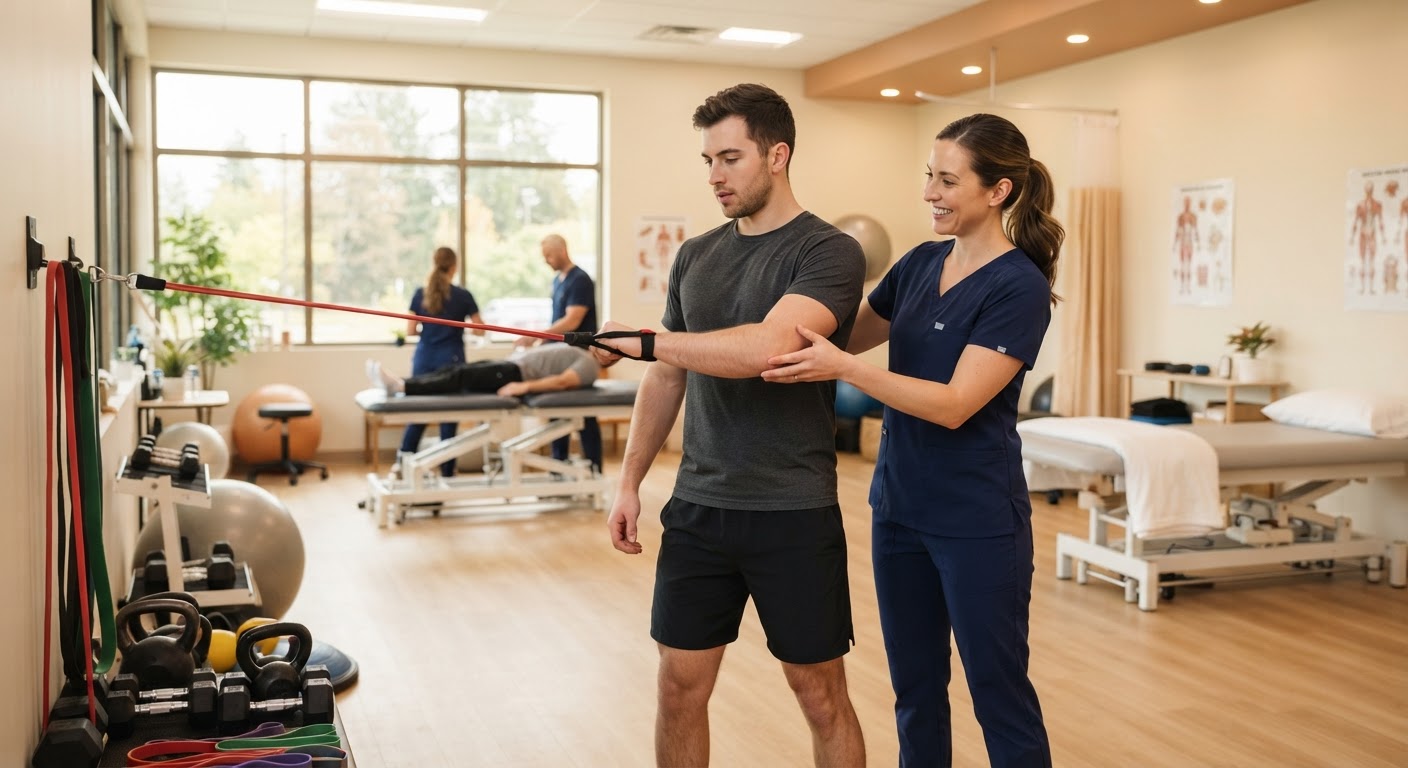
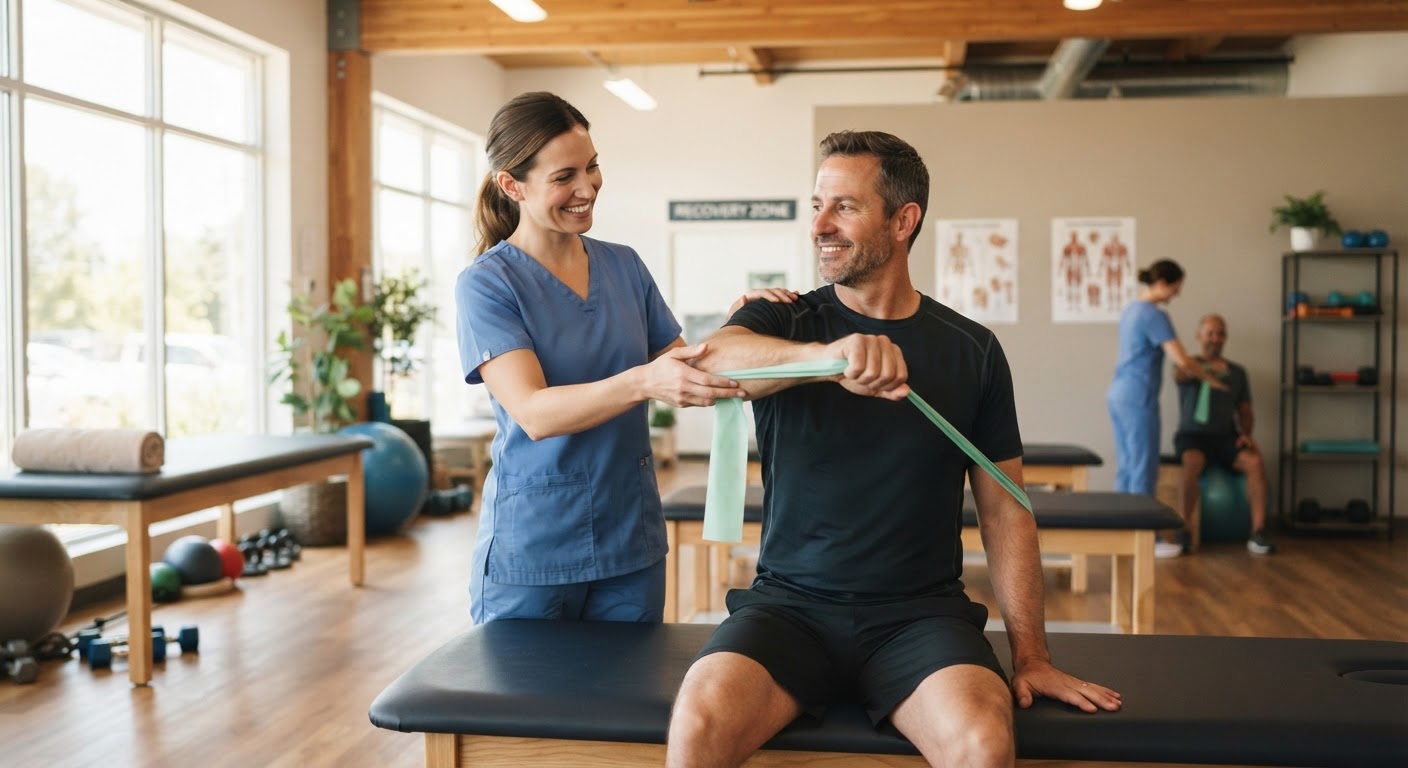
Depending on your needs and your provider’s recommendations, treatment may include gentle mobility exercises, stretching, strengthening, balance activities, movement education, and hands-on techniques. A therapist can also help you practice everyday tasks in a way that supports comfortable, controlled movement. The goal is not to push through pain, but to progress at a pace that is appropriate for your condition.
Potential Benefits Of Rehabilitation
Improved mobility: Soreness and stiffness can make it difficult to turn your head, bend, reach, or walk comfortably. Guided exercises can help you gradually work on range of motion and functional movement.
Strength and endurance: When pain limits activity, muscles may become less conditioned. A progressive exercise plan can help rebuild strength and stamina for tasks such as carrying groceries, climbing stairs, or returning to work.
Pain relief strategies: Physical therapy may help reduce discomfort through individualized exercise, movement coaching, and other appropriate techniques. Your therapist can also discuss ways to adjust activities while you recover. Results vary, and treatment is tailored to your needs.
Confidence with movement: After a collision, it is common to feel cautious about moving. Clear guidance and supervised practice can help you understand which activities are appropriate and how to approach them safely.
A plan for returning to daily life: Rehabilitation can focus on the movements and responsibilities that matter to you, whether that means sitting comfortably, driving when medically cleared, caring for family, or resuming recreation.
Practical Steps You Can Take
Follow the advice of your physician and other healthcare providers, and share any new or worsening symptoms with them. Keep notes about when discomfort occurs, what makes it better or worse, and which activities are affected. This can help your care team understand your progress.
Attend recommended appointments and ask questions if an exercise or instruction is unclear. Practice your home program as directed, but do not add extra repetitions or force a movement because you want to recover faster. Stop and contact your provider if an activity causes sharp, escalating, or unusual symptoms.
Balance activity with rest. Long periods of bed rest may not be right for everyone, while returning too quickly to strenuous activity can aggravate symptoms. Ask your healthcare provider how to modify work, exercise, lifting, or driving during recovery. Follow medical guidance about when it is safe to resume specific activities.
What To Expect From Your First Visit
Your first physical therapy appointment generally includes a conversation about your symptoms and goals, followed by an examination suited to your condition. Wear comfortable clothing that allows you to move. Bring relevant medical instructions or records if available, and tell the therapist about medications, previous injuries, and any symptoms that have changed since the accident.
Your therapist can explain the purpose of recommended treatments and help you understand what to do between visits. Recovery timelines differ from person to person, so progress is measured against your needs and functional goals rather than a one-size-fits-all schedule.
Start Your Recovery With Local Support
If pain, stiffness, or limited movement is making everyday life harder after a collision, ask your healthcare provider whether physical therapy may be appropriate for you. Physical Therapy NOW™ provides rehabilitation support at its Homestead location, with care focused on your individual needs and goals.
Contact or visit Physical Therapy NOW™ in Homestead, FL to ask about getting started. Take the next step toward better movement, practical pain relief strategies, and a more confident return to daily activities.
Ready to start feeling better?
Physical Therapy NOW™ has 40+ Florida locations with same-week appointments. Most insurance, auto accident (PIP), workers' compensation and Medicare accepted.