A car accident can disrupt your life in an instant. Even a collision that seems minor may leave you with soreness, stiffness, limited movement, or pain that develops hours or days later. Getting an appropriate medical evaluation is an important first step. For many people, physical therapy can then play a valuable role in rehabilitation, helping address symptoms and rebuild confidence with everyday movement.
At Physical Therapy NOW™ in Weston, FL, care is tailored to each person’s symptoms, health history, and recovery goals. Understanding what physical therapy may involve can help you make informed decisions about your next steps.
Why Symptoms May Appear Later
After a crash, the body may respond to sudden force with muscle tension, inflammation, or soft-tissue irritation. Adrenaline and the demands of the moment can also make it harder to notice discomfort right away. Neck, back, shoulder, and joint symptoms may become more noticeable as you return to regular activities.
Do not assume that delayed pain is unimportant, and do not try to diagnose an injury on your own. Contact a qualified healthcare provider for an evaluation, especially if symptoms are new, persistent, or getting worse. Seek urgent medical care for serious concerns such as severe or worsening pain, difficulty breathing, weakness, numbness, confusion, or other alarming symptoms.
How Physical Therapy Supports Rehabilitation
Physical therapy begins with an assessment of your movement, strength, flexibility, balance, and reported symptoms. Your therapist can use this information, along with relevant medical guidance, to develop a plan that matches your needs. Treatment may change as your symptoms and abilities change.
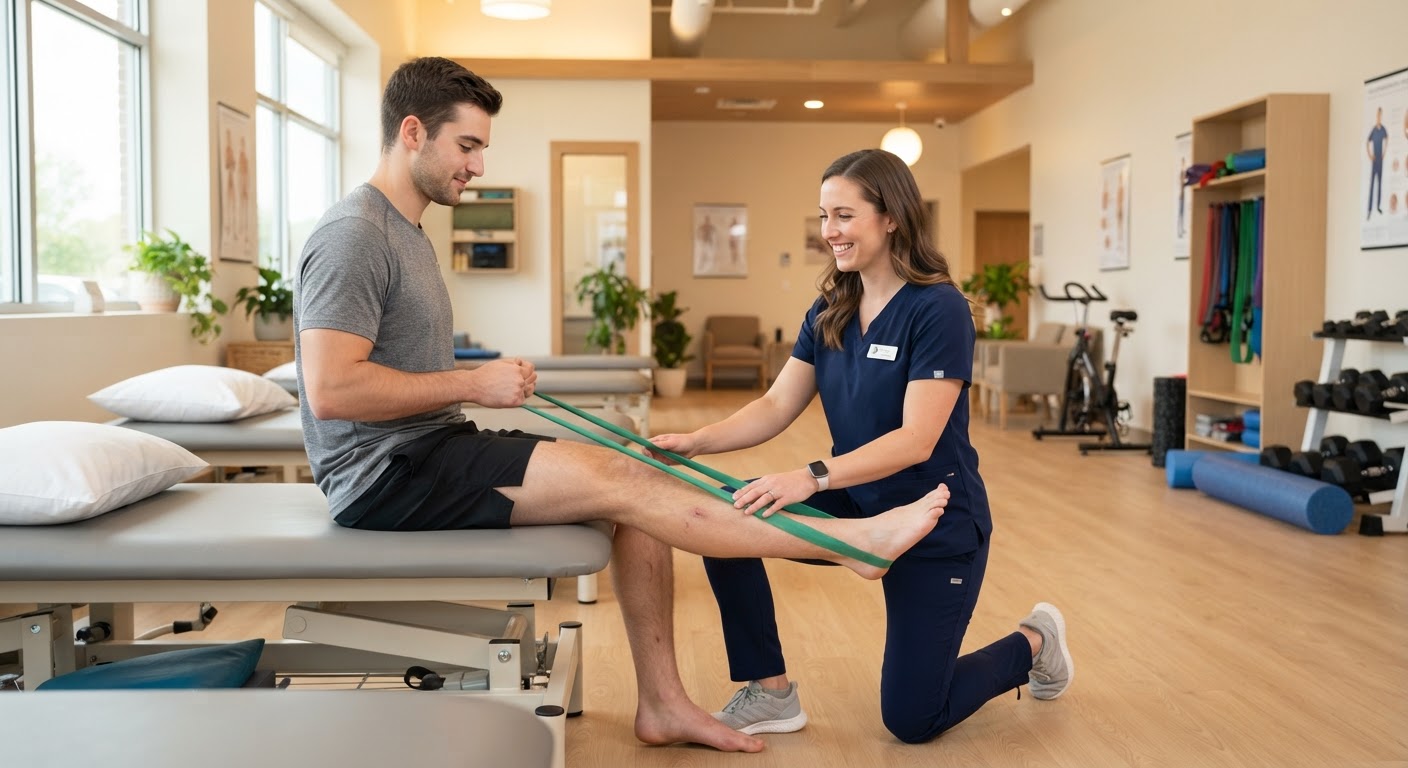
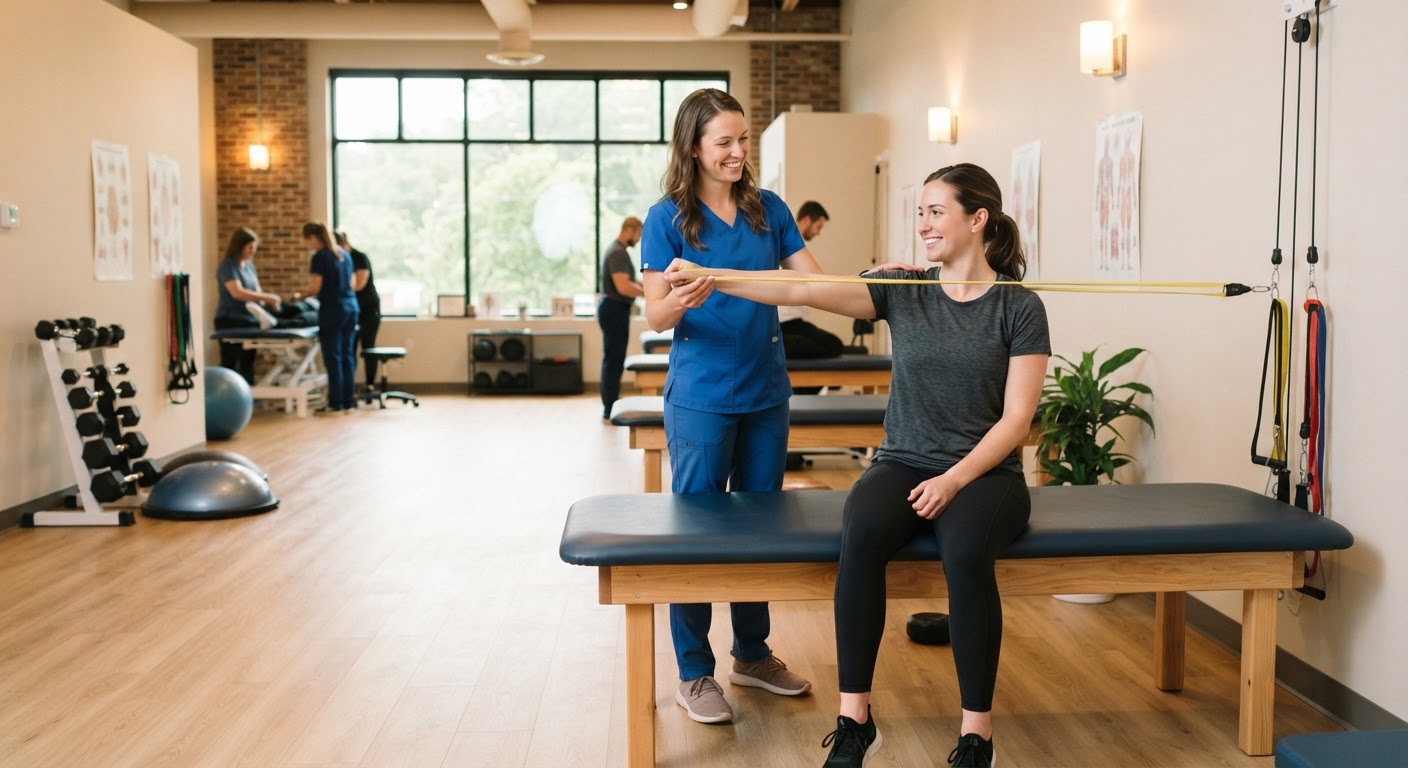
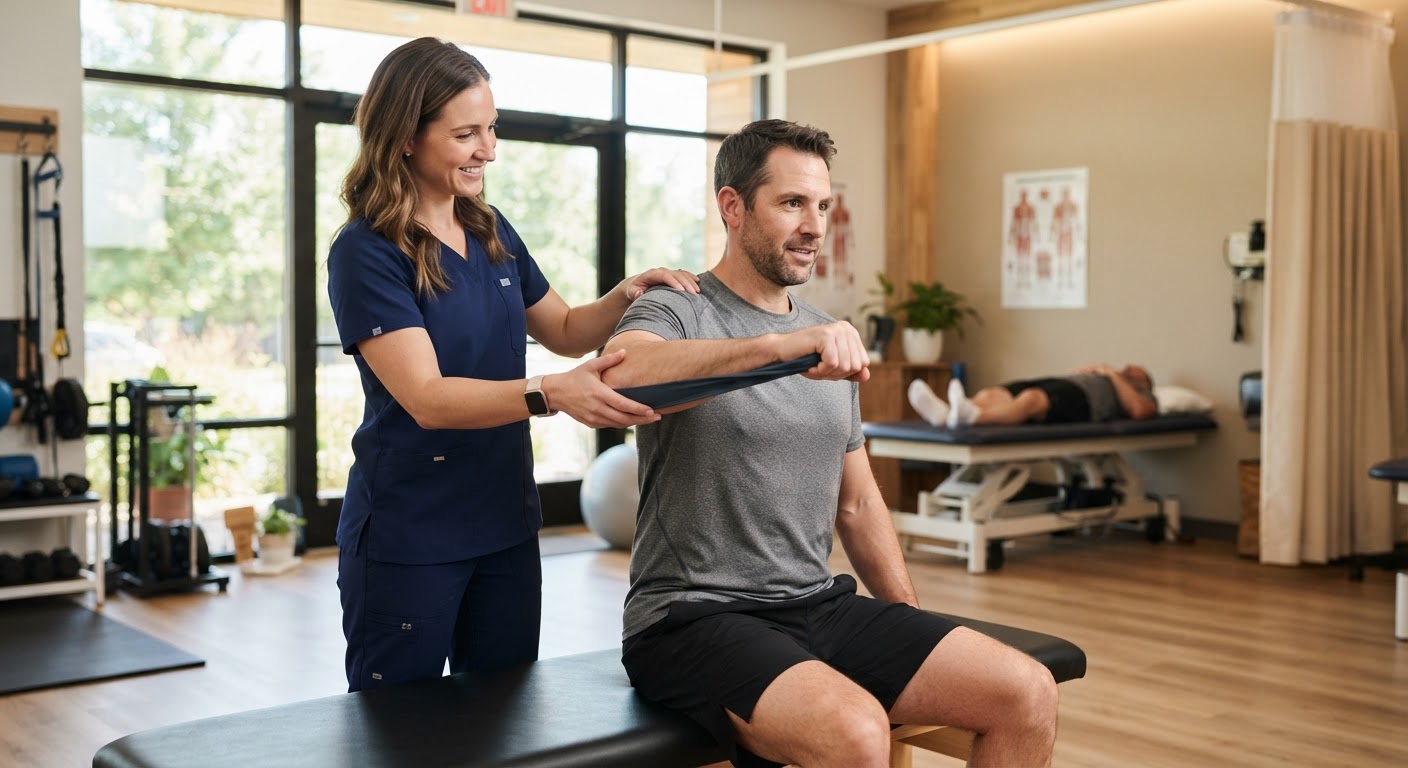
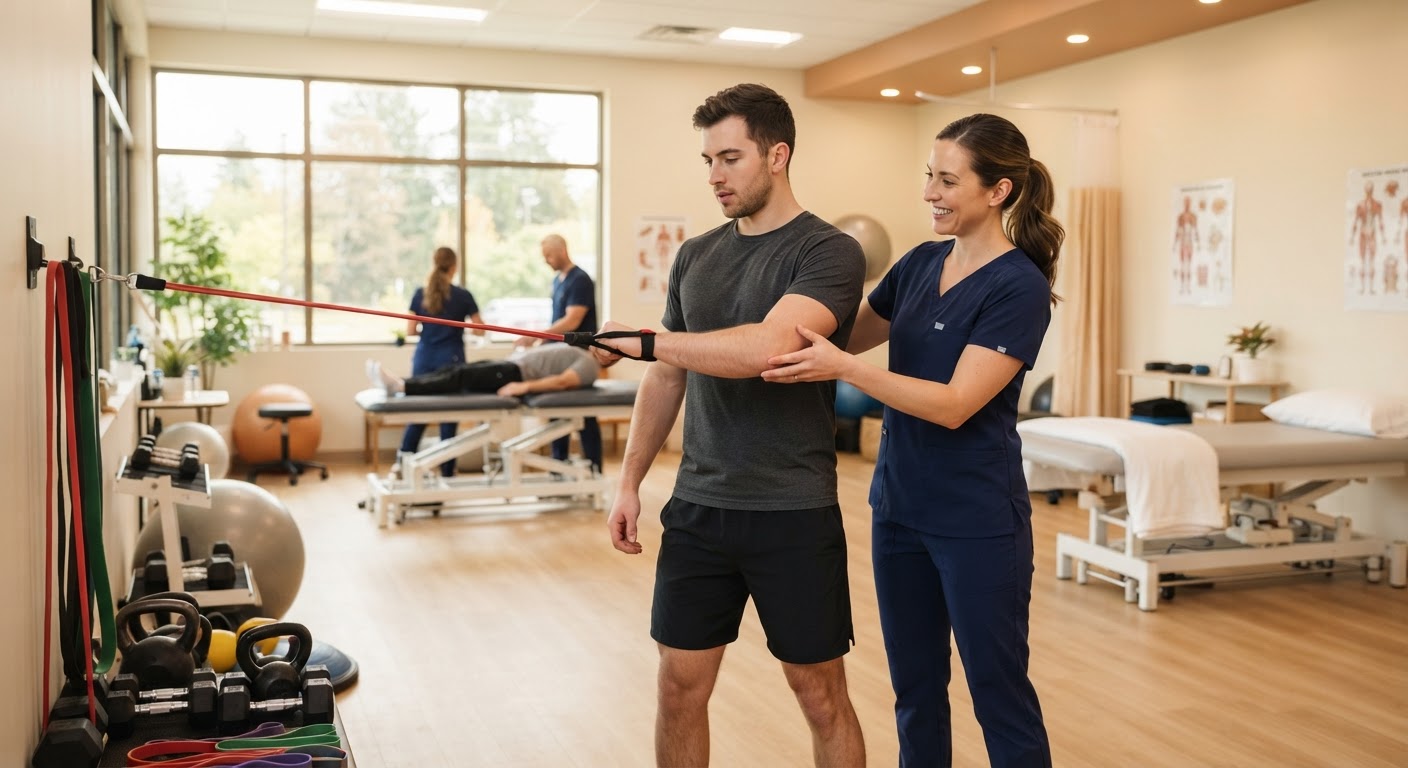
Depending on your evaluation, rehabilitation may include guided movement, gentle mobility work, progressive strengthening, balance activities, or hands-on techniques. Your therapist may also discuss how to modify certain tasks while you recover. The goal is to support safe, functional progress—not to push through pain or use the same routine for everyone.
Potential Benefits Of Physical Therapy
A personalized physical therapy program may offer several benefits after a car accident:
Pain relief strategies. A therapist can help identify movements or positions that aggravate symptoms and recommend appropriate ways to manage them. Treatment may include therapeutic exercise, movement education, or other techniques selected for your situation. Results differ from person to person, and no particular outcome can be guaranteed.
Improved mobility. Stiffness can make it difficult to turn your head, reach overhead, walk comfortably, or complete household tasks. Carefully progressed mobility exercises may help you work toward restoring comfortable movement.
Strength and stability. When pain or reduced activity affects your strength and coordination, daily tasks can feel harder. A gradual exercise plan can help rebuild capacity and support control during activities such as standing, lifting, and walking.
A guided return to activity. Trying to resume work, exercise, or family responsibilities too quickly may increase discomfort. Physical therapy can help you progress in a measured way and adjust activities based on your response.
Practical Tips For The First Days
Follow the instructions of your medical provider. If you have been evaluated, use their recommendations as your guide and ask before starting new exercises or treatments. Avoid strenuous activity that worsens your symptoms, but do not begin prolonged rest or a restrictive routine without professional advice.
Keep a brief symptom record. Note where you feel discomfort, when it occurs, what activities affect it, and whether it is changing. This information can help your healthcare team understand your experience and tailor recommendations.
Make everyday tasks manageable. If an activity is uncomfortable, consider breaking it into smaller steps, changing your position, or taking a short pause. Avoid lifting or movements your provider has advised you to limit. Stop an exercise if it causes sharp, unusual, or significantly increasing symptoms, and contact your healthcare provider for guidance.
Prepare for your appointment by bringing relevant medical information and writing down your questions. Tell your therapist about previous injuries, current medications, work demands, and specific goals, such as sitting comfortably, driving, or returning to a favorite activity.
What To Expect From A Therapy Plan
Your plan may include visits with a physical therapist, a home exercise program, and periodic checks of your progress. The frequency and length of care depend on your needs and the recommendations of your healthcare team. Consistency matters, but exercises should be performed as instructed rather than intensified on your own. Communicate openly if an activity feels too easy, too difficult, or causes symptoms that concern you.
Physical therapy is not a substitute for medical evaluation when one is needed. A therapist can also recommend that you seek additional medical assessment if your symptoms or examination suggest that further care may be appropriate. Coordinating care helps keep your recovery focused on your overall health and function.
Get Support In Weston
Recovering after a collision can feel uncertain, especially when symptoms interfere with work, sleep, or routines. You do not have to guess which movements are appropriate or navigate every step alone. Physical Therapy NOW™ can help you explore a personalized rehabilitation plan and understand how physical therapy may support pain relief and everyday function.
If you are looking for car accident physical therapy in Weston, contact or visit the Weston location to ask about scheduling an evaluation. Call Physical Therapy NOW™ today to discuss your concerns and take a supported first step toward recovery.
Ready to start feeling better?
Physical Therapy NOW™ has 40+ Florida locations with same-week appointments. Most insurance, auto accident (PIP), workers' compensation and Medicare accepted.