A car accident can leave you dealing with soreness, stiffness, limited movement, or pain that appears hours or days after the collision. Even when injuries seem manageable at first, symptoms can affect everyday activities such as driving, working, sleeping, and exercising. Physical therapy can help you address these challenges with a plan tailored to your condition and recovery goals.
At Physical Therapy NOW™ in Fort Lauderdale, FL, rehabilitation begins with understanding how the accident has affected your body. A physical therapist can assess your movement, discuss your symptoms, and recommend next steps based on your needs. If you have been in a collision, learning what physical therapy can offer may help you make informed decisions about your recovery.
Why Symptoms May Appear Later
After an accident, your body may respond to the sudden impact with muscle tension, inflammation, or a protective change in how you move. Adrenaline and the demands of the moment can also make it difficult to notice discomfort right away. Neck or back soreness, headaches, stiffness, and reduced range of motion may become more noticeable later.
Do not assume that a delayed symptom is unimportant. Contact a healthcare professional if new or worsening symptoms develop, and follow medical guidance about evaluation and treatment. Physical therapy is not a substitute for urgent medical care. Seek emergency attention for severe symptoms such as difficulty breathing, loss of consciousness, sudden weakness, or a severe or rapidly worsening headache.
How Physical Therapy Supports Recovery
Physical therapy focuses on helping you move and function as safely as possible. Your therapist may assess posture, flexibility, strength, balance, walking, and the movements that bring on discomfort. The findings help guide a rehabilitation plan that can be adjusted as your symptoms and abilities change.
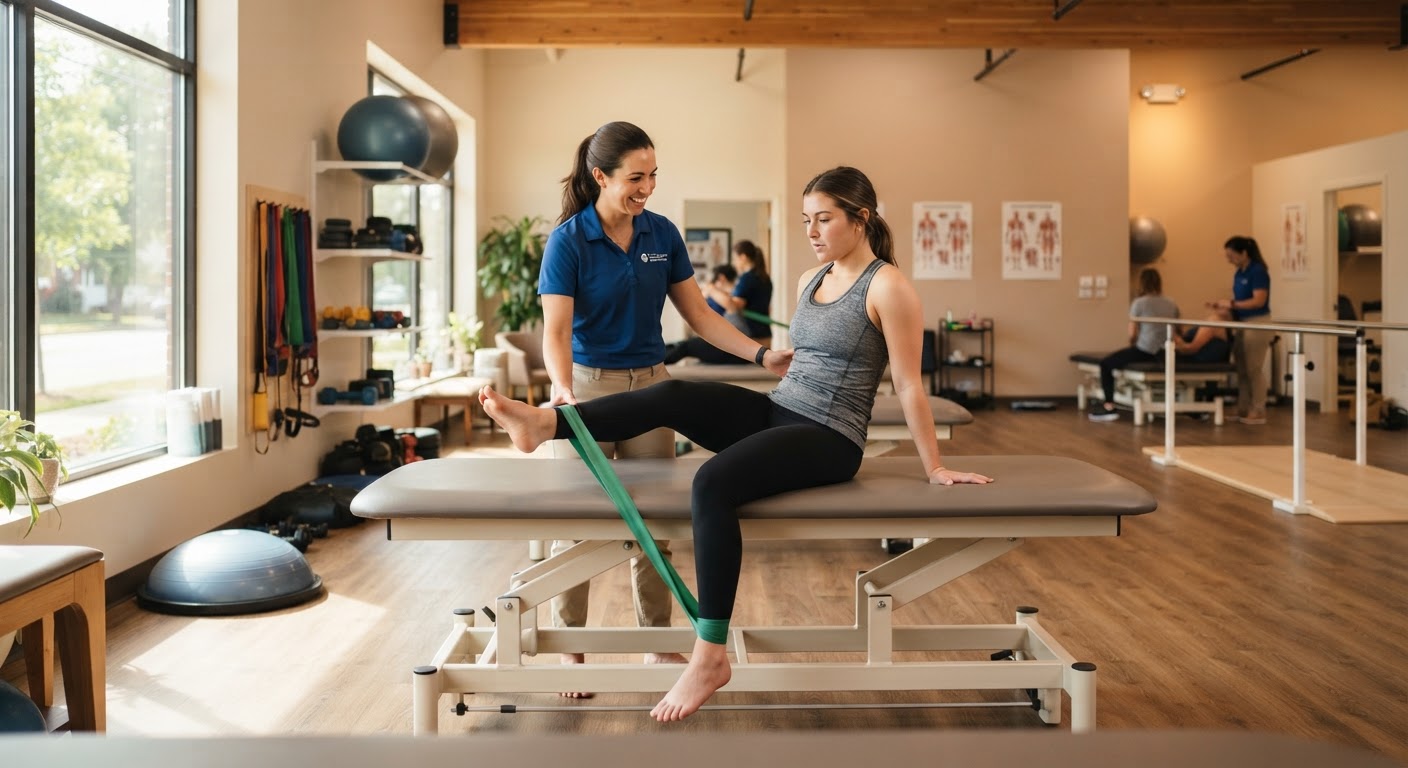
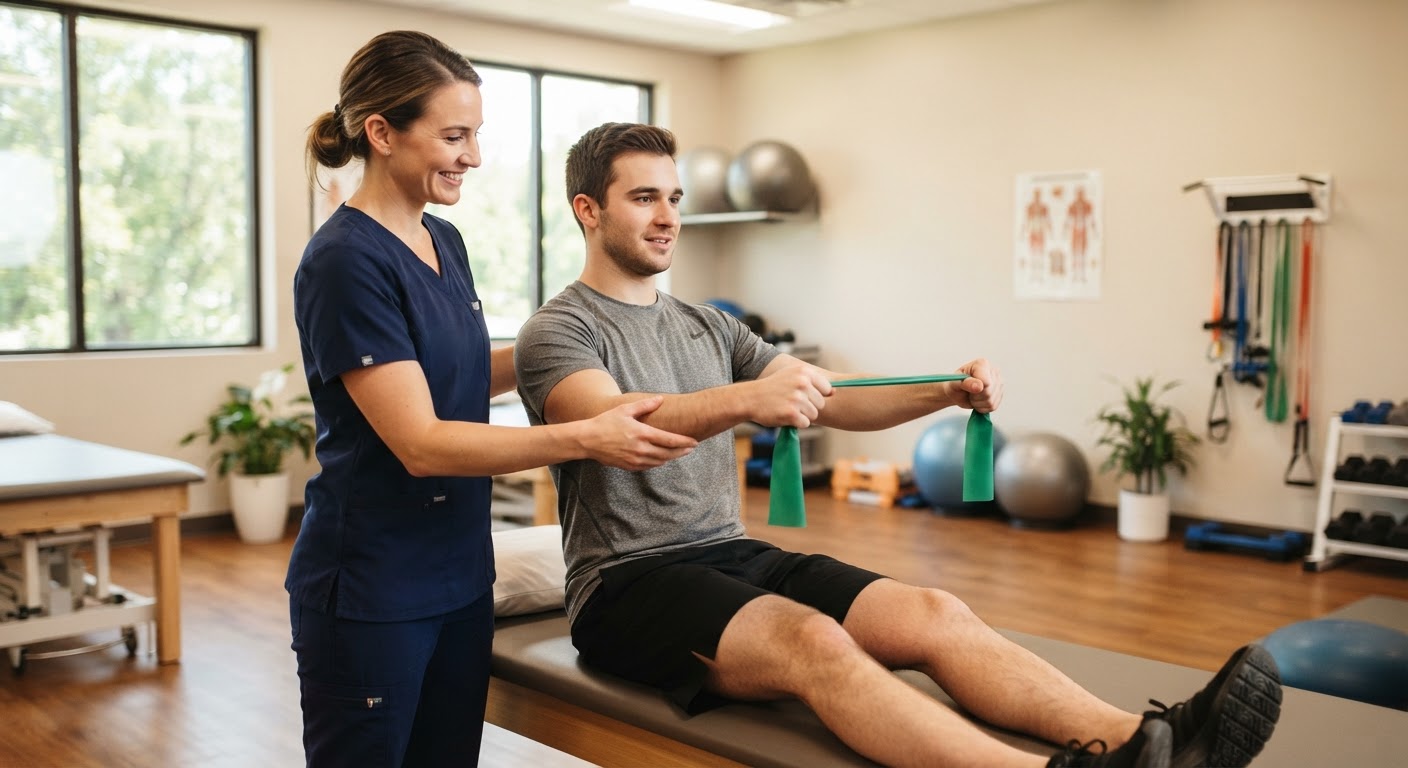
Treatment may include guided therapeutic exercise, gentle mobility work, balance or coordination activities, and education about positioning and movement. A therapist may also use hands-on techniques when appropriate. The exact approach depends on your injury, medical history, comfort, and any recommendations from your other healthcare providers.
The goal is not simply to get through a session. A useful plan connects treatment to daily activities, such as turning your head to check traffic, lifting household items, returning to work, or sitting comfortably during a commute. Your therapist can help you build toward these tasks at a pace suited to your progress.
Potential Benefits For Pain And Movement
Pain relief is an important concern after a collision, but recovery can involve more than reducing discomfort. Pain may lead you to avoid movement or use an awkward posture, which can make routine tasks harder. A physical therapist can help identify movements that are appropriate and show you ways to gradually restore mobility and confidence.
Individualized exercise may support strength, flexibility, coordination, and tolerance for activity. Learning how to move comfortably and safely can also make it easier to return to important routines. Progress varies from person to person, and no treatment can guarantee a particular result. Your therapist can review what is improving and modify your program when needed.
What To Expect At Your First Visit
Your first appointment typically includes a conversation about the accident, your symptoms, relevant health history, and the activities you want to resume. The therapist may ask when symptoms began, what makes them better or worse, and how they affect sleep, work, or daily movement. An assessment may include observing posture and movement and checking range of motion or strength, as appropriate.
Share any changes in your condition and bring relevant medical instructions or records if you have them. Tell your therapist about concerns, including movements that feel uncomfortable. This information can help the care team make the plan more relevant to you. At Physical Therapy NOW™, the Fort Lauderdale location can discuss your concerns and help you understand possible next steps for care.
Practical Tips Between Appointments
Follow the plan provided by your healthcare professional rather than trying to push through pain or copy exercises from someone else. Ask your therapist to demonstrate each exercise and explain how often to do it. Let them know if an activity causes new, sharp, or increasing symptoms so they can advise you about appropriate adjustments.
Take brief movement breaks if you have been sitting for a long time, and use comfortable positions that do not aggravate your symptoms. Ease back into household tasks and exercise instead of suddenly returning to your pre-accident routine. Keep track of changes in pain, stiffness, sleep, and function; notes can help you describe your progress at your next visit.
If symptoms change significantly or you develop new concerns, contact your healthcare provider. Recovery is not always a straight line, so clear communication helps your care team respond to what you are experiencing.
Choosing A Personalized Rehabilitation Plan
There is no single recovery timeline or exercise program that fits every person after a car accident. The right approach depends on the nature of your injuries, your overall health, your daily responsibilities, and how your body responds to care. Consistent communication and reasonable goals can help you stay engaged without expecting immediate results.
Physical therapy can be one part of a broader recovery plan. Your physical therapist may coordinate recommendations with your physician or other providers when needed. Ask questions about your goals, how to perform your home program, and when to follow up if symptoms are not improving.
Take The Next Step In Fort Lauderdale
If pain, stiffness, or limited movement is making daily life more difficult after a car accident, consider discussing physical therapy with a qualified healthcare professional. Personalized rehabilitation may help you work toward improved movement, practical pain relief strategies, and a more confident return to your usual activities.
Visit or call Physical Therapy NOW™ at the Fort Lauderdale location to discuss your concerns and ask about scheduling an evaluation. Taking the first step can help you better understand your options and begin a recovery plan designed around your needs.
Ready to start feeling better?
Physical Therapy NOW™ has 40+ Florida locations with same-week appointments. Most insurance, auto accident (PIP), workers' compensation and Medicare accepted.