Benefits of Physical Therapy After a Car Accident
A car accident can affect your body in ways that are not always obvious right away. Soreness, stiffness, headaches, or difficulty moving may develop hours or days after a collision. Even when injuries seem minor, getting appropriate medical guidance and planning for recovery can help you address symptoms early and safely.
Physical therapy can be an important part of rehabilitation after an accident. A licensed physical therapist evaluates how your body moves, helps you work toward pain relief, and creates a plan based on your needs and recovery goals. At Physical Therapy NOW™ in Hialeah, FL, care is focused on helping people regain function and return to everyday activities with confidence.
Why Symptoms May Appear Later
During a collision, the body may be jolted or forced into an unfamiliar position. Muscles and joints can become irritated, and normal movement may feel uncomfortable afterward. Adrenaline and the stress of the event can also make it harder to notice symptoms at first.
Pay attention to changes in how you feel during the hours and days after an accident. Neck or back discomfort, reduced range of motion, muscle tenderness, and difficulty with routine tasks are reasons to consult a healthcare professional. Seek urgent medical care for severe or worsening symptoms, including trouble breathing, significant weakness or numbness, confusion, or a severe headache. Physical therapy is not a substitute for emergency care or an initial medical evaluation when one is needed.
How Physical Therapy Supports Recovery
A physical therapist starts by learning about your symptoms, health history, daily activities, and goals. The evaluation may include observing posture and movement, checking flexibility and strength, and identifying activities that increase discomfort. This information helps guide a personalized rehabilitation plan rather than relying on a one-size-fits-all approach.
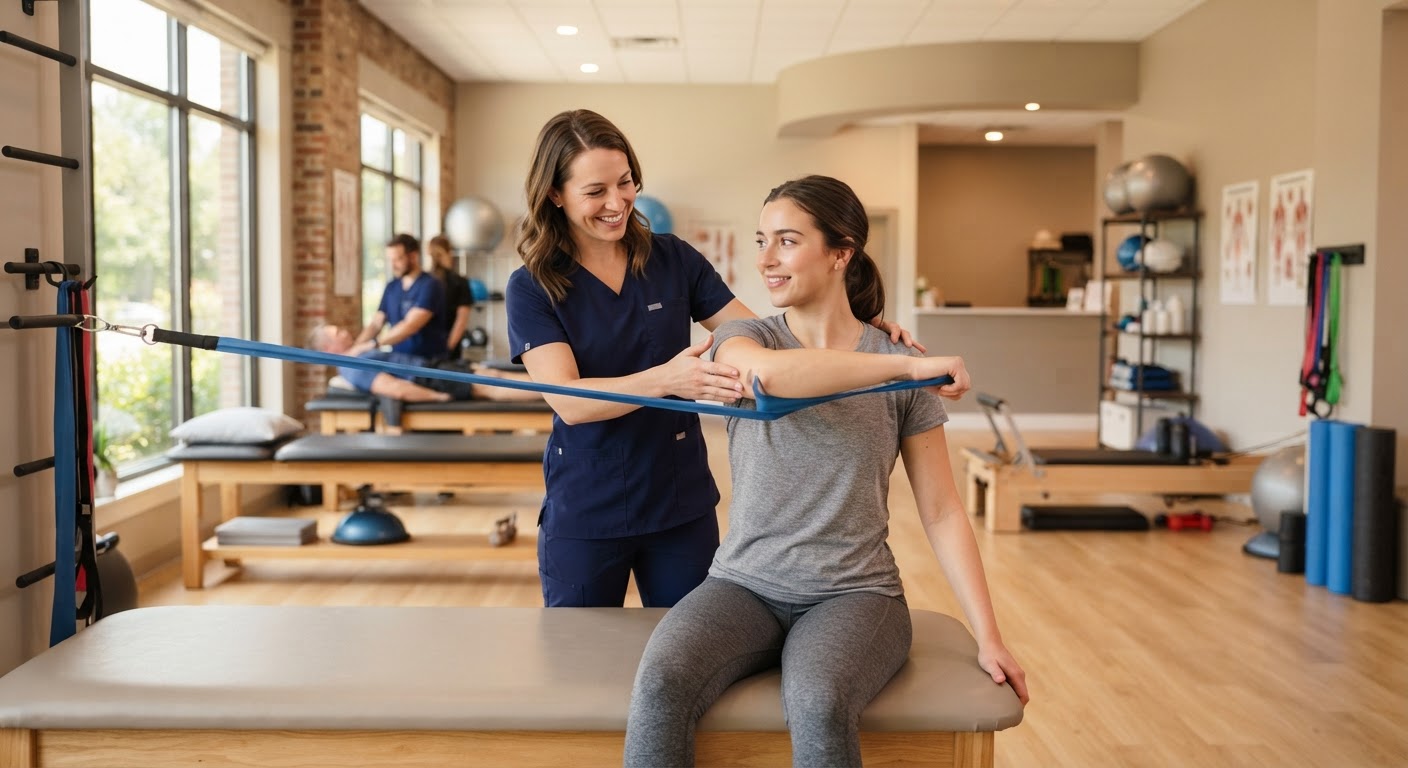
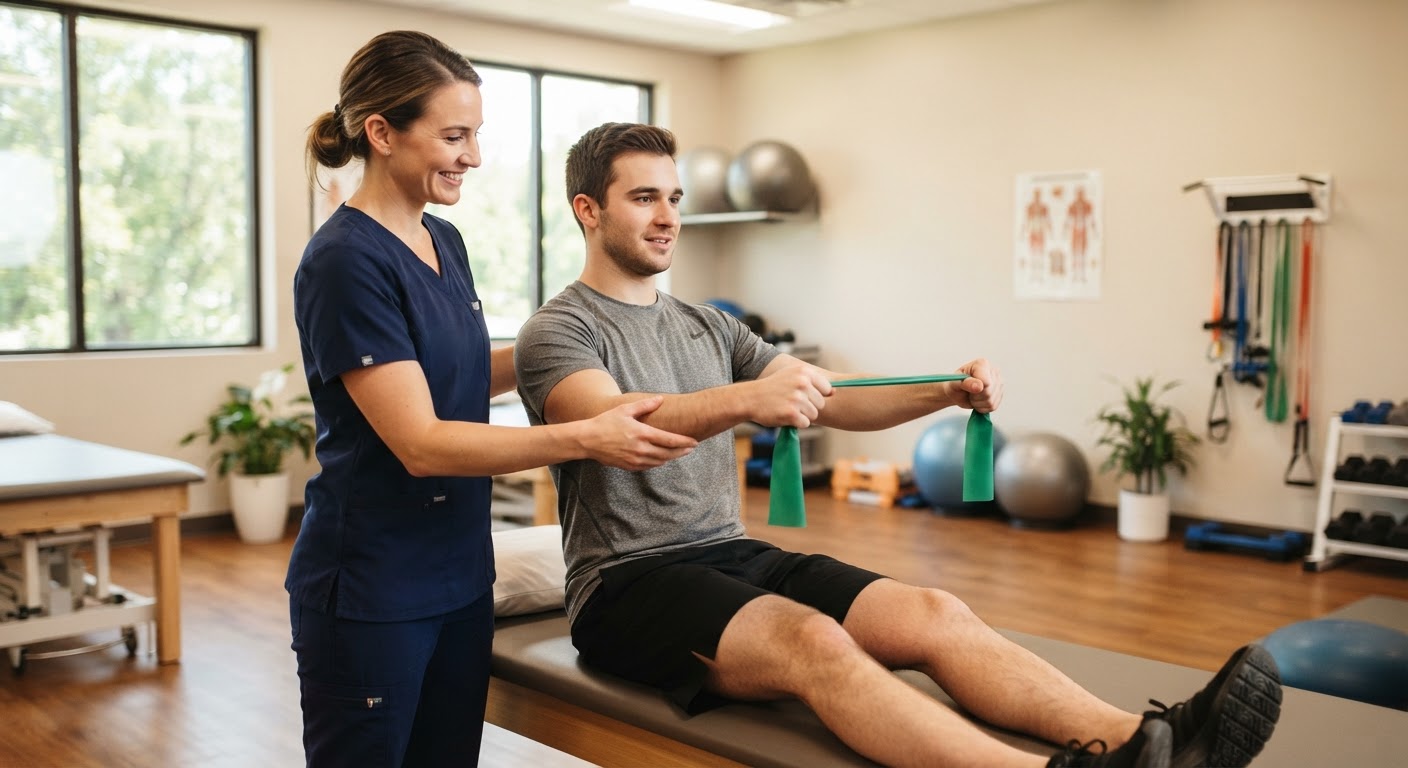
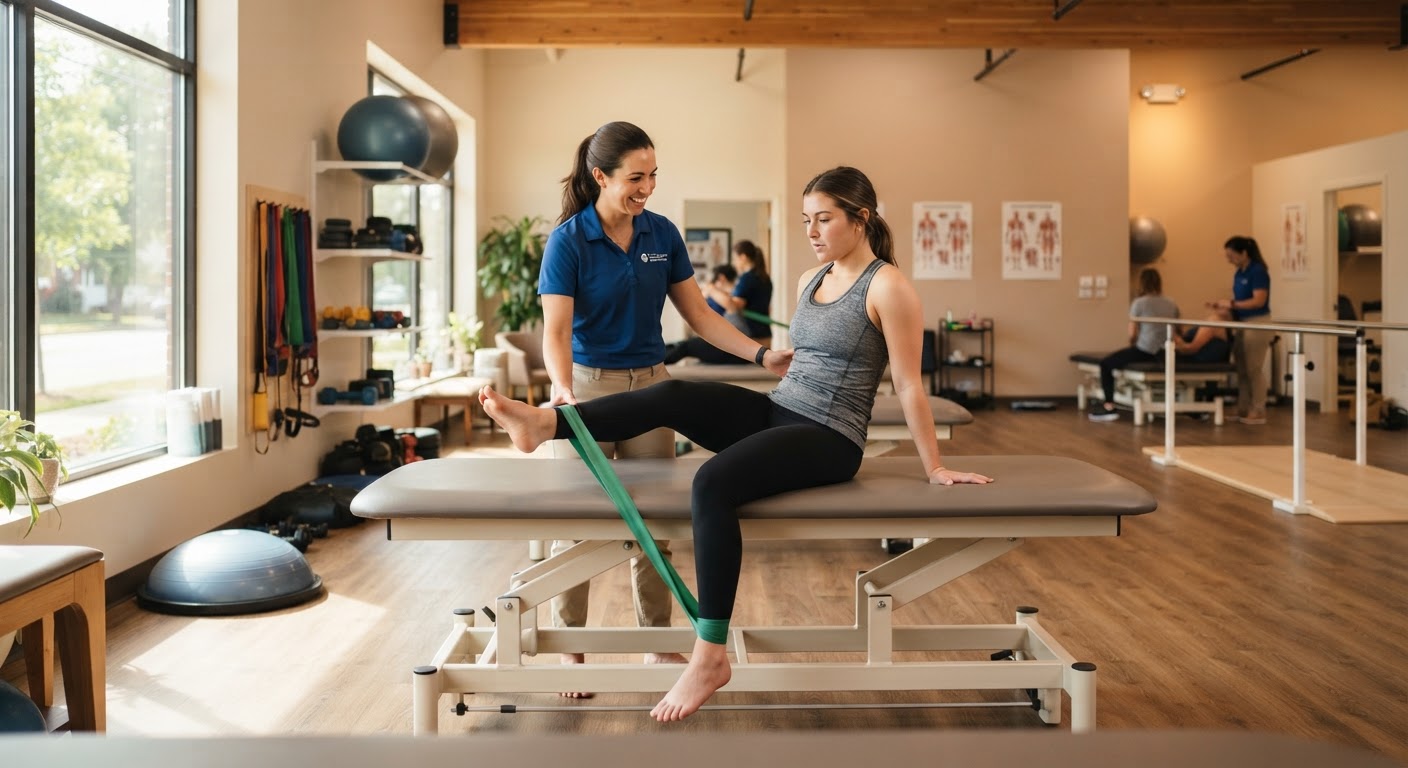
Depending on your condition and the therapist’s findings, your plan may include gentle mobility work, strengthening exercises, movement training, and guidance for managing symptoms. Treatment progresses as your tolerance and function improve. Your therapist can adjust exercises if pain increases or recovery changes, and may coordinate with your referring healthcare provider when appropriate.
The goal is not simply to get through a session. It is to build the strength, movement, and practical skills that support daily life, whether that means sitting comfortably, returning to work, or completing household tasks.
Potential Benefits After an Accident
A tailored physical therapy program may help reduce stiffness and improve flexibility. Carefully selected exercises can help restore comfortable movement in areas affected by the collision. Improving mobility may make activities such as turning your head, reaching, walking, or getting dressed easier over time.
Rehabilitation can also help rebuild strength and endurance. If pain or reduced activity has made it difficult to use certain muscles, gradual strengthening may support better movement and stability. A physical therapist can teach you how to progress safely and avoid doing too much too soon.
Another benefit is learning practical strategies for managing symptoms. Your therapist may recommend ways to modify an activity, take movement breaks, or use an exercise routine at home. Education about pacing and body mechanics can help you stay involved in your recovery and recognize when an activity needs adjustment.
What to Expect From a Treatment Plan
Recovery looks different for everyone. The type of collision, your symptoms, overall health, and the demands of your daily routine can all affect your plan. Some people focus on improving neck or back movement, while others need help with balance, strength, or walking. Your therapist should explain the purpose of recommended activities and how progress will be reviewed.
Be open about what you are experiencing. Share which movements bring on symptoms, what has become harder to do, and what you hope to return to. Tell your therapist if an exercise causes a concerning increase in pain, dizziness, or other new symptoms. Clear communication helps the care team make appropriate changes and determine whether additional medical guidance is needed.
Practical Tips Between Visits
Follow the guidance of your healthcare provider and physical therapist, especially during the early stages of recovery. Avoid starting a strenuous exercise routine or trying to push through significant pain without professional advice. Gentle movement may be appropriate for some people, but the right activities depend on your injury and symptoms.
Keep track of changes in your comfort and function. You might note which activities feel easier, which ones remain difficult, and whether symptoms vary during the day. Use this information to guide conversations with your care team.
If you receive home exercises, follow the instructions you were given and ask for clarification if you are unsure about technique or frequency. Make manageable adjustments to demanding tasks, such as taking breaks during prolonged sitting or dividing heavier chores into smaller steps. These strategies are not a replacement for treatment, but they can help you apply what you learn during rehabilitation.
Choosing Local Support in Hialeah
Access to care close to home can make it easier to stay consistent with appointments and follow through on a treatment plan. Physical Therapy NOW™ serves the community at its Hialeah location, where you can discuss your recovery concerns and learn whether physical therapy may be appropriate for your needs.
Before your first visit, consider bringing information about your accident, any medical evaluation you have received, a list of medications, and questions about your goals. Be sure to mention any changes in symptoms since the collision. Your care team can use this context to better understand your situation and discuss next steps.
Take the Next Step Toward Recovery
You do not have to guess which movements are safe or how to rebuild your activity after a car accident. With professional guidance, physical therapy may support pain relief, improve mobility, and help you work toward the activities that matter to you.
Contact or visit Physical Therapy NOW™ at the Hialeah location in Hialeah, FL to ask about getting started. Reach out today to discuss your symptoms and take a practical next step toward recovery.
Ready to start feeling better?
Physical Therapy NOW™ has 40+ Florida locations with same-week appointments. Most insurance, auto accident (PIP), workers' compensation and Medicare accepted.