Benefits of Physical Therapy After a Car Accident
A car accident can affect your body in ways that are not always obvious right away. Stiffness, soreness, or limited movement may develop hours or days after a collision, even when you felt mostly fine at the scene. Physical therapy can help you address these changes, rebuild strength, and return to everyday activities with a personalized rehabilitation plan.
At Physical Therapy NOW™, care is focused on understanding your symptoms, goals, and day-to-day needs. If you have been in an accident, knowing what to expect from physical therapy can help you take practical steps toward recovery.
Why Symptoms May Appear Later
The force of a collision can strain muscles and other soft tissues, irritate joints, or affect how you move. Neck and back discomfort, headaches, shoulder pain, and stiffness are among the symptoms people may notice after an accident. Symptoms can vary from person to person, and pain does not always reflect the full extent of an injury.
Seek medical care promptly after an accident, especially if you have severe or worsening pain, numbness, weakness, confusion, difficulty breathing, or other concerning symptoms. Physical therapy does not replace emergency care or a medical evaluation. A healthcare professional can help determine whether physical therapy is appropriate and when to begin.
How Physical Therapy Supports Recovery
A physical therapist evaluates your movement, strength, flexibility, balance, and symptoms. They may also ask how your discomfort affects activities such as driving, working, sleeping, or lifting. This assessment helps shape a plan around your needs rather than relying on a one-size-fits-all routine.
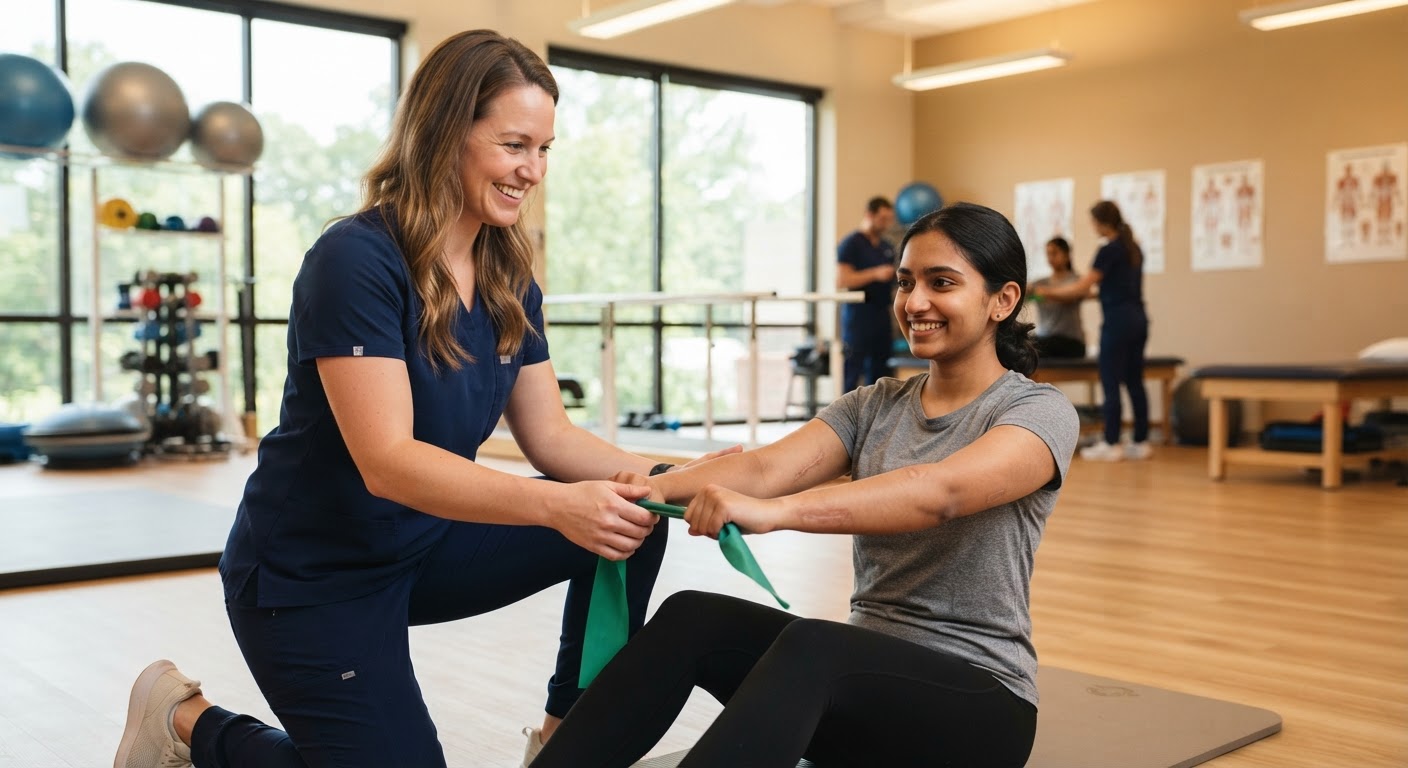
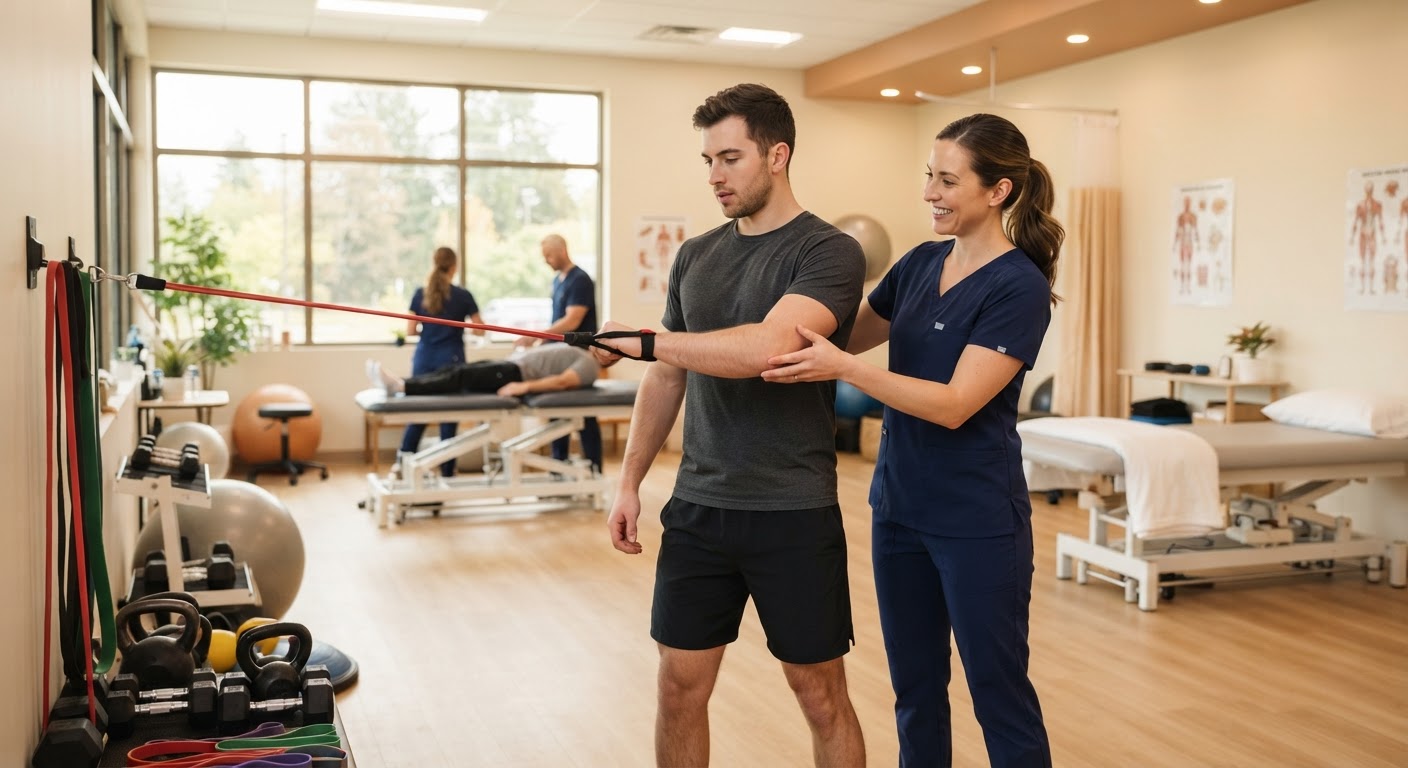
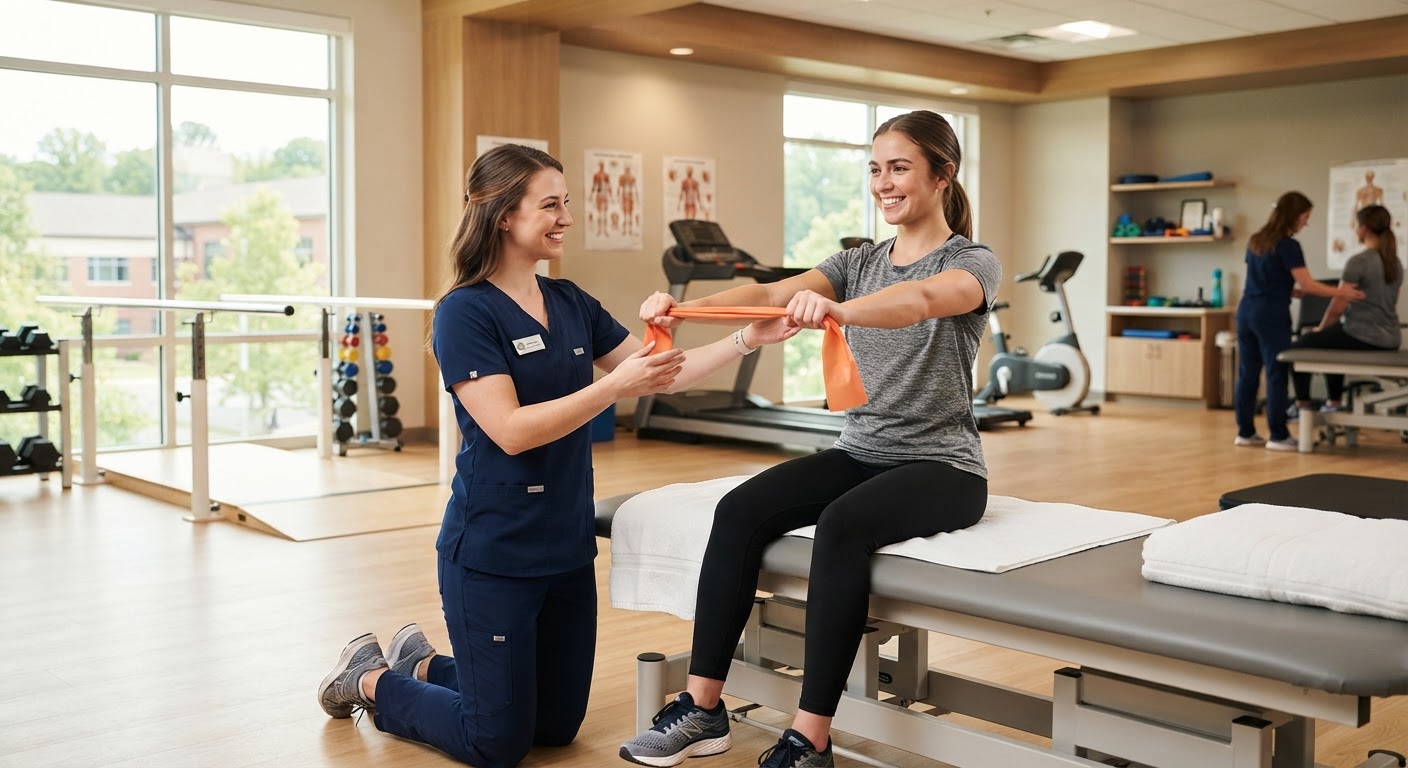
Treatment may include guided exercises, mobility work, hands-on techniques when appropriate, and education about posture and movement. Your therapist can adjust the plan as your symptoms and abilities change. The aim is to help you move more comfortably and confidently while building capacity for daily tasks.
Physical therapy can also help you recognize which movements are appropriate during recovery. Some activity may be beneficial, while pushing through sharp or escalating pain may not be. Your therapist can give you guidance based on your evaluation and coordinate with your medical team when needed.
Potential Benefits After a Collision
Support for pain relief. A tailored program may address areas of stiffness, muscle tension, or limited mobility that contribute to discomfort. Your therapist can recommend strategies for managing symptoms and progressing activity safely. Results differ between individuals, and progress may take time.
Improved range of motion. After an accident, guarding or avoiding movement can make everyday tasks feel difficult. Gradual mobility exercises can help restore comfortable movement in areas such as the neck, shoulders, or back, depending on your condition and care plan.
Strength and stability. When pain limits activity, muscles may become weaker or less coordinated. Progressive strengthening can help you regain support for routine movements such as standing, reaching, and carrying. Exercises should be selected and advanced with your symptoms and abilities in mind.
Better movement habits. Physical therapy can help you practice safer ways to sit, stand, bend, and return to work or recreation. These skills may make daily activities feel more manageable as you recover.
A structured rehabilitation plan. Recovery can feel uncertain when you are not sure what to do next. A therapist can set practical goals, check your progress, and modify treatment when needed. A clear plan can help you stay engaged without expecting every person to recover on the same timeline.
What To Expect At Your First Visit
Bring any relevant medical information, details about the accident, and a list of symptoms or questions. Be ready to describe when symptoms began, what makes them better or worse, and which activities are difficult. Tell your therapist about any changes since your medical evaluation, as well as previous injuries or health conditions that may affect your care.
Your therapist may ask you to perform simple movements or activities to understand how your body is functioning. Wear comfortable clothing that allows you to move. You can also discuss your goals, such as turning your head more easily while driving, returning to work, or sleeping with less discomfort.
Practical Tips Between Appointments
Follow the plan provided by your healthcare team, and ask before starting exercises you find online. A routine designed for someone else may not suit your injury or stage of recovery. If an exercise causes sharp, increasing, or unusual symptoms, stop and contact your therapist for guidance.
Keep a brief record of your symptoms and activity. Note what you did, how you felt afterward, and whether anything changed the next day. This information can help your therapist make useful adjustments. Balance activity with rest, and avoid remaining in one position for long periods if it increases stiffness. When returning to driving, work, or exercise, follow medical guidance and increase demands gradually.
Choosing Local Support
If you are looking for car accident rehabilitation in North Miami Beach, consistent communication with your care team can make the process easier to navigate. Physical Therapy NOW™ provides physical therapy at its North Miami Beach location, where care can be planned around your symptoms and recovery goals. Ask questions about your evaluation, treatment options, home program, and how progress will be reviewed.
Take The Next Step Toward Recovery
You do not have to guess your way through recovery after a collision. A physical therapy evaluation can help clarify your movement needs and identify appropriate next steps. Contact or visit the North Miami Beach location of Physical Therapy NOW™ to discuss scheduling and learn how an individualized rehabilitation plan may support pain relief and a safe return to daily activities.
Ready to start feeling better?
Physical Therapy NOW™ has 40+ Florida locations with same-week appointments. Most insurance, auto accident (PIP), workers' compensation and Medicare accepted.