Benefits of Physical Therapy After a Car Accident
A car accident can leave you dealing with soreness, stiffness, reduced movement, or pain that makes everyday tasks more difficult. Even when injuries seem minor at first, symptoms may become more noticeable over the next few days. Physical therapy can help you address these challenges with a personalized plan focused on movement, function, and recovery.
At Physical Therapy NOW™ in Coral Gables, FL, care begins with understanding your symptoms, health history, and goals. A physical therapist can assess how the accident has affected your movement and recommend rehabilitation steps suited to your needs. The right plan depends on your condition and should be coordinated with your medical provider when appropriate.
How an Accident Can Affect Your Body
The forces involved in a collision can strain muscles and other soft tissues, irritate joints, or affect how comfortably you move. Some people notice neck or back discomfort, headaches, shoulder pain, or difficulty turning, bending, and lifting. Others feel generally stiff or find that walking, working, or sleeping is harder than usual.
Symptoms vary from person to person, and pain is not always a reliable measure of the extent of an injury. A healthcare professional can help evaluate your symptoms and determine whether additional medical assessment is needed. Physical therapy may be one part of a broader recovery plan.
Support Pain Relief and Comfortable Movement
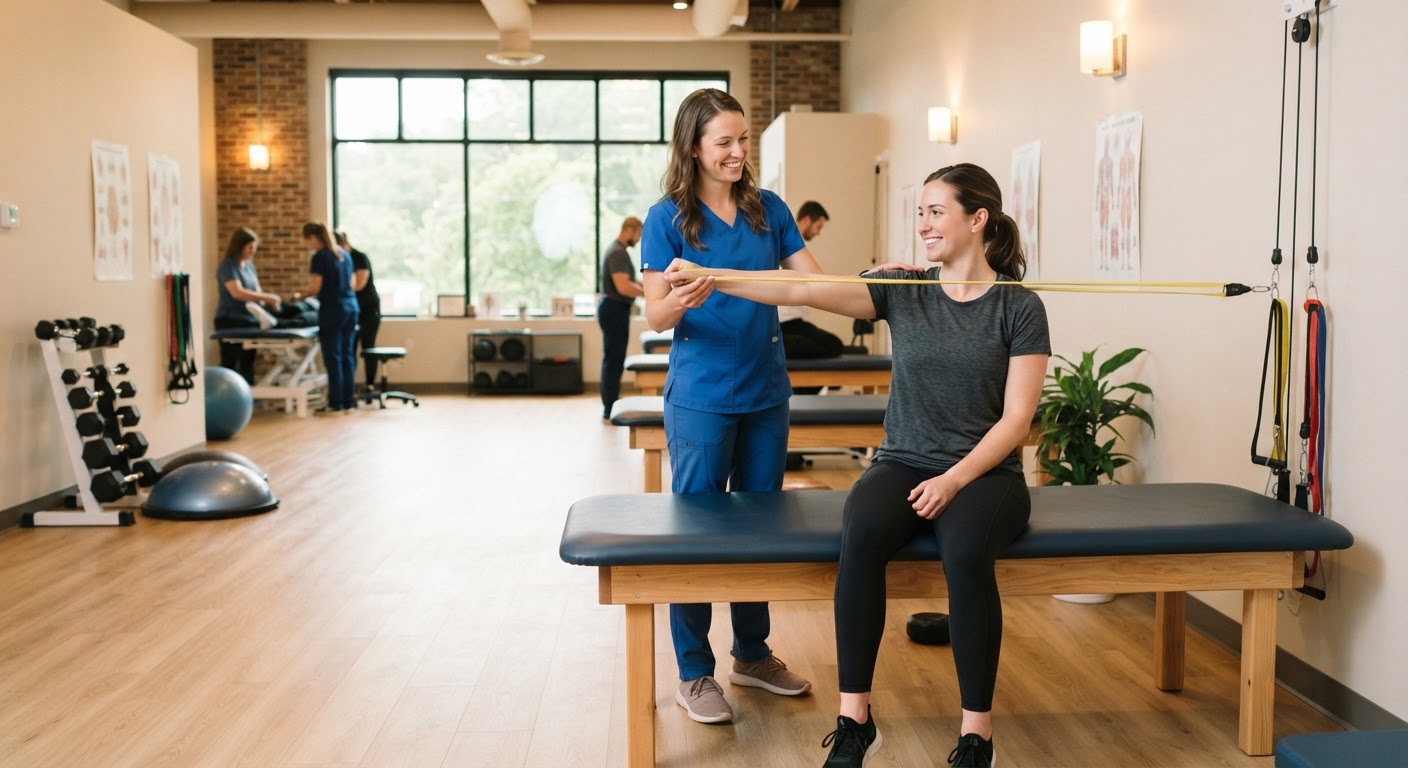
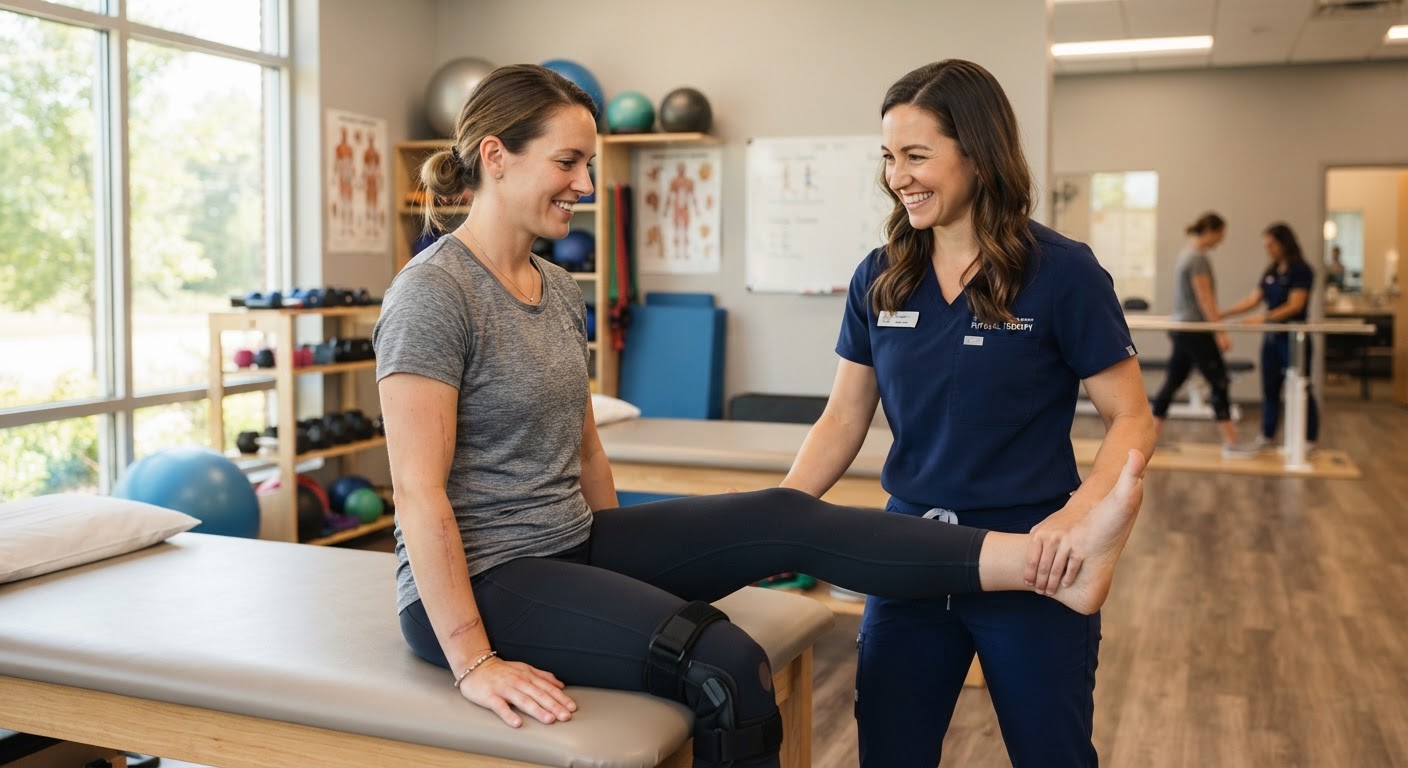
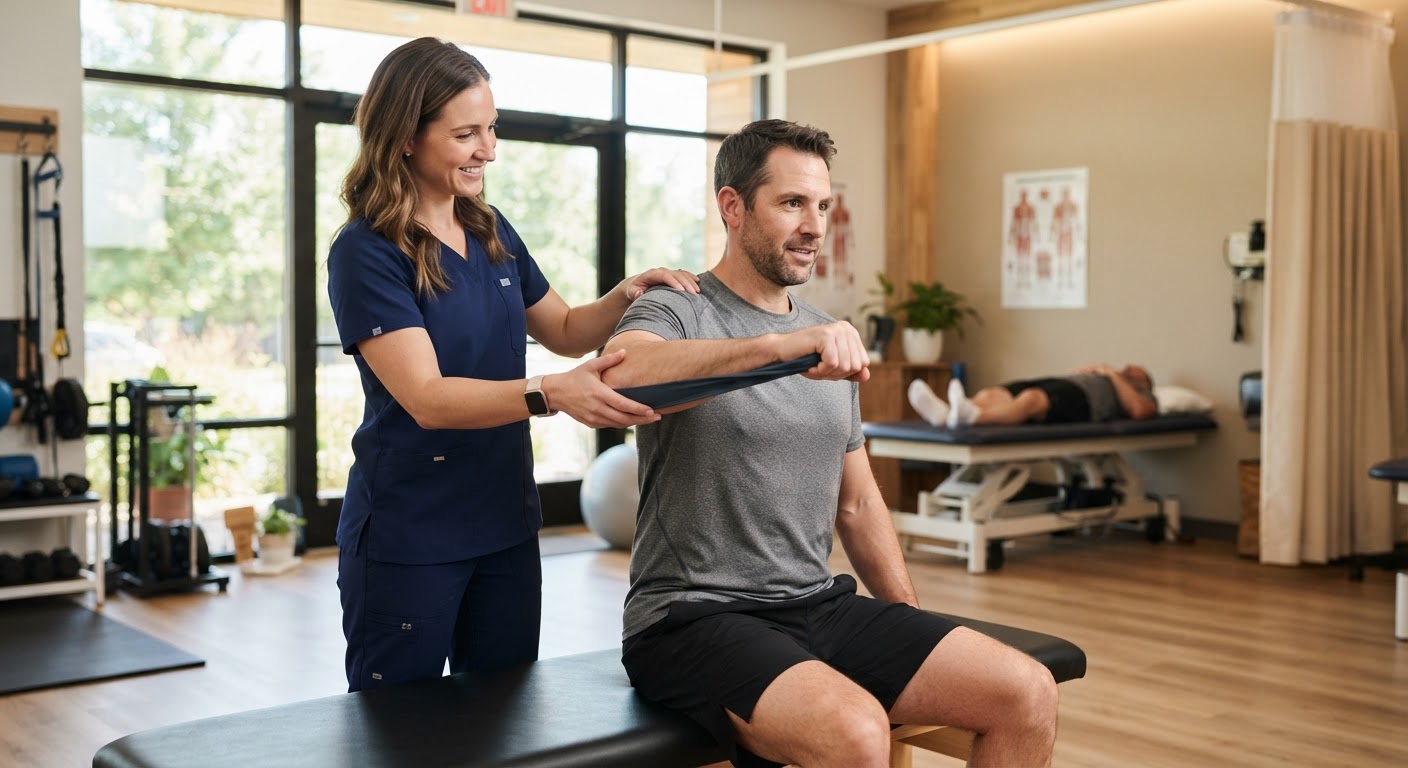
A physical therapist can identify movements or activities that aggravate your symptoms and help you find safer ways to move while you recover. Depending on your evaluation, treatment may include guided exercises, mobility work, hands-on techniques, or education about managing daily activities. The approach is adjusted to your response rather than relying on a one-size-fits-all routine.
The goal is not simply to mask discomfort. A thoughtful rehabilitation plan works to improve movement and function while helping you build confidence in using the affected areas. Your therapist can also discuss pacing, rest, and gradual activity so you can avoid doing too much too soon.
Restore Strength, Flexibility, and Function
After an accident, stiffness or reduced activity can make it harder to maintain strength and flexibility. When appropriate, a therapist may introduce exercises to improve range of motion, coordination, and strength. These exercises can progress as your tolerance improves.
Rebuilding these abilities can make practical tasks more manageable, such as reaching overhead, sitting comfortably, walking, or returning to work. Your therapist can tailor the program to the demands of your routine, whether that means caring for family, commuting, exercising, or completing household activities.
Create a Structured Rehabilitation Plan
Recovery can feel uncertain when you are not sure which activities are helpful or when to increase them. Physical therapy provides a structured way to monitor progress and adjust your plan. Your therapist can explain what each exercise is intended to do, how often to practice it, and what symptoms to watch for.
Progress may not be perfectly linear. Some days may feel easier than others, and your plan may need to change as symptoms evolve. Share any changes with your care team, including new pain, increased stiffness, or difficulty with exercises. Open communication helps your therapist make informed adjustments.
Learn Strategies for Everyday Activities
Small changes in how you move can make daily life more comfortable during recovery. Your physical therapist may offer guidance on posture, lifting mechanics, workstation setup, or ways to break up long periods of sitting. Advice should be specific to your symptoms and activities, rather than a substitute for an individualized assessment.
Practical Tips While You Recover
Follow the recommendations of your healthcare providers and attend scheduled appointments. If you have been advised to begin physical therapy, ask what to expect at your first visit and what information to bring.
Keep a brief record of your symptoms, including when they occur and which activities affect them. This can help you explain changes to your therapist. Use only exercises that have been recommended for you, and stop an activity if it causes a concerning increase in symptoms. Ask your therapist how to modify it before trying again.
Return to activities gradually. Avoid testing your limits by suddenly resuming strenuous exercise or heavy lifting. Instead, ask your care team how to increase activity safely. If you have questions about pain relief options or medication, consult a qualified medical professional.
Know When to Seek Medical Attention
Physical therapy is not a replacement for urgent medical care. Seek emergency help for severe or rapidly worsening symptoms, difficulty breathing, fainting, confusion, new weakness or numbness, or other symptoms that feel alarming. After an accident, contact a healthcare professional for an evaluation if you have persistent pain or concerns, even if symptoms appeared mild initially.
Start Your Recovery With a Clear Plan
With the right guidance, physical therapy can be a helpful part of recovery after a car accident. It can support pain relief, improve movement, and provide a step-by-step approach to rehabilitation based on your goals and response to care.
Physical Therapy NOW™ welcomes people seeking personalized care at our Coral Gables location. Call or visit the Coral Gables location to ask about getting started and discuss how physical therapy may fit into your recovery plan.
Ready to start feeling better?
Physical Therapy NOW™ has 40+ Florida locations with same-week appointments. Most insurance, auto accident (PIP), workers' compensation and Medicare accepted.