Living with ongoing back pain can make everyday activities feel harder than they should. Sitting through work, getting dressed, exercising, or enjoying time with family may become uncomfortable or stressful. Physical therapy offers a personalized way to address chronic back pain by improving movement, building strength, and helping you develop tools to manage symptoms.
At Physical Therapy NOW™, the goal is to understand how back pain affects your life and create a plan that supports your needs. While each person’s experience is different, rehabilitation can help many people move with greater confidence and take an active role in their care.
Understanding Chronic Back Pain
Back pain is often described as chronic when it continues or returns over an extended period. It may be felt in the lower, middle, or upper back, and can sometimes affect nearby areas. Pain does not always point to a single cause. It can relate to several factors, including reduced strength or mobility, repeated physical demands, changes in activity, or sensitivity in the body’s pain system.
Because back pain has many possible contributors, a one-size-fits-all approach may not be helpful. A physical therapist can review your symptoms, health history, movement, strength, and everyday routines. This assessment helps guide a plan that is appropriate for you. Your therapist can also explain which activities are generally safe and how to adjust movement without avoiding everything that feels challenging.
How Physical Therapy Can Help
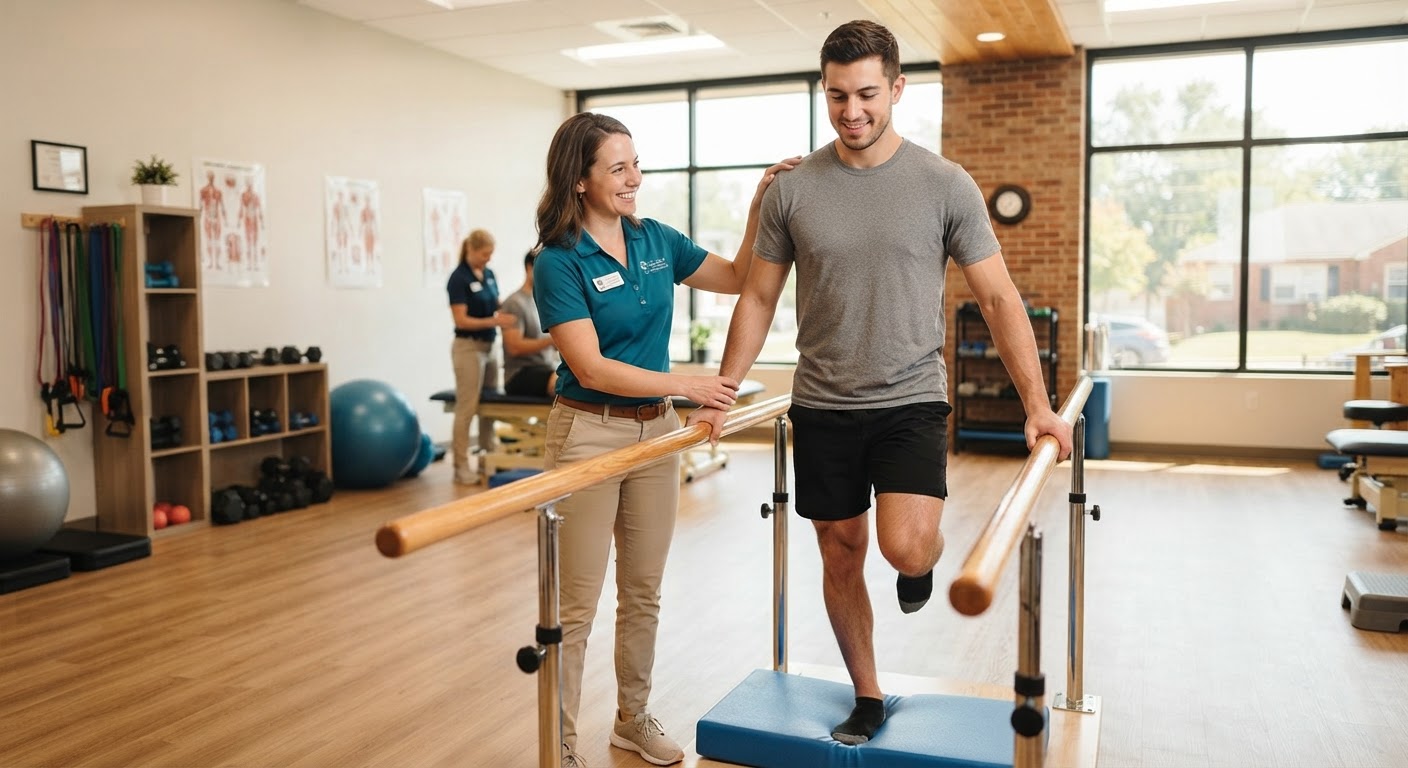
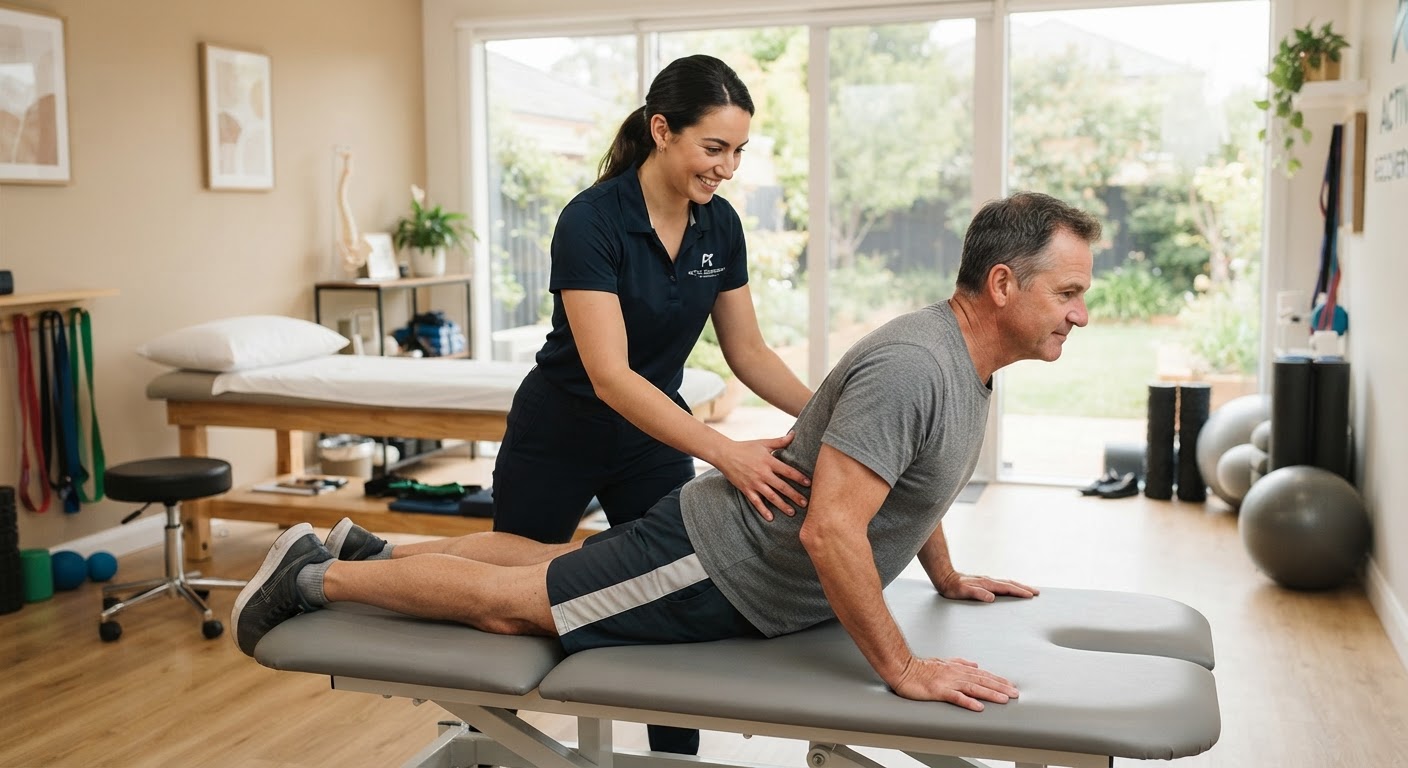
Physical therapy focuses on helping you move and function as comfortably as possible. Depending on your evaluation and goals, your rehabilitation plan may include therapeutic exercise, mobility work, hands-on techniques, and guidance for daily activities. Treatment is adjusted as your ability and symptoms change.
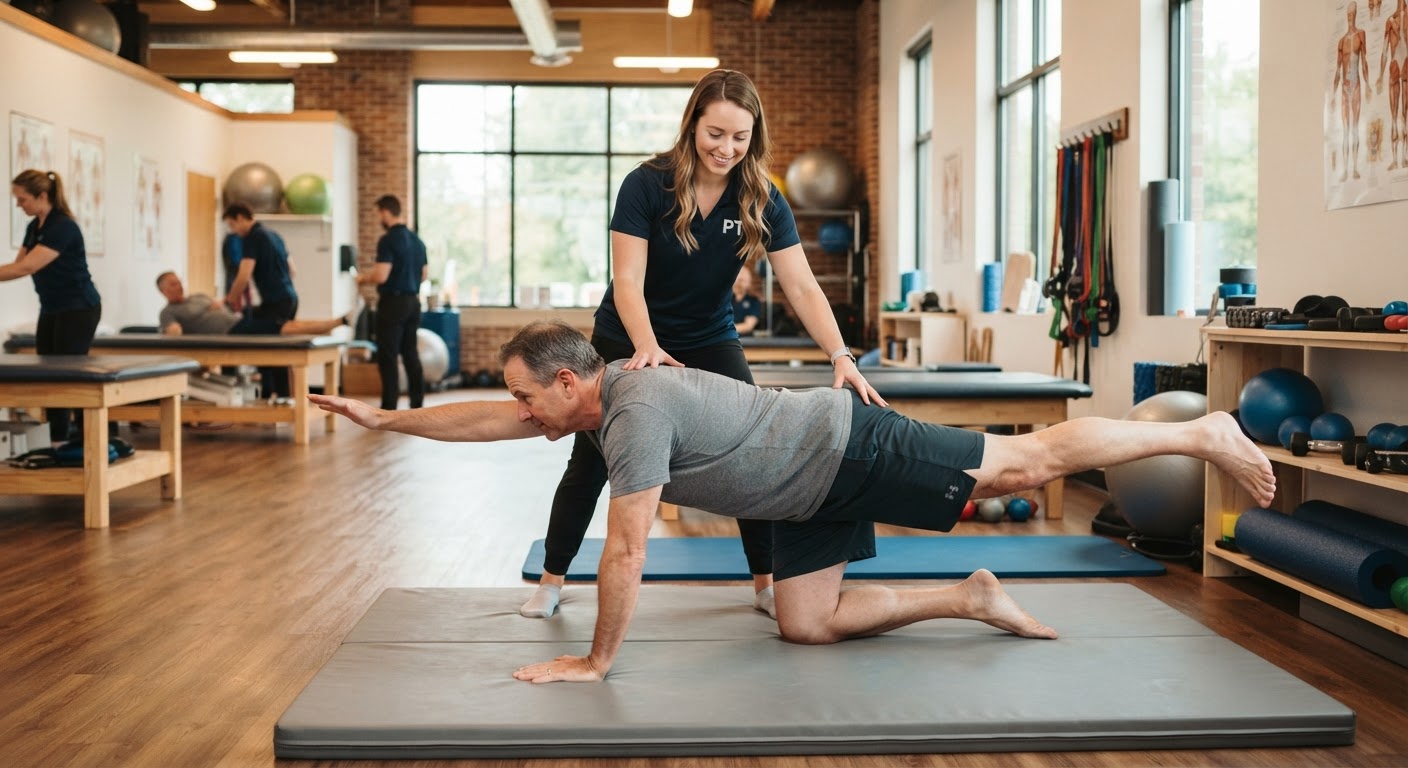
Exercise can help build strength and endurance in the muscles that support your trunk and hips. Mobility exercises may make it easier to bend, turn, or reach. Your therapist may also help you gradually return to activities you have been avoiding. Progress is usually built step by step, with attention to how your body responds rather than pushing through severe or worsening pain.
Education is another important part of care. Understanding how to pace activity, change positions, and respond to flare-ups can make symptoms feel more manageable. Physical therapy is not simply a list of exercises; it is a collaborative process designed to help you develop skills you can use beyond the clinic.
Practical Steps You Can Try
Keep moving in a comfortable way. Prolonged bed rest can make it harder to return to normal activities. If movement feels manageable, try short walks or gentle activities and increase them gradually. Stop and seek guidance if an activity causes intense or unusual symptoms.
Change positions regularly. Sitting or standing in one position for a long time may increase discomfort for some people. Consider brief movement breaks during the day, such as standing, walking, or gently changing your posture. There is no single perfect posture for everyone; comfort and the ability to vary positions matter.
Use pacing to manage demanding tasks. Break chores, yard work, or longer periods of standing into smaller sections. Alternate more demanding tasks with lighter activities and allow time to recover. Pacing can help you stay engaged without doing too much on a good day and then needing to stop for an extended period.
Notice patterns without becoming fearful. A simple record of activities, sleep, stress, and symptoms may help you identify what affects your back. Use the information to make practical adjustments, not to avoid every movement that produces mild discomfort. Share these observations with your physical therapist so your plan can be adapted.
Follow a consistent, personalized exercise plan. Exercises that help one person may not suit another. Ask your physical therapist how often to do your home program, how to modify movements, and what signs mean you should pause or contact the clinic. Consistency and gradual progress are generally more useful than occasional, intense workouts.
What To Expect From Rehabilitation
A physical therapist will ask what you want to get back to, such as walking comfortably, lifting at work, or enjoying a favorite activity. Together, you can set realistic goals and review progress over time. Some days may be easier than others, and improvement may not happen in a straight line. Your plan can be adjusted to reflect changes in symptoms, schedule, and function.
Pain relief is an important goal, but progress can also include improved mobility, greater strength, better tolerance for daily tasks, and less worry about movement. Your therapist may coordinate with other healthcare providers when appropriate. If your symptoms change significantly or do not respond as expected, your care team can help determine whether additional evaluation is needed.
When To Seek Medical Attention
Get urgent medical care for back pain accompanied by new loss of bladder or bowel control, numbness around the groin or saddle area, or sudden, significant weakness in the legs. Contact a healthcare professional promptly if pain follows a serious injury or occurs with symptoms such as fever or unexplained weight loss. This information is not a diagnosis; a qualified clinician can assess your individual situation.
Start With A Personalized Plan
Chronic back pain can be frustrating, but you do not have to navigate it alone. Physical Therapy NOW™ can help you understand your movement, build a practical rehabilitation plan, and work toward meaningful pain relief. Care at the West Boca location in Boca Raton, FL, is tailored to your goals and daily needs.
If back pain is limiting your routine, contact Physical Therapy NOW™ to discuss your options. Call or visit the West Boca location in Boca Raton, FL, to schedule an evaluation and take the next step toward moving with greater confidence.
Ready to start feeling better?
Physical Therapy NOW™ has 40+ Florida locations with same-week appointments. Most insurance, auto accident (PIP), workers' compensation and Medicare accepted.