Managing Chronic Back Pain With Physical Therapy
Chronic back pain can make everyday activities feel harder, from sitting at work to walking the dog or getting a good night’s sleep. When discomfort lasts for weeks or keeps returning, it can be tempting to avoid movement. But with the right guidance, gradually building strength and confidence may help you move more comfortably. Physical Therapy NOW™ in Lauderhill, FL, offers rehabilitation support tailored to your symptoms, needs, and daily goals.
Understanding Chronic Back Pain
Back pain is considered chronic when it persists or recurs over an extended period. It may be related to muscle or joint irritation, reduced strength or mobility, past injuries, work demands, or other health factors. In many cases, there is no single cause. Pain is also influenced by sleep, stress, activity levels, and how the nervous system responds to sensations.
That does not mean the pain is imaginary. It means that an effective plan may address more than one factor. A physical therapist can review your health history, ask what activities are difficult, and assess movement, strength, balance, and mobility. This helps guide care toward meaningful goals, such as lifting with more confidence or returning to regular walks.
How Physical Therapy Can Help
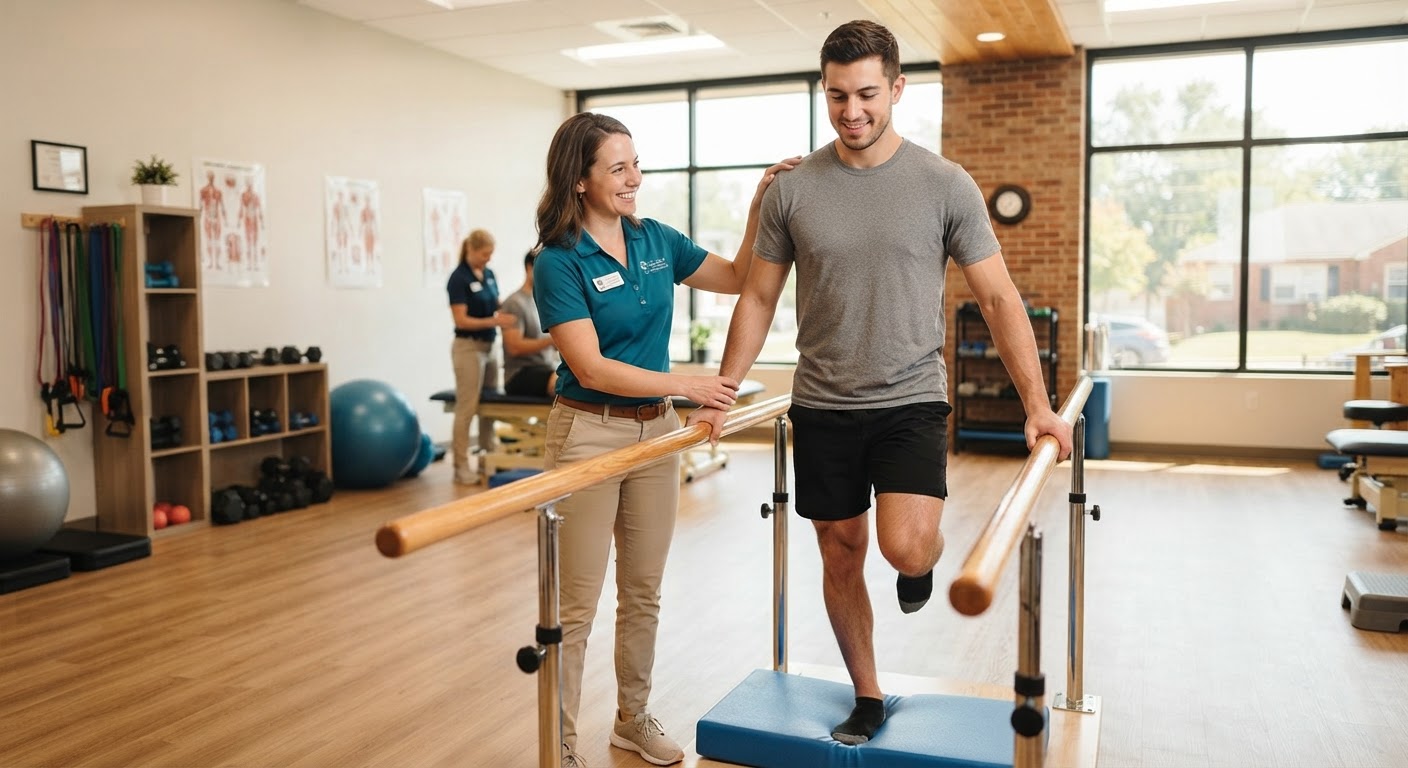
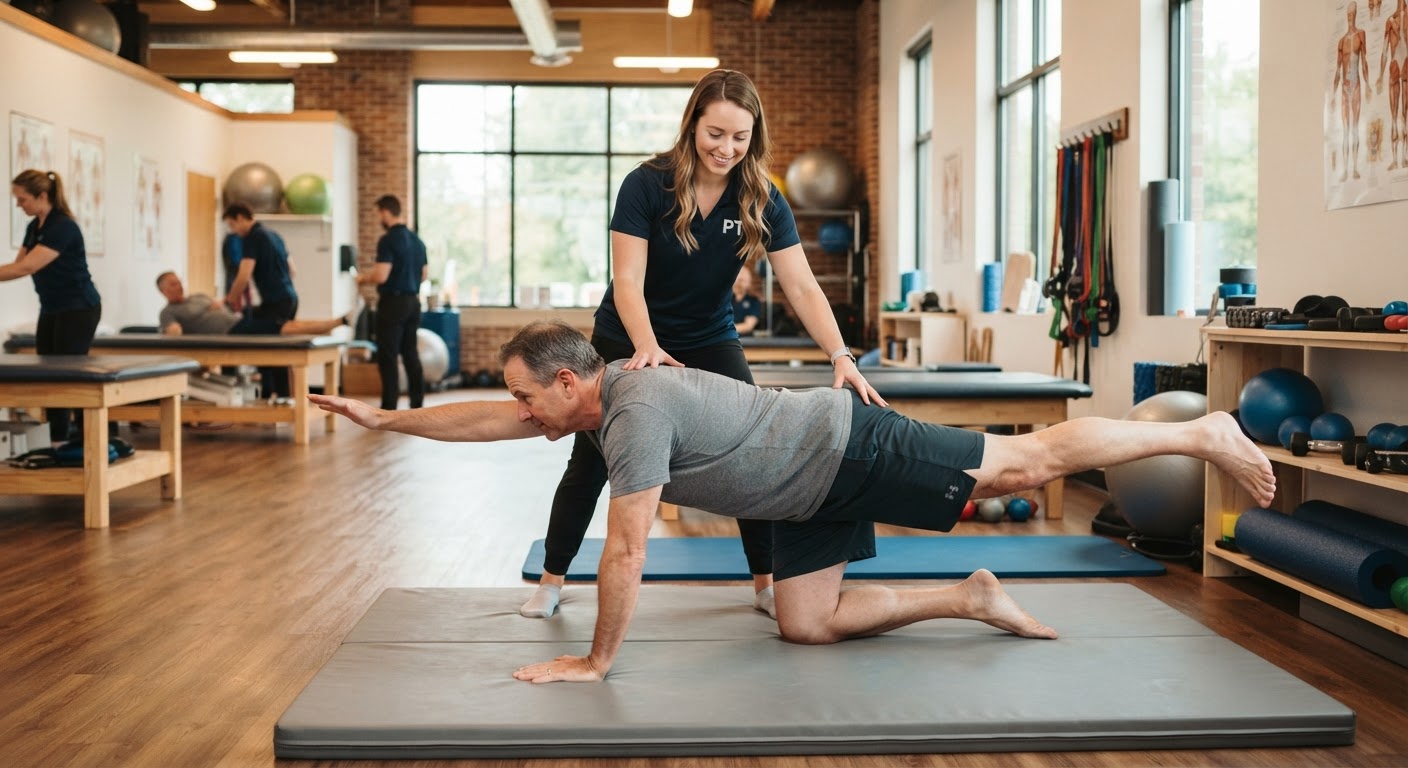
Physical therapy for chronic back pain often combines education and active rehabilitation. Your therapist may recommend exercises that build trunk and hip strength, improve flexibility, or develop balance and endurance. The right starting point depends on your comfort and abilities; exercises can be adjusted as your capacity changes.
Treatment may also include movement practice, guidance on pacing, or hands-on techniques when appropriate. These approaches are intended to help you participate in daily activities and manage symptoms—not to promise an instant cure. A therapist can also help you understand how to modify an activity temporarily without giving it up altogether.
At Physical Therapy NOW™’s Sunrise location in Lauderhill, care can be shaped around your routine, work, and personal goals. Your therapist can explain each part of your plan and help you track progress, so you know what to practice between visits and when to adjust an exercise.
Practical Steps You Can Try
Small, consistent changes can support your rehabilitation. Consider these strategies, and stop or modify an activity if it causes a sharp or significant increase in symptoms.
Keep moving in manageable amounts. If prolonged sitting aggravates your back, try changing positions or taking a brief walk at regular intervals. Begin with a distance or duration that feels achievable, then build gradually rather than doing much more on a good day and needing to stop for several days afterward.
Use pacing. Break demanding tasks into smaller parts, alternate heavier and lighter activities, and schedule short rests before you feel completely worn out. Pacing can help you stay active without treating every task as a test of endurance.
Choose comfortable positions. There is no single posture that is perfect for everyone. Adjust your chair, screen, or work surface to reduce strain, and change positions throughout the day. When lifting, keep the load close to your body and use a stable stance. For heavy or awkward items, ask for help when possible.
Follow a tailored exercise plan. A few appropriate movements practiced consistently may be more useful than an intense routine that is difficult to maintain. A physical therapist can help you choose exercises and progress them safely. Avoid copying a routine online if it increases your pain or does not fit your health needs.
Support recovery habits. Regular sleep, relaxation, and a sustainable activity routine can complement physical therapy. If pain makes sleep difficult or stress feels overwhelming, mention it to your healthcare provider so you can discuss additional support.
What To Expect From Rehabilitation
Progress is not always a straight line. Symptoms may vary with activity, sleep, and other factors. Your therapist can help you distinguish expected changes from signs that your plan needs adjustment. Share what feels better, what remains difficult, and any concerns about an exercise. Open communication makes it easier to keep the program realistic and relevant.
A plan may evolve as you improve. Early goals could focus on comfortable movement and basic strength; later goals may include returning to hobbies, work tasks, or exercise. Your therapist can also give you strategies to maintain progress after supervised visits end.
When To Seek Medical Care
Arrange an evaluation if back pain is persistent, recurring, limiting your activities, or not improving with self-care. Seek urgent medical attention for back pain with new loss of bladder or bowel control, numbness in the groin or saddle area, rapidly worsening weakness, or severe symptoms after a significant injury. Contact a healthcare professional promptly if pain occurs with fever, unexplained weight loss, or other concerning changes.
Take The Next Step Toward Pain Relief
You do not have to figure out chronic back pain alone. A physical therapy evaluation can help identify practical next steps and build a rehabilitation plan around your life. Contact or visit Physical Therapy NOW™ at the Sunrise location in Lauderhill, FL, to ask about scheduling. The team can help you explore options for improving movement, building confidence, and working toward lasting pain relief.
Ready to start feeling better?
Physical Therapy NOW™ has 40+ Florida locations with same-week appointments. Most insurance, auto accident (PIP), workers' compensation and Medicare accepted.