Managing Chronic Back Pain With Physical Therapy
Chronic back pain can make everyday activities feel harder, from sitting at work to bending down or getting a good night’s sleep. When discomfort continues or keeps returning, it may affect your movement, mood, and confidence. Physical therapy can help you understand what may be contributing to your symptoms and develop a plan to move more comfortably.
At Physical Therapy NOW™, our team works with people to build practical strategies for pain relief and improved function. Treatment is tailored to your needs, goals, and abilities. While results vary, rehabilitation can help many people move with greater ease and feel more prepared to manage back pain over time.
What Chronic Back Pain Can Feel Like
Back pain is often described as chronic when it lasts for an extended period or repeatedly returns. It may feel like a dull ache, stiffness, sharp discomfort, or pain that travels into the buttock or leg. Symptoms can change from day to day and may be influenced by activity, rest, stress, sleep, or other health factors.
Back pain has many possible causes, and an online article cannot determine what is behind your symptoms. A physical therapist can ask about your health history, observe how you move, and assess strength, flexibility, balance, and functional activities. If your symptoms suggest that you need medical evaluation, your therapist can recommend that you contact an appropriate healthcare provider.
How Physical Therapy Supports Back Pain Management
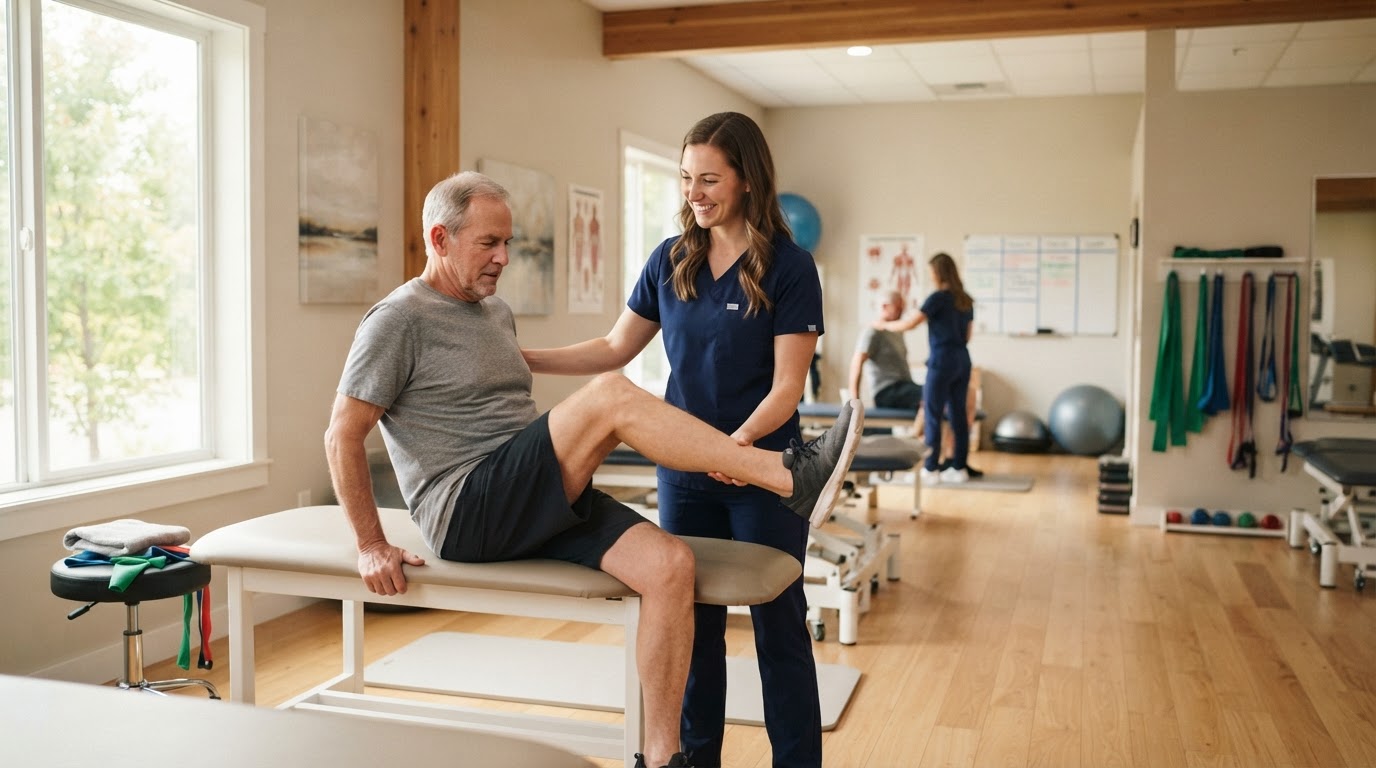
Physical therapy focuses on helping you move and function as well as possible. Your therapist will work with you to set meaningful goals, such as walking longer, returning to a favorite activity, or managing household tasks with less difficulty.
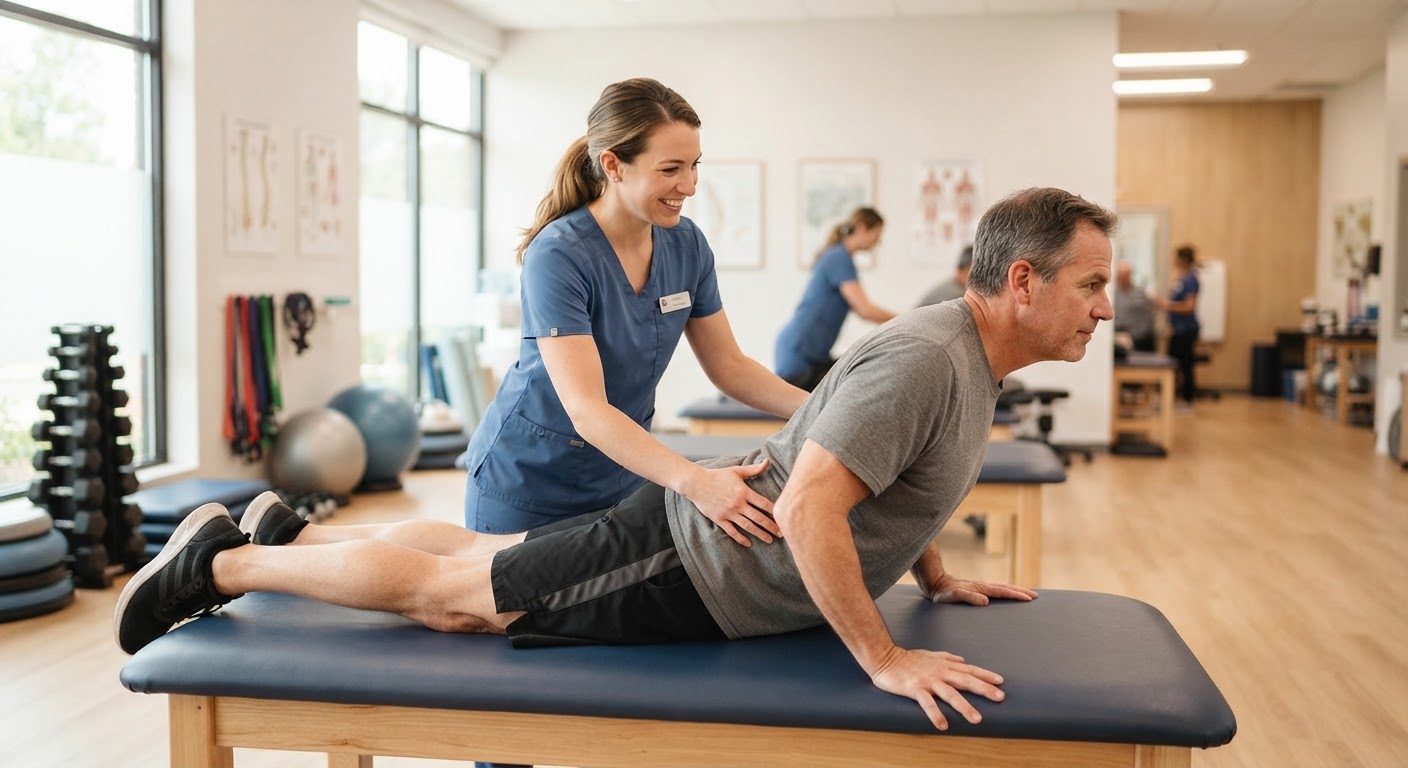
A personalized plan may include therapeutic exercise to build strength and mobility, movement practice for daily activities, and education about pacing and body mechanics. Your therapist may also use hands-on techniques when appropriate. Treatment is adjusted according to your response, preferences, and progress. The goal is not simply to address discomfort during a visit, but to help you develop skills you can use in everyday life.
Rehabilitation is most effective when it fits your routine. Your physical therapist can show you how to perform exercises safely, explain what sensations to watch for, and modify your program as your abilities change. Be open about what feels manageable and what does not. That feedback helps your care team make informed adjustments.
Everyday Tips That May Help
Keep moving within your comfort level. Prolonged bed rest can make it harder to return to activity. Gentle walking or another activity recommended by your healthcare provider may help you maintain movement. Start at a level that feels manageable and increase gradually rather than trying to do too much at once.
Break up long periods of sitting. If your day involves a desk or a drive, try changing positions regularly and taking brief movement breaks. Adjust your workstation so you can sit comfortably, with your screen at a useful height and your feet supported when possible. There is no single posture that is perfect for everyone; varying positions can be more practical than trying to hold one rigid pose.
Use pacing for chores and hobbies. Divide demanding tasks into smaller steps, alternate heavier and lighter activities, and pause before discomfort becomes difficult to manage. When lifting, keep the item close to your body and avoid twisting while carrying it. If a task repeatedly aggravates your back, ask your physical therapist about safer ways to approach it.
Follow an exercise plan that fits you. A therapist may recommend movements for strength, flexibility, or endurance based on your assessment. Do not assume that an exercise is right for your back just because it helped someone else. Follow the instructions you were given, and contact your therapist if an activity causes concerning or worsening symptoms.
Pay attention to sleep and stress. A comfortable sleep setup and a consistent wind-down routine may support rest. Stress can also influence how pain feels and how easy it is to stay active. Your therapist can discuss simple relaxation or pacing strategies and help you identify when additional support may be useful.
When To Seek Medical Care
Seek urgent medical attention for back pain accompanied by new loss of bladder or bowel control, numbness in the groin or saddle area, or significant new weakness in a leg. Contact a healthcare provider promptly if pain follows a serious injury, comes with fever or unexplained illness, or is steadily worsening. These symptoms need individualized assessment and should not be managed with exercise advice alone.
What To Expect From Your Physical Therapy Visit
Your first appointment typically includes a conversation about your symptoms, health history, activities, and goals, followed by a movement assessment. Wear comfortable clothing that allows you to move. It can help to note when your pain began, what tends to make it better or worse, and questions you would like to ask.
Your plan may change over time as you build confidence or encounter new challenges. Progress is not always a straight line, so share both improvements and setbacks with your therapist. Consistent communication can help keep rehabilitation realistic and responsive to your needs.
Get Support For Back Pain In Sanford
You do not have to figure out chronic back pain on your own. A physical therapist can help you understand your options, practice useful movement strategies, and work toward goals that matter in your daily life. Physical Therapy NOW™ in Sanford, FL, offers personalized care designed around your needs and routine.
Ready to take a practical next step toward better movement and pain relief? Visit or call the Sanford location to ask about scheduling an appointment. The team at Physical Therapy NOW™ is ready to help you explore a physical therapy plan for managing chronic back pain.
Ready to start feeling better?
Physical Therapy NOW™ has 40+ Florida locations with same-week appointments. Most insurance, auto accident (PIP), workers' compensation and Medicare accepted.