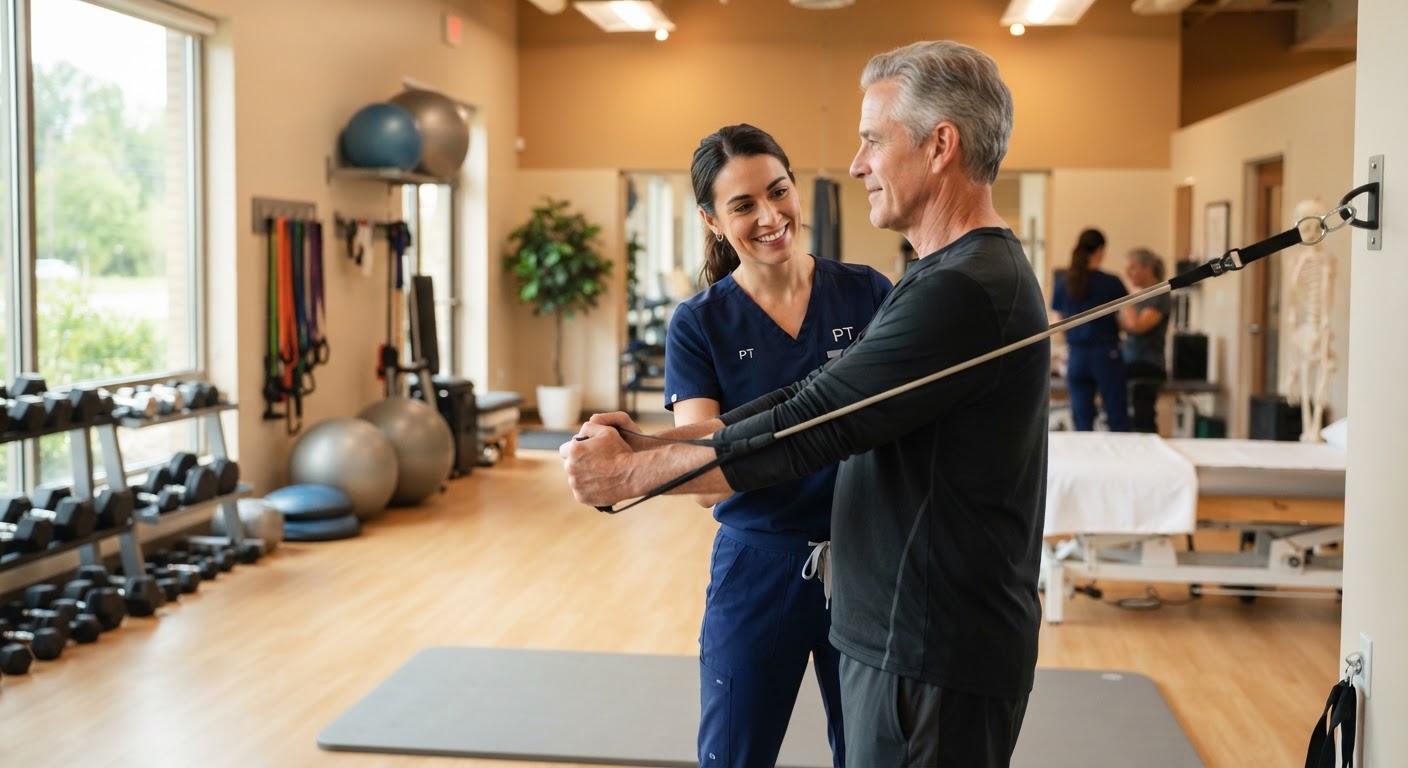
Living with chronic back pain can make everyday tasks feel harder, from getting dressed to sitting through a workday or enjoying a walk. Although back pain can have many causes, a carefully tailored physical therapy program can help you move with greater confidence, build strength, and develop practical ways to manage symptoms.
At Physical Therapy NOW™, we work with people to understand how back pain affects their routines and goals. Physical therapy does not promise an instant fix, but it can provide a structured path toward improved mobility and meaningful pain relief.
Understanding Chronic Back Pain
Back pain is generally described as chronic when it continues or returns over an extended period. It may feel like an ache, stiffness, sharp discomfort, or pain that travels into the buttocks or legs. Symptoms and triggers differ from person to person. Sitting for a long time, lifting, bending, or even sleeping in an uncomfortable position may affect how your back feels.
Persistent pain does not always mean that your back is being damaged every time you move. However, new, severe, or changing symptoms should be taken seriously. A healthcare professional can help assess your situation, identify appropriate next steps, and determine whether physical therapy is suitable for you.
How Physical Therapy Can Help
Physical therapy begins with an evaluation of your symptoms, movement, strength, flexibility, and daily activities. Your therapist may ask what makes pain better or worse and what you hope to return to doing. This information helps shape a rehabilitation plan around your needs rather than relying on a one-size-fits-all routine.
Treatment may include guided exercises to improve strength and mobility, hands-on techniques when appropriate, and education about pacing and movement. Your therapist can also help you practice everyday activities, such as lifting an object or getting up from a chair, using strategies that feel manageable and controlled.
A central goal is to help you become more confident in moving. Avoiding all activity can make it harder to maintain strength and mobility, while doing too much too quickly may aggravate symptoms. A physical therapist can help you find a gradual, individualized balance.
Practical Steps You Can Try
Keep moving in comfortable amounts. Short walks or gentle changes of position may be more manageable than staying in one position for a long time. Begin at a level that feels appropriate and build gradually. If an activity causes a substantial or lasting increase in symptoms, pause and discuss it with your therapist.
Break up long periods of sitting. Set a reminder to stand, stretch gently, or walk around at regular intervals. Adjust your chair and screen so you can work in a comfortable position, but remember that changing positions is often more useful than trying to hold one perfect posture all day.
Use a steady approach to lifting. When possible, keep objects close to your body, move deliberately, and avoid twisting while carrying a load. For heavier or awkward items, ask for help or divide the task into smaller steps. Your therapist can coach you on lifting techniques that suit your body and the task.
Pay attention to sleep and recovery. A comfortable sleeping position and a consistent wind-down routine may support rest. There is no single sleeping position that works for everyone, so make adjustments based on comfort. Plan activity and rest across the day rather than pushing through until symptoms become difficult to manage.
Track patterns without letting pain run your schedule. Brief notes about activities, sleep, and symptoms can help you recognize useful patterns and give your therapist helpful context. The purpose is to guide decisions, not to monitor every sensation or avoid all movement.
What To Expect From Rehabilitation
Progress with chronic back pain is not always perfectly steady. Some days may feel easier than others, and the right pace depends on your condition, health history, and goals. Your rehabilitation plan may change as your tolerance and abilities change. Consistency with the agreed exercises and open communication with your therapist can help keep the plan relevant.
It is important to tell your therapist if an exercise feels confusing, difficult to perform, or consistently worsens your symptoms. Exercises should be selected and adjusted for you; copying a routine from someone else may not address your needs. Your therapist can explain what each activity is intended to do and how to adapt it safely.
Seek prompt medical attention for back pain accompanied by concerning symptoms such as new loss of bladder or bowel control, numbness around the groin or saddle area, significant weakness, or symptoms following a serious injury. Contact a healthcare professional if you are unsure how urgently to seek care.
Personalized Care In Palm Harbor
If back pain is interfering with work, exercise, or home life, you do not have to figure out your next steps alone. Physical Therapy NOW™ provides individualized physical therapy at its Palm Harbor location, with care focused on movement, function, and goals that matter to you. The Palm Harbor, FL team can help you explore a rehabilitation approach and learn strategies for managing symptoms in daily life.
Take The Next Step
Small, consistent changes can make daily movement feel more manageable, and professional guidance can help you choose a sensible place to begin. Contact or visit Physical Therapy NOW™ in Palm Harbor, FL, to ask about an evaluation and discuss your goals. Call the Palm Harbor location today to take the next step toward better movement and practical pain relief.
Ready to start feeling better?
Physical Therapy NOW™ has 40+ Florida locations with same-week appointments. Most insurance, auto accident (PIP), workers' compensation and Medicare accepted.