Managing Chronic Back Pain With Physical Therapy
Chronic back pain can affect how you work, sleep, exercise, and enjoy everyday activities. When discomfort lasts or keeps returning, it may be tempting to avoid movement. However, the right kind of movement and a personalized rehabilitation plan can help you build confidence and manage symptoms. Physical therapy offers an individualized approach focused on improving function, addressing contributing factors, and supporting lasting pain relief.
At Physical Therapy NOW™, our Orlando location works with people experiencing back pain at different stages and activity levels. Understanding what may be contributing to your symptoms is an important first step toward choosing a safe and practical plan.
Understanding Chronic Back Pain
Back pain can have many possible contributors, including muscle or joint irritation, changes in mobility, reduced strength, repetitive demands, or a previous injury. Stress, sleep difficulties, and long periods in one position may also affect how pain feels. In many cases, symptoms do not point to one simple cause, which is why a careful assessment matters.
Chronic pain does not always mean that your back is being damaged whenever it hurts. Pain is complex, and it can be influenced by several physical and personal factors. A physical therapist can review your symptoms, health history, movement, and goals to help determine appropriate next steps. Your plan should be tailored to you rather than based on a one-size-fits-all routine.
How Physical Therapy Can Help
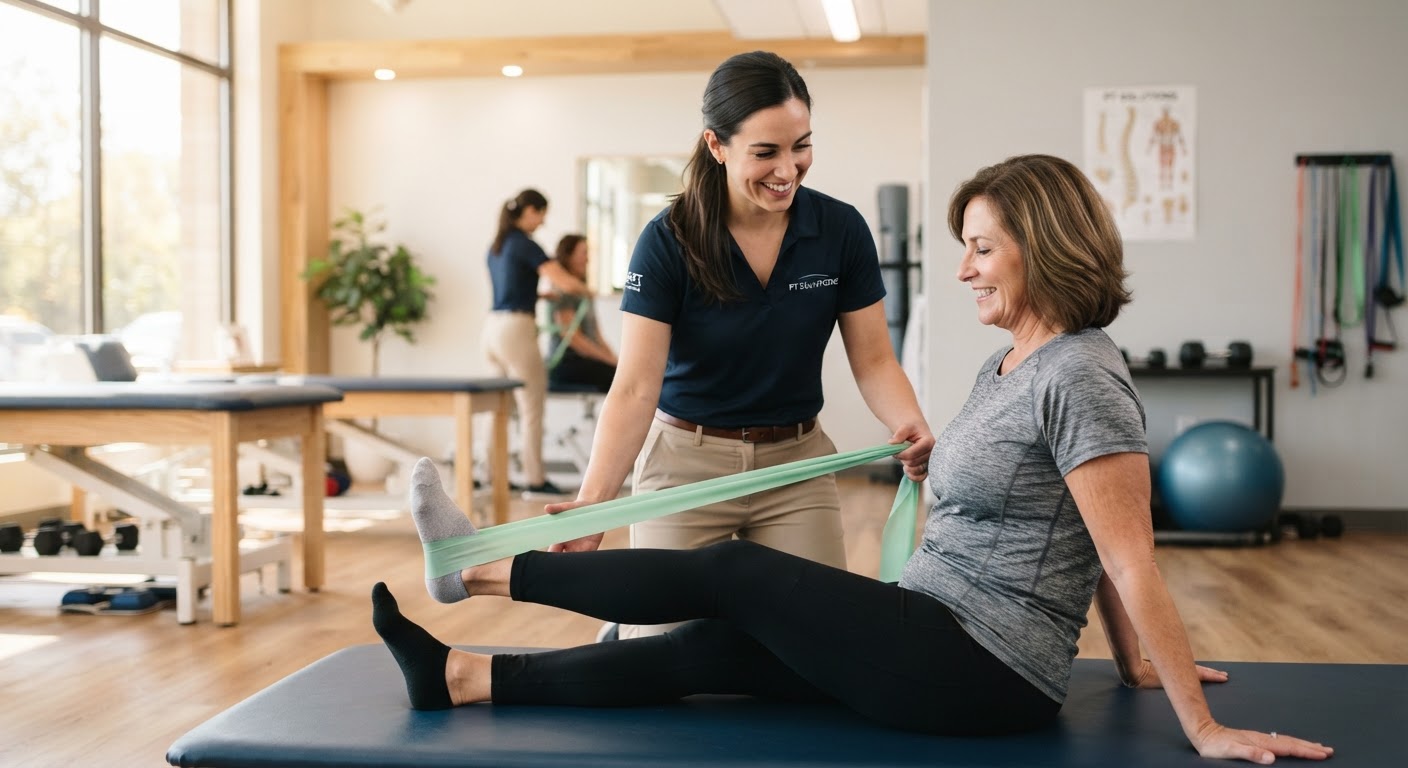
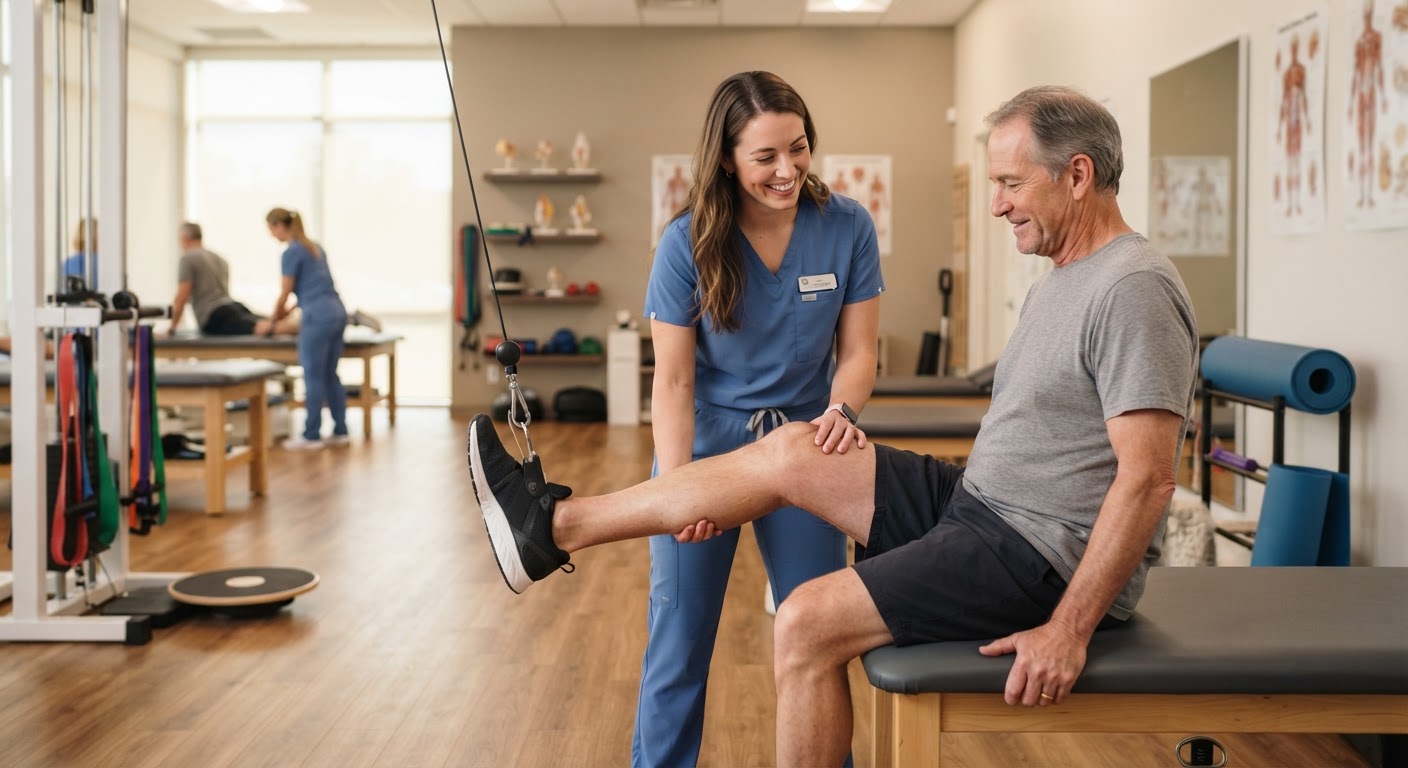
Physical therapy may help you move more comfortably and return to activities that matter to you. Treatment can include guided exercises, mobility work, education, and strategies for gradually increasing activity. Your therapist may also help you understand which movements are appropriate and how to adjust tasks that currently aggravate your symptoms.
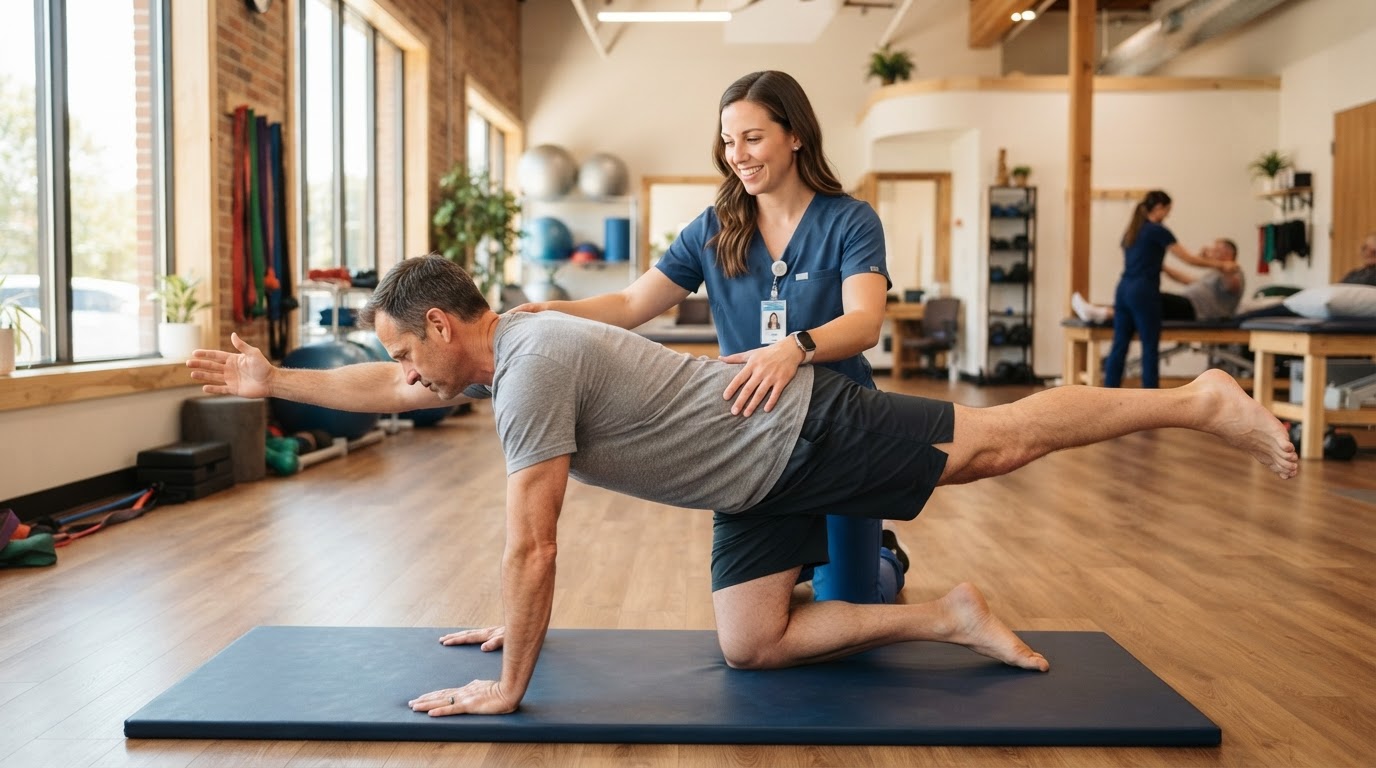
A rehabilitation program often focuses on building strength and endurance in the muscles that support your trunk and hips, improving flexibility where needed, and practicing everyday movements such as bending, lifting, and getting up from a chair. Progress is usually gradual. The goal is not to push through severe pain, but to find a manageable starting point and increase activity as your tolerance improves.
Hands-on techniques may be considered as one part of care when appropriate. They are typically most useful when combined with active strategies that help you maintain progress outside the clinic. Your therapist can explain the purpose of each treatment and adjust the plan based on your response.
Practical Ways To Support Your Back
Keep moving in a way that feels manageable. Short walks or brief movement breaks can be a useful starting point if long periods of sitting make you stiff. Begin at a comfortable pace and duration, then gradually increase as your body allows. If an activity causes a strong or lasting increase in symptoms, pause and discuss how to modify it with your physical therapist.
Break up prolonged sitting. Change positions regularly, stand to stretch, or take a short walk when your schedule allows. There is no single perfect posture for everyone, and staying in one position for too long may be less comfortable than varying your position throughout the day.
Use a gradual approach to lifting. Keep objects close to your body, move deliberately, and avoid twisting while carrying a heavy item. For larger or awkward loads, ask for help or divide the task when possible. A therapist can coach you through lifting techniques that fit your needs and daily responsibilities.
Make exercise realistic. Choose activities you can repeat consistently rather than starting with an intense routine. Your physical therapist can help select exercises based on your symptoms, abilities, and goals. Stop an exercise if it produces sharp, worsening, or unusual symptoms, and ask for guidance before continuing.
Pay attention to recovery habits. A comfortable sleep setup, regular meals, and a calming wind-down routine may support general well-being. These habits do not replace treatment, but they can be part of a broader plan for managing pain. Keep notes on activities, positions, and routines that seem to help or worsen your symptoms; this information can guide conversations with your care team.
When To Seek Professional Guidance
Consider an evaluation if back pain is interfering with daily tasks, limiting activity, or repeatedly returning. A physical therapist can help identify suitable options and determine whether you should consult another healthcare professional. If you have a serious health condition, recent injury, or questions about whether exercise is safe for you, seek professional advice before beginning a new program.
Get prompt medical attention for back pain accompanied by new or worsening leg weakness, numbness in the groin or saddle area, loss of bladder or bowel control, fever, or symptoms after a significant injury. These signs may require urgent assessment. When in doubt about a new or severe symptom, contact a qualified healthcare provider.
Building A Plan That Fits Your Life
Managing chronic back pain is often a process rather than a quick fix. Progress may include being able to walk farther, complete household tasks with less difficulty, or feel more confident returning to an activity. Your plan can be adjusted as your needs change, with clear goals and exercises that fit your schedule.
Physical Therapy NOW™ provides physical therapy and rehabilitation support at our Orlando location in Orlando, FL. If back pain is keeping you from the activities you value, contact or visit the Orlando location to discuss an evaluation and a plan designed around your goals. Call today to take a practical next step toward better movement and pain relief.
Ready to start feeling better?
Physical Therapy NOW™ has 40+ Florida locations with same-week appointments. Most insurance, auto accident (PIP), workers' compensation and Medicare accepted.