Understanding Chronic Back Pain
Back pain that continues for weeks or keeps returning can affect nearly every part of daily life. Sitting at work, sleeping comfortably, exercising, or completing household tasks may become harder than they used to be. Chronic back pain can have many causes, including muscle weakness, reduced mobility, repetitive strain, previous injuries, or changes in the spine. Often, several factors contribute at once.
Pain is real, but it does not always mean your back is being damaged each time you move. Avoiding activity altogether may lead to stiffness, reduced strength, and less confidence in movement. A thoughtful plan can help you stay active safely and work toward better function. Physical therapy offers an individualized approach to rehabilitation, with exercises and guidance suited to your symptoms and goals.
How Physical Therapy Can Help
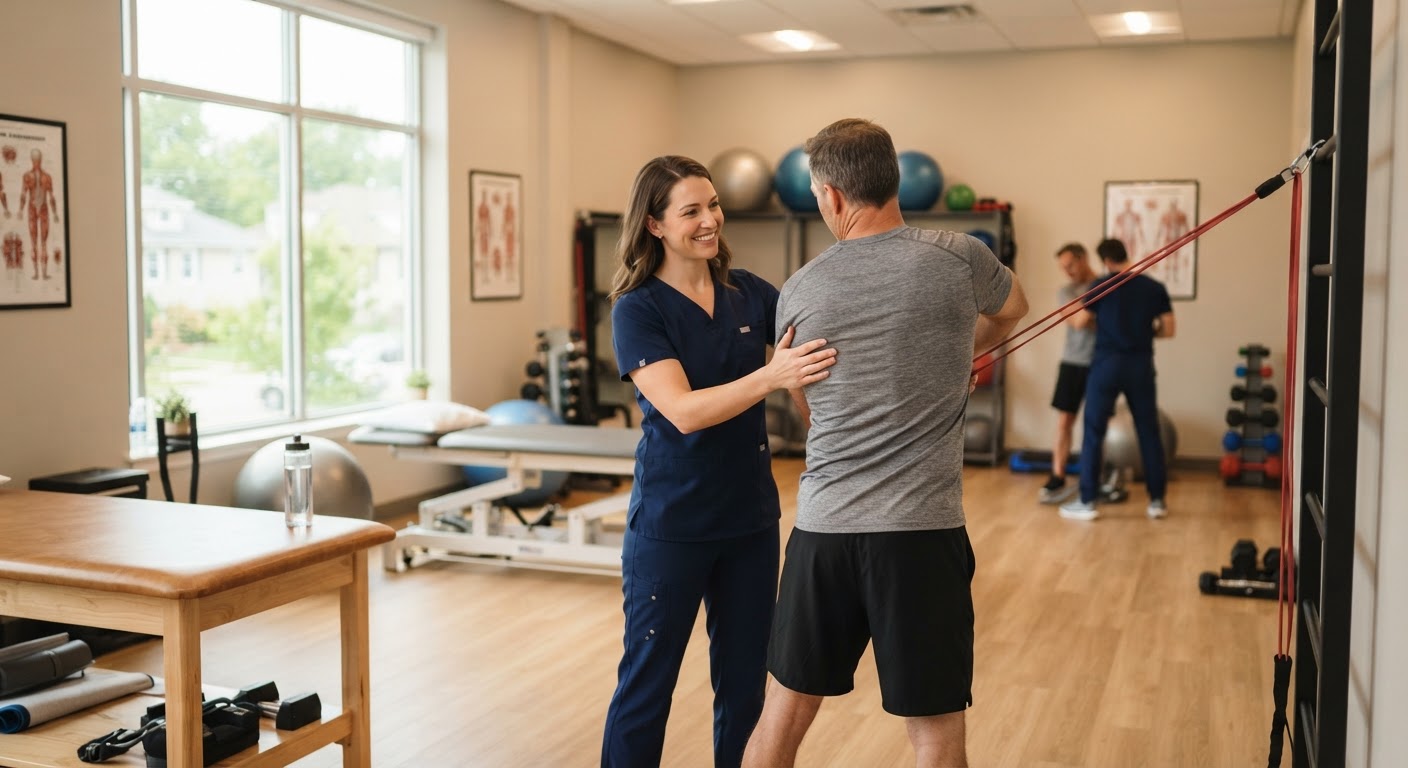
A physical therapist evaluates how you move, what activities bring on symptoms, and which movements feel comfortable. Your therapist may assess flexibility, strength, balance, posture, and everyday movement patterns. This information helps shape a care plan around your needs rather than relying on a one-size-fits-all routine.
Treatment may include gradual strengthening, mobility exercises, movement training, and strategies for managing symptom flare-ups. Your therapist can also help you understand how to adjust activities without giving them up unnecessarily. The aim is to improve your ability to move and participate in daily life, while building skills you can continue using at home.
Physical therapy is not simply a collection of exercises. It is a guided process. Your therapist can monitor your response, adjust the plan as you progress, and explain how to perform movements with appropriate technique. This support can make rehabilitation feel more manageable and help you build confidence over time.
Building A Personalized Rehabilitation Plan
A useful plan begins with clear, realistic goals. You might want to walk for longer, return to gardening, sit through a workday more comfortably, or lift groceries with greater confidence. Share these goals and your concerns with your physical therapist. Be sure to mention what makes symptoms better or worse, your work and activity routines, and any previous treatment.
Your program may start with gentle movements and progress as your comfort and capacity improve. The right pace depends on your symptoms, health history, and response to exercise. Some soreness can occur when beginning new activity, but sharp, worsening, or unusual pain should be discussed with your therapist. Do not push through symptoms that feel unsafe or significantly different from your usual experience.
Consistency matters more than doing too much at once. Follow the home program you have been given, and ask for clarification if an exercise is difficult to perform or increases your symptoms. Your therapist can modify it so the activity better fits your current ability.
Practical Tips For Everyday Pain Relief
Small changes to daily routines can support the work you do in therapy. Try these practical steps:
Keep moving in comfortable ways. Short walks or gentle changes of position can help break up long periods of sitting. Start with an amount that feels manageable and increase gradually, guided by your symptoms and care plan.
Change positions regularly. If you work at a desk, stand, stretch, or take a brief walk at intervals that suit your day. Adjust your chair and screen so you can work comfortably, but remember that no single posture needs to be held perfectly all day.
Use gradual pacing. Divide demanding chores into smaller tasks, alternate heavier activities with lighter ones, and take breaks before you feel completely worn out. When you are ready, build duration or effort step by step rather than doing a large amount after a quiet period.
Pay attention to lifting technique. Keep an object close to your body, use a stable stance, and move in a controlled way. For heavy or awkward items, ask for help or consider whether the task can be rearranged.
Make room for recovery. Sleep routines, stress management, and regular gentle activity can all influence how you feel. Try a relaxing bedtime routine and choose comfortable sleep positions. If sleep is consistently disrupted by pain, tell your healthcare provider or physical therapist.
When To Seek Medical Guidance
A physical therapist can help determine whether physical therapy is appropriate and whether you need additional medical evaluation. Seek urgent medical care for back pain accompanied by new loss of bladder or bowel control, numbness around the groin or saddle area, or sudden, significant leg weakness. Contact a healthcare professional promptly if pain follows a serious injury, or if you have other concerning symptoms such as fever or unexplained weight loss. This list is not exhaustive; trust your judgment and seek care when symptoms worry you.
Care At Physical Therapy NOW™
At Physical Therapy NOW™, care is centered on helping you understand your symptoms and take practical steps toward your goals. At the Oakland Park location in Oakland Park, FL, a physical therapist can discuss your movement concerns, explain your options, and develop a plan that reflects your needs. Your experience and feedback help guide each step of rehabilitation.
Progress may be gradual, and it can include both easier days and flare-ups. That does not automatically mean you have failed or lost all progress. Use the strategies in your plan, note what affects your symptoms, and communicate changes to your therapist. Together, you can adjust activities and keep working toward meaningful improvements in mobility and daily function.
Take The Next Step
Chronic back pain can make ordinary activities feel uncertain, but you do not have to figure out every next step alone. Physical therapy can provide individualized guidance, progressive exercise, and practical tools for pursuing pain relief and greater confidence in movement. Contact Physical Therapy NOW™ to arrange a visit or call the Oakland Park location in Oakland Park, FL to ask how physical therapy may support your needs.
Ready to start feeling better?
Physical Therapy NOW™ has 40+ Florida locations with same-week appointments. Most insurance, auto accident (PIP), workers' compensation and Medicare accepted.