Managing Chronic Back Pain With Physical Therapy
Chronic back pain can affect far more than your back. It may make it harder to sleep, work, exercise, or enjoy everyday activities. When pain continues or repeatedly returns, it can be tempting to avoid movement altogether. Yet the right kind of guided movement may help you build strength, improve mobility, and feel more confident in your daily routine.
Physical therapy offers an individualized approach to back pain management. At Physical Therapy NOW™ in Kissimmee, FL, a physical therapist can assess how your symptoms affect movement and help create a rehabilitation plan suited to your goals. While results vary from person to person, a thoughtful plan can support pain relief and help you take an active role in your recovery.
Understanding Chronic Back Pain
Back pain is considered chronic when it lasts for an extended period or continues to recur. It can have many contributing factors, including muscle weakness, reduced mobility, repetitive demands, a previous injury, or changes in how you move. Sometimes there is no single clear cause. A physical therapist can evaluate your movement and discuss your symptoms, but persistent or changing pain should also be assessed by an appropriate healthcare professional.
Pain does not always mean that movement is causing damage. At the same time, pain deserves attention, and exercise should be adjusted to your comfort and health needs. A physical therapist can help you find safe starting points and progress gradually rather than pushing through worsening symptoms.
How Physical Therapy Can Help
A physical therapy evaluation typically considers your health history, activity level, symptoms, posture, strength, flexibility, and functional movements. Your therapist may ask what makes your pain better or worse and which activities matter most to you. This information helps guide a personalized rehabilitation plan rather than relying on a one-size-fits-all routine.
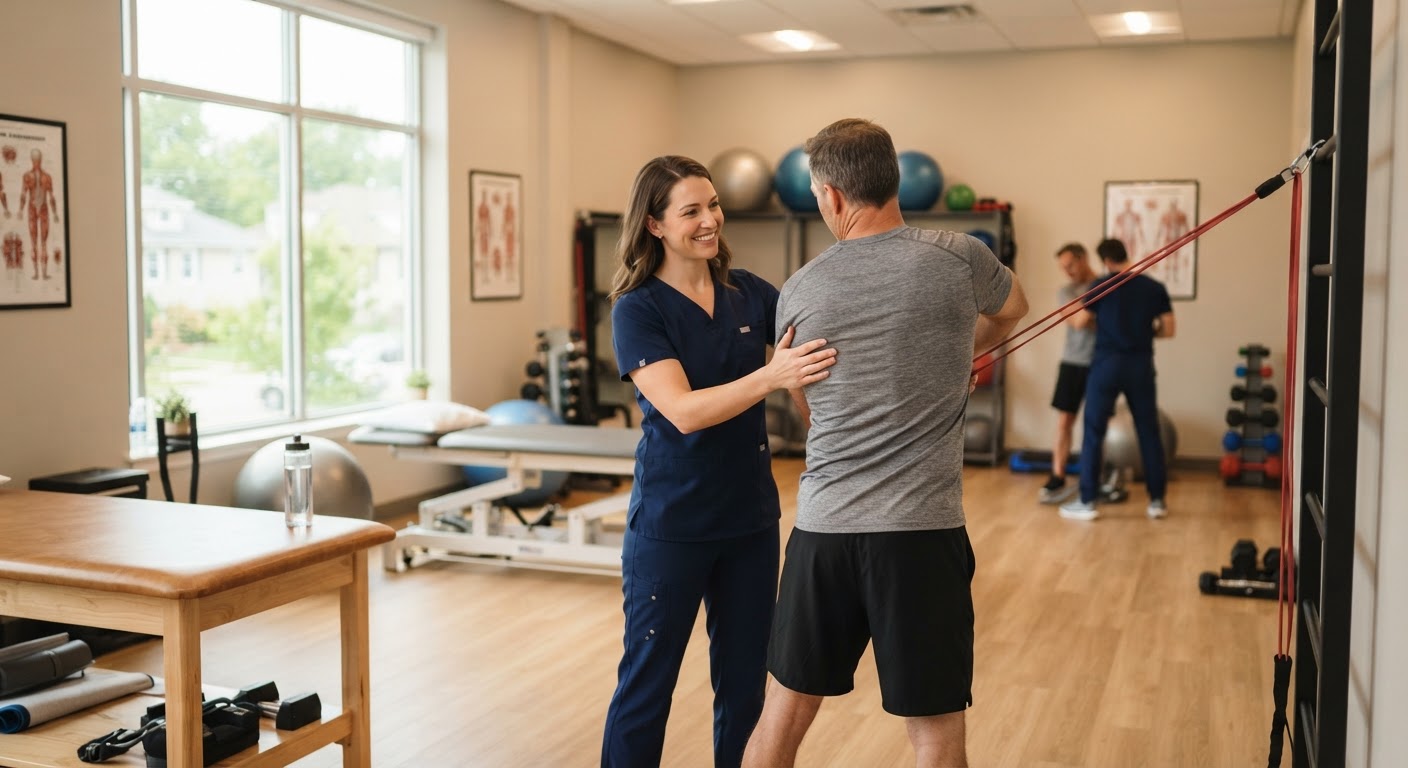
Treatment may include therapeutic exercises to improve trunk and hip strength, mobility work, balance or movement training, and coaching on how to manage everyday tasks. Your therapist may also discuss pacing, body mechanics, and ways to build activity back into your schedule. Hands-on techniques may be considered when appropriate, but active participation and a home program are often important parts of care.
The goal is not simply to chase a pain-free day. Physical therapy can also focus on helping you move with greater ease, return to valued activities, and develop strategies for managing flare-ups. Progress may be gradual, and your plan can be adjusted as your needs change.
Practical Ways To Support Your Recovery
Keep moving at a manageable level. Long periods of inactivity can make it harder to return to normal activities. If comfortable, try short walks or gentle movement breaks throughout the day. Start with an amount you can tolerate and increase gradually. If an activity causes a significant or lasting increase in symptoms, pause and ask your physical therapist how to modify it.
Change positions regularly. Sitting or standing in one position for a long time may aggravate symptoms for some people. Set a reminder to stand, stretch gently, or take a brief walk. Look for a comfortable setup at your desk, but remember that changing positions is often more useful than trying to hold one perfect posture all day.
Use a steady pace. On a better day, it can be tempting to do much more than usual, which may make it difficult to maintain your routine. Break demanding chores or exercise into smaller portions, and plan brief rests as needed. Consistency at a manageable level can be more practical than alternating between overdoing it and stopping completely.
Follow your personalized exercise plan. Exercises should match your abilities and symptoms. Your physical therapist can show you how to perform movements with appropriate form and explain how often to practice them. Avoid copying an exercise routine online if it causes pain or has not been adapted to your needs.
Notice patterns without becoming alarmed by every sensation. A simple record of activities, sleep, and symptom changes may help you and your therapist identify useful adjustments. Share changes in your symptoms and any concerns at your appointments so your plan can be reviewed.
When To Seek Medical Guidance
Contact a healthcare professional if your back pain is severe, worsening, follows a significant injury, or is accompanied by symptoms that concern you. Seek urgent medical care for new loss of bladder or bowel control, numbness around the groin or saddle area, or sudden or progressive weakness in a leg. This list is not exhaustive; if you are unsure about a symptom, get medical advice.
A Collaborative Approach In Kissimmee
Managing chronic back pain often takes patience and a plan that fits real life. At Physical Therapy NOW™, your physical therapist can work with you to identify meaningful goals, practice appropriate movement, and adjust your rehabilitation as you progress. Your care may also involve communication with other healthcare providers when needed.
If back pain is limiting your work, sleep, or favorite activities, take the next step toward a plan designed around you. Visit Physical Therapy NOW™ in Kissimmee, FL, or call the Kissimmee location to ask about getting started with physical therapy. A conversation with the team can help you learn how personalized care may support your movement, function, and pain relief.
Ready to start feeling better?
Physical Therapy NOW™ has 40+ Florida locations with same-week appointments. Most insurance, auto accident (PIP), workers' compensation and Medicare accepted.