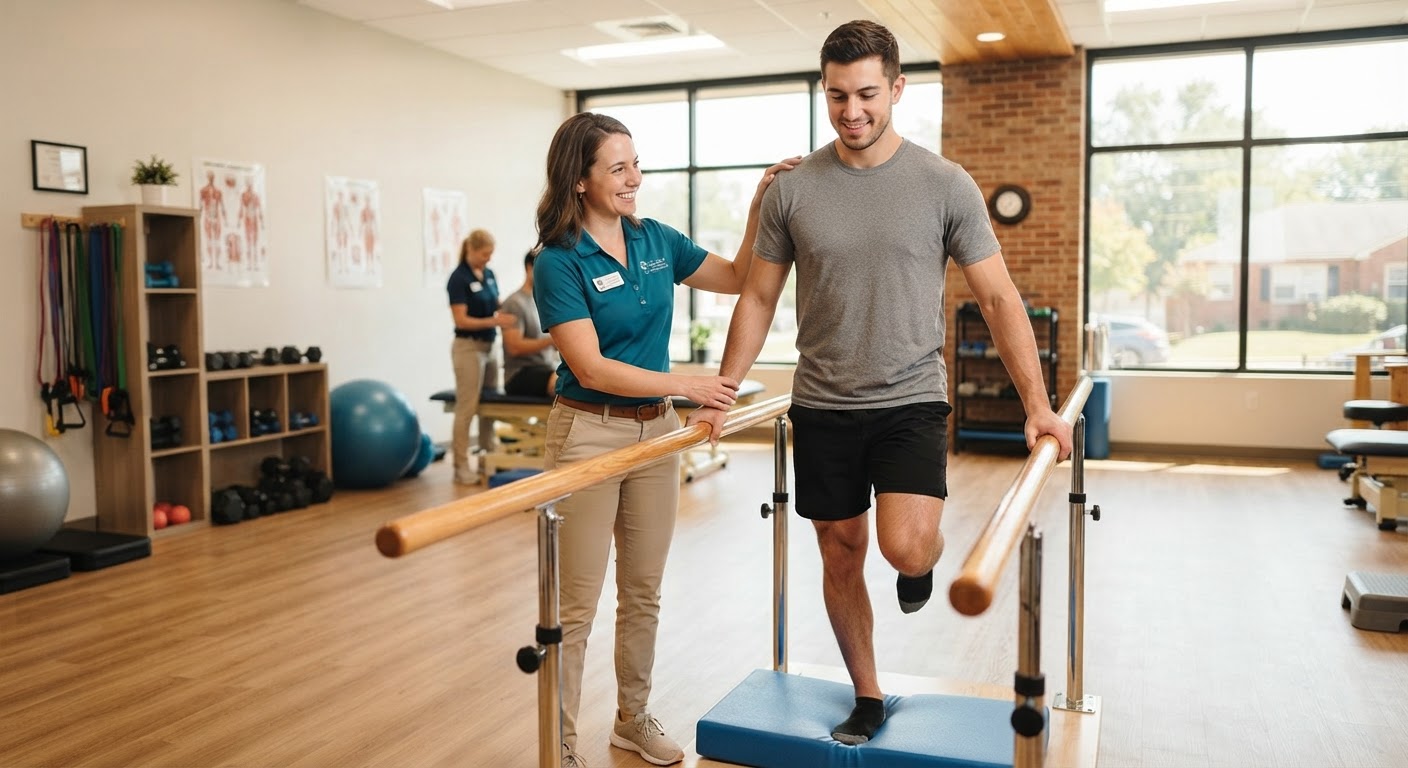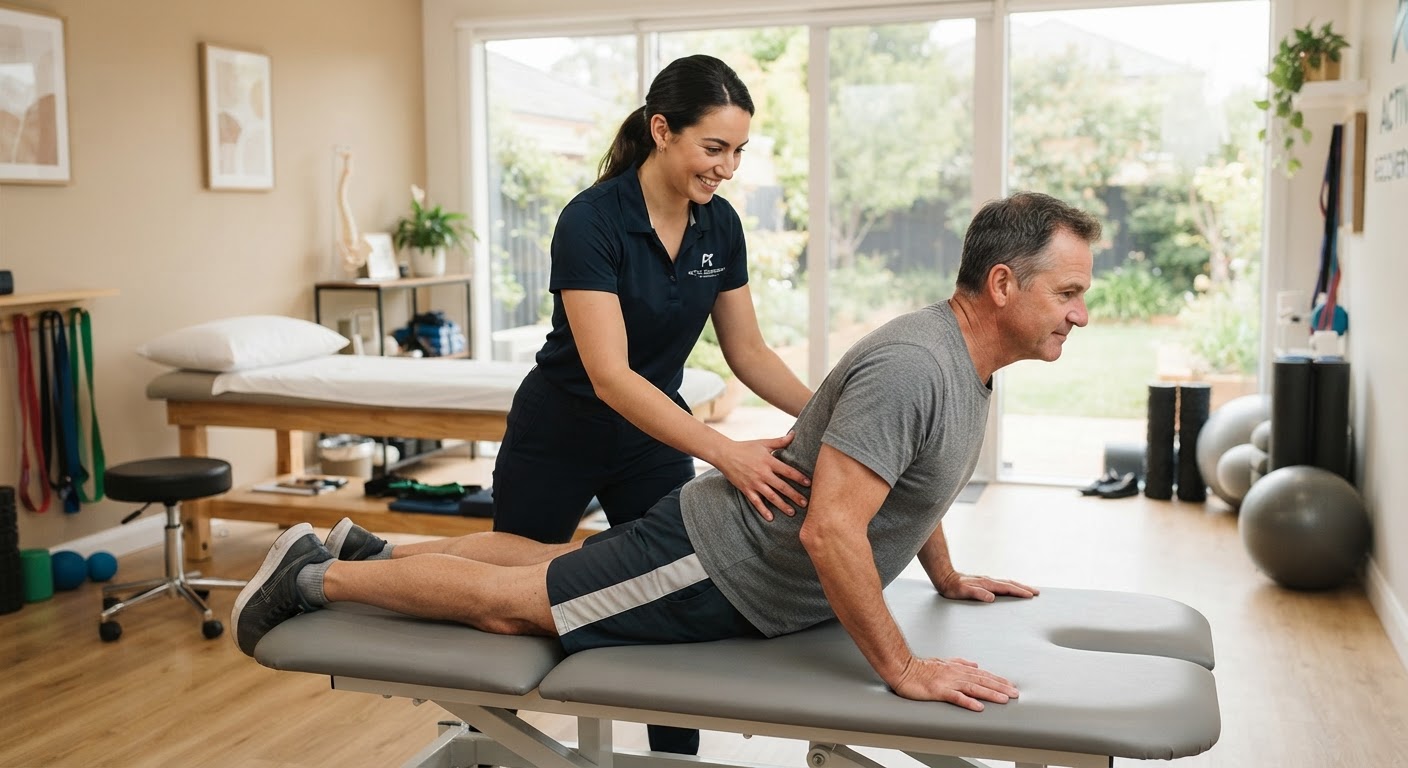
Chronic back pain can affect far more than your comfort. It may make it harder to sleep, work, exercise, or enjoy everyday activities. When pain keeps returning or limits your routine, physical therapy can offer a structured way to improve movement, build strength, and work toward meaningful pain relief. At Physical Therapy NOW™, care begins with understanding your goals and how back pain affects your life.
Understanding Chronic Back Pain
Back pain is often called chronic when it persists or repeatedly returns over an extended period. Its causes can vary, and symptoms do not always correspond directly to what an imaging test shows. Pain may be influenced by mobility, strength, activity habits, past injuries, stress, sleep, and other health factors. That is why a one-size-fits-all exercise routine may not be the right answer.
A physical therapist can discuss your health history, ask what activities are difficult, and assess how you move. This evaluation helps guide a rehabilitation plan that fits your needs, abilities, and comfort level. Your plan may change as you progress, so that exercises and activity goals remain appropriate.
How Physical Therapy Can Help
Physical therapy focuses on helping you move with greater confidence and participate in the activities that matter to you. Depending on your evaluation, treatment may include exercises to improve strength, flexibility, balance, or endurance. Your therapist may also work with you on movement techniques for tasks such as bending, lifting, walking, or sitting for longer periods.
Education is an important part of care. You can learn how to pace activities, recognize patterns that affect your symptoms, and make gradual adjustments instead of avoiding movement altogether. Hands-on techniques may be considered as one part of a broader plan when appropriate, but progress often depends on combining clinic visits with safe, consistent practice at home.
The aim is not simply to chase a temporary decrease in discomfort. A thoughtful rehabilitation program can help you build capacity, manage flare-ups, and return to valued activities at a pace that makes sense for you. Results differ from person to person, and your therapist can help set realistic goals and track progress.
Practical Steps You Can Try
Keep moving within your comfort level. Gentle walking or another low-impact activity may feel more manageable than staying still for long stretches. Start with an amount you can tolerate and increase gradually. If an activity causes a significant or lasting increase in symptoms, scale it back and discuss it with your care team.
Break up long periods of sitting. Change positions regularly, stand for a short walk, or try a brief stretch that feels comfortable. There is no single perfect posture for everyone; varying your position throughout the day can be more useful than trying to hold one rigid position.
Use a gradual approach to lifting. Bring an object close to your body, move steadily, and avoid rushing through a lift. When possible, divide a heavy load into smaller portions or ask for help. A physical therapist can coach you on lifting strategies for the tasks you do at home or work.
Pay attention to your activity patterns. A simple note of what you were doing, how long you did it, and how you felt afterward can help you spot useful trends. Share those observations with your therapist so your plan can be adjusted. Try not to interpret every brief symptom increase as a sign that movement has caused harm; instead, use your therapist’s guidance to decide what changes are appropriate.
Make home exercises realistic. Choose a consistent time and a space where you can move safely. Follow the exercise instructions provided for you rather than pushing through unfamiliar pain or copying a routine designed for someone else. If an exercise feels wrong, pause and ask your therapist how to modify it.
What To Expect From Rehabilitation
Progress is rarely a perfectly straight line. Some days may be easier than others, and improvements may show up as better sleep, longer walks, easier household tasks, or more confidence—not only as a change in pain. Share both improvements and setbacks during appointments. This information helps your therapist understand how your body responds and refine your plan.
At Physical Therapy NOW™, the Altamonte Springs location can help you explore a personalized approach to managing back pain. Your therapist can explain your options, answer questions, and help you identify practical next steps. Consistency matters, but your program should also fit your schedule and be manageable in everyday life.
When To Seek Medical Attention
Physical therapy is not a substitute for urgent medical care. Seek prompt medical attention for back pain accompanied by new loss of bowel or bladder control, numbness in the groin area, significant or progressive leg weakness, or symptoms after a serious injury. Contact a healthcare professional if you have concerns about your symptoms, including pain with fever, unexplained weight loss, or pain that is rapidly worsening. A clinician can help determine the appropriate next step.
Take The Next Step Toward Pain Relief
You do not have to navigate recurring back pain alone. With individualized physical therapy, practical education, and a gradual rehabilitation plan, you can work toward better movement and greater confidence in daily life. Contact Physical Therapy NOW™ to ask about an evaluation or discuss your goals. Visit or call the Altamonte Springs location in Altamonte Springs, FL, to take the next step toward a plan designed around you.
Ready to start feeling better?
Physical Therapy NOW™ has 40+ Florida locations with same-week appointments. Most insurance, auto accident (PIP), workers' compensation and Medicare accepted.