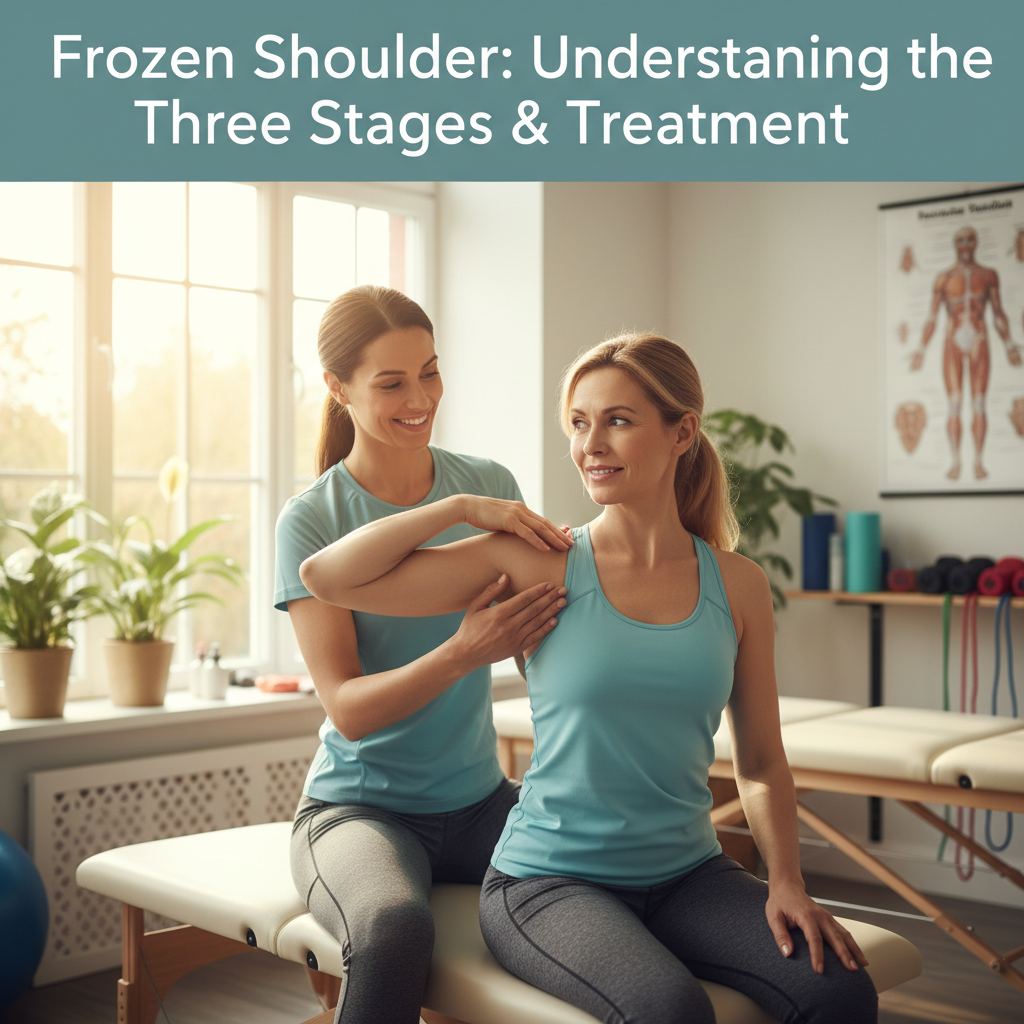
Frozen Shoulder: Understanding the Three Stages and Treatment
Adhesive capsulitis, commonly known as frozen shoulder, is a condition characterized by stiffness and pain in the shoulder joint. It develops when the connective tissue surrounding the shoulder joint, known as the joint capsule, thickens and tightens, restricting movement. This can make everyday activities, from reaching for objects to dressing, incredibly challenging and painful. Understanding frozen shoulder, its progression, and available treatments is key to effective management and recovery.
What is Frozen Shoulder?
Your shoulder is a ball-and-socket joint, where the head of your humerus (upper arm bone) fits into a shallow socket in your shoulder blade (scapula). This joint is enclosed by a strong capsule of connective tissue, lined with synovial fluid that helps lubricate the joint and allows smooth movement. In frozen shoulder, this capsule becomes inflamed, thickened, and scarred, leading to significant reduction in the joint's capacity and range of motion. The term 'frozen' accurately describes the progressive loss of movement experienced by individuals with this condition.
Common Causes and Risk Factors
The exact cause of frozen shoulder is not always clear, which is why it's often referred to as 'idiopathic' frozen shoulder. However, several factors are known to increase the risk of developing this condition:
Systemic Conditions: Diabetes is a significant risk factor, increasing the likelihood of developing frozen shoulder and often leading to more severe and prolonged cases. Thyroid disorders (hyperthyroidism and hypothyroidism), Parkinson's disease, and cardiac disease are also associated.
Immobility: Prolonged immobility of the shoulder, often due to injury (like a rotator cuff tear), surgery (e.g., mastectomy or open-heart surgery), or a stroke, can trigger frozen shoulder. When the shoulder isn't moved regularly, the capsule can start to stiffen.
Age and Gender: Frozen shoulder most commonly affects individuals between 40 and 60 years old, and it is more prevalent in women than in men.
Previous Injury or Surgery: While immobility is a risk, sometimes even without clear immobility, a past injury or surgery can precede the development of frozen shoulder.
Symptoms and Red Flags
The primary symptoms of frozen shoulder are pain and progressive loss of shoulder motion. Initially, the pain might be mild, but it typically worsens over time, especially at night or with movement. The restricted movement affects both active motion (moving the arm yourself) and passive motion (someone else moving your arm for you).
Red Flags Warranting Medical Evaluation:
Sudden, severe shoulder pain without an obvious injury. Pain that awakens you from sleep or interferes significantly with daily activities. Progressive loss of shoulder movement over weeks or months. Numbness, tingling, or weakness extending down the arm, which could indicate a nerve issue. Signs of infection, such as redness, warmth, swelling, or fever in conjunction with shoulder pain. These symptoms could be indicative of frozen shoulder or another serious condition, and a medical evaluation is crucial for accurate diagnosis.
Diagnosis of Frozen Shoulder
Diagnosing frozen shoulder typically involves a thorough physical examination by a healthcare professional. Your doctor or physical therapist will assess your active and passive range of motion, observe your posture, and palpate your shoulder for areas of tenderness. They will look for the hallmark characteristic of frozen shoulder: significantly restricted passive range of motion in multiple directions, particularly external rotation. They may also ask about your medical history and daily activities.
Imaging tests, such as X-rays, MRI, or ultrasound, may be used to rule out other conditions that can cause shoulder pain and stiffness, such as arthritis, rotator cuff tears, or bone spurs. While frozen shoulder itself doesn't typically show up on X-rays, these images can confirm the absence of other structural issues.
The Three Stages of Frozen Shoulder
Frozen shoulder typically progresses through three distinct stages, each with its own characteristics and recommended approach to treatment.
1. The Freezing Stage (Painful Stage)
Duration: Typically 2 to 9 months. Characteristics: This stage begins with a gradual onset of shoulder pain. The pain is often dull and aching, but it can worsen significantly at night and with movement. As the pain increases, the range of motion in the shoulder begins to decrease. Patients may notice difficulty with activities like reaching behind their back or overhead. The pain is the predominant symptom in this stage. What Helps: The primary goals in this stage are pain management and preserving as much motion as possible without aggravating the pain. Physical Therapy NOW™ focuses on gentle range of motion exercises (pendulums, finger walks), modalities like heat or ice, and manual therapy techniques designed to reduce pain and inflammation. Activity modification to avoid painful movements is also key. Your doctor may also recommend anti-inflammatory medications or corticosteroid injections to help manage pain and inflammation.
2. The Frozen Stage (Stiffening Stage)
Duration: Typically 4 to 12 months. Characteristics: In this stage, the pain may actually begin to subside or become less intense, but the stiffness becomes much more pronounced. The shoulder's range of motion is severely limited, making even simple tasks like fastening a seatbelt or combing hair extremely difficult. The joint capsule has thickened and tightened considerably. This is often the most frustrating stage for patients due to the significant functional limitations. What Helps: Physical therapy becomes even more critical in this stage. The focus shifts to restoring range of motion through more aggressive stretching and mobilization techniques. A physical therapist will use sustained stretching, joint mobilization (gentle gliding of the joint surfaces), and strengthening exercises for the surrounding muscles to support the improved motion. Manual therapy aims to gently break up adhesions and restore joint play. While challenging, consistent and appropriate exercise is vital for improving mobility.
3. The Thawing Stage (Resolution Stage)
Duration: Typically 5 to 24 months or longer. Characteristics: In this final stage, the shoulder's range of motion slowly and steadily begins to improve. The pain continues to decrease, and patients gradually regain their ability to perform daily activities. While significant improvement is seen, it's possible for some residual stiffness or limited range of motion to persist even after the thawing stage is complete. What Helps: The goal in the thawing stage is to fully restore range of motion, strength, and function. Physical therapy incorporates progressive strengthening exercises, advanced stretching, and functional activities tailored to the individual's needs. The therapist will guide you through exercises to rebuild muscle strength and endurance, ensuring optimal recovery and preventing recurrence. Continued adherence to a home exercise program is crucial for long-term success.
Physical Therapy's Role in Treatment
Physical therapy is the cornerstone of non-surgical treatment for frozen shoulder. A qualified physical therapist will develop an individualized treatment plan based on your specific stage of recovery, pain levels, and functional goals. Here's what you can expect:
Initial Assessment: A thorough evaluation to determine the stage of your frozen shoulder, identify movement limitations, and assess pain.
Pain Management: Utilizing modalities like heat, ice, electrical stimulation, or ultrasound to reduce pain and inflammation, especially in the freezing stage.
Manual Therapy: Hands-on techniques such as joint mobilizations to gently stretch the joint capsule and restore movement, and soft tissue massage to address muscle tightness.
Therapeutic Exercises: A progressive program of stretches and strengthening exercises. This will include passive, active-assistive, and active range of motion exercises to gradually increase mobility. Strengthening exercises target the rotator cuff and periscapular muscles to improve shoulder stability and function.
Patient Education: Guidance on proper posture, activity modification, self-care strategies, and a personalized home exercise program to ensure consistent progress.
Functional Training: Exercises that mimic daily activities to help you regain full independence and return to work, hobbies, and sports.
Realistic Recovery Timeframes
Frozen shoulder is known for its long recovery period. While individual experiences vary greatly, the entire process, from freezing through thawing, can take anywhere from 12 to 42 months, with an average often cited around 1 to 3 years. Consistent adherence to physical therapy and your home exercise program can significantly impact the speed and completeness of your recovery. While some individuals may experience full recovery, some may have minor residual limitations in range of motion.
When to Refer / When to Seek Care
For Patients: If you experience persistent shoulder pain accompanied by a noticeable and progressive loss of motion that interferes with your daily life, it is important to seek a medical evaluation. Early diagnosis can help manage symptoms and prevent prolonged suffering. Consult your primary care physician, an orthopedic specialist, or contact a physical therapist directly for an initial assessment.
For Referring Physicians: Consider referring patients for a physical therapy evaluation when they present with shoulder pain and a gradual, progressive loss of both active and passive range of motion, particularly external rotation. This is especially true if non-operative management, including corticosteroid injections, is being considered or has been initiated. Early referral to Physical Therapy NOW™ can help guide the patient through the various stages, optimize pain management, and accelerate recovery of function through targeted manual therapy and therapeutic exercise.
Coping and Self-Care
Living with frozen shoulder requires patience and consistency. Here are some self-care tips:
Consistent Home Exercise Program: Perform your prescribed exercises regularly, even on days when you feel discouraged.
Pain Management: Use ice or heat packs as recommended by your therapist. Over-the-counter pain relievers can help manage discomfort.
Activity Modification: Learn to adjust how you perform tasks to avoid aggravating pain. Your therapist can help you find alternative ways to move.
Stay Active (within limits): While avoiding painful movements, try to remain generally active to maintain overall fitness and blood flow.
Positive Mindset: Recovery is a journey. Celebrate small improvements and stay focused on your long-term goals.
Frozen shoulder can be a challenging condition, but with proper understanding, consistent physical therapy, and patience, significant recovery is possible. Taking an active role in your treatment plan will empower you on your path to regaining shoulder mobility and reducing pain. While the journey can be long, dedicated effort yields positive results.
Ready to feel better? Physical Therapy NOW™ has 40+ Florida locations, most with same-week appointments and no referral required in most cases.
Schedule now at https://physicaltherapynow.com/schedule · Call 800.481.4582
Ready to start feeling better?
Physical Therapy NOW™ has 40+ Florida locations with same-week appointments. Most insurance, auto accident (PIP), workers' compensation and Medicare accepted.