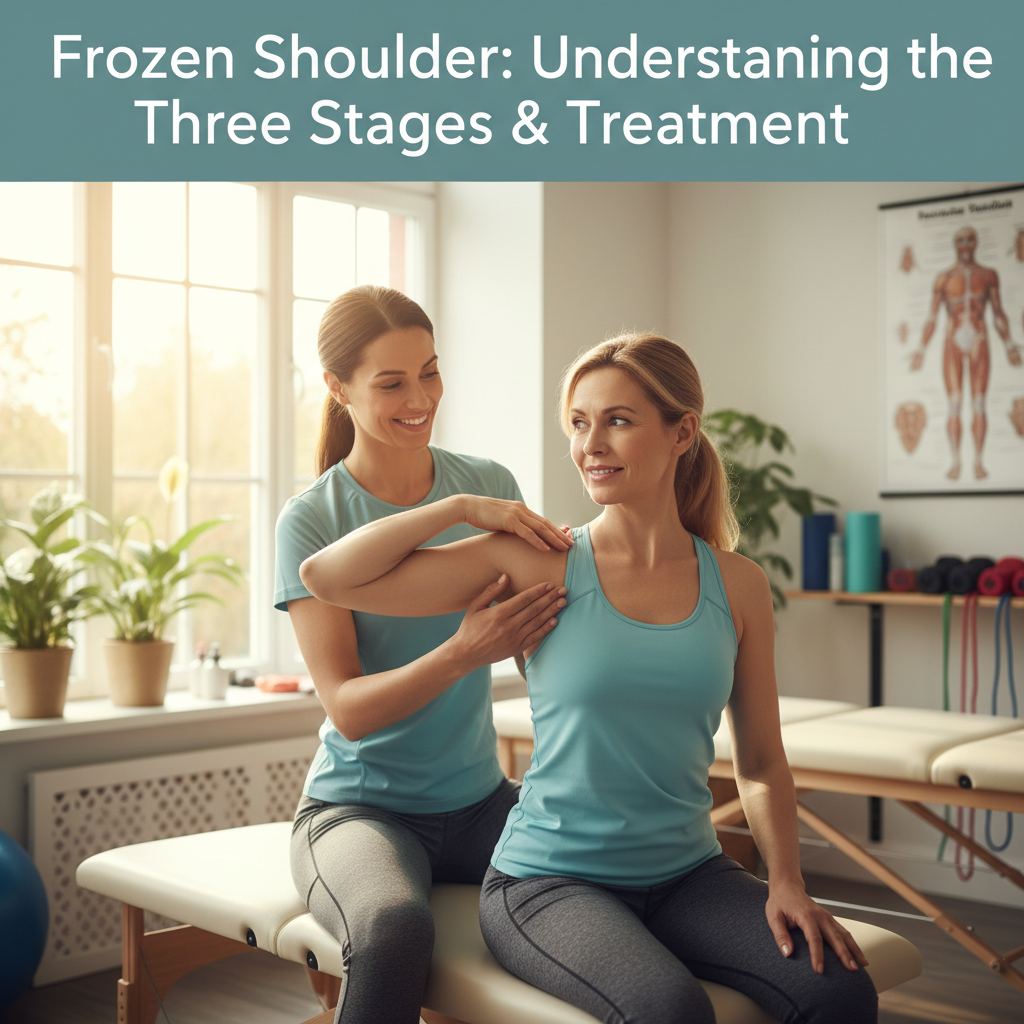
Frozen Shoulder: Understanding the Three Stages and What Helps in Each
Experiencing persistent shoulder pain and stiffness can be concerning, especially when it limits your daily activities. If your shoulder feels like it is gradually locking up, you might be dealing with a condition known as frozen shoulder, medically termed adhesive capsulitis. This condition affects the shoulder joint, causing significant pain and a progressive loss of motion. While it can be quite debilitating, understanding its natural progression through distinct stages and knowing how to manage each stage can lead to better outcomes.
What is Frozen Shoulder?
Frozen shoulder is a condition characterized by stiffness and pain in the shoulder joint. The capsule of connective tissue surrounding the shoulder joint, which normally helps stabilize the joint, becomes thickened, stiff, and inflamed. This restricts the glenohumeral joint's ability to move freely. It is not typically caused by a specific injury but rather develops gradually over time, often without an obvious trigger. The condition is more common in individuals between 40 and 60 years old and affects women more frequently than men.
Common Causes and Risk Factors
The exact cause of frozen shoulder is not fully understood, but certain factors increase the risk of developing it. These include:
Systemic Conditions: Diabetes is a significant risk factor, with individuals with diabetes having a higher likelihood of developing frozen shoulder. Other endocrine conditions like thyroid disorders (hypothyroidism and hyperthyroidism) are also associated.
Immobility: Prolonged immobilization of the shoulder due to injury, surgery (such as a rotator cuff repair or mastectomy), stroke, or a broken arm can increase the risk. This is because lack of movement can cause the shoulder capsule to tighten and scar.
Other Medical Conditions: Heart disease and Parkinson's disease have also been linked to an increased risk.
Symptoms and Red Flags
The primary symptoms of frozen shoulder are pain and a gradual loss of range of motion. The pain is often dull or aching and can worsen with movement or at night, disrupting sleep. The stiffness makes everyday tasks challenging, such as reaching overhead, behind the back, or out to the side.
Red flags that warrant medical evaluation include:
Sudden, severe shoulder pain without an obvious injury. Pain accompanied by numbness, tingling, or weakness in the arm or hand. Shoulder pain that does not improve with rest or over-the-counter pain relievers. Any associated fever, chills, or unexplained weight loss. Significant structural deformity around the shoulder.
These symptoms could indicate conditions other than frozen shoulder that require prompt medical attention.
How Frozen Shoulder is Typically Diagnosed
Diagnosis usually begins with a thorough medical history and physical examination. Your healthcare provider will assess your shoulder's range of motion, both actively (how far you can move it yourself) and passively (how far they can move it for you). A key characteristic of frozen shoulder is that both active and passive range of motion are significantly limited. Imaging tests like X-rays are often performed to rule out other problems such as arthritis or bone spurs. In some cases, an MRI may be used to further evaluate the soft tissues of the shoulder, though it's often not necessary for a diagnosis of adhesive capsulitis.
The Three Stages of Frozen Shoulder
Frozen shoulder typically progresses through three distinct stages, each with its own characteristics:
1. The Freezing Stage (Painful Stage)
This is the initial stage, which can last from six weeks to nine months. Pain is the predominant symptom, often worsening over time. Any movement of the shoulder can elicit pain, and it may be more intense at night. As the pain increases, the shoulder gradually loses range of motion. The shoulder capsule begins to thicken and contract during this phase, setting the stage for stiffness.
What Helps in the Freezing Stage:
Pain Management: Focus on managing pain with over-the-counter anti-inflammatory medications (as advised by your doctor), ice, or heat. Your physician may also recommend prescription pain relief. Gentle Movement: A physical therapist can guide you through very gentle, pain-free exercises to maintain as much motion as possible without aggravating the inflammation. The goal is to prevent further loss of motion without causing increased pain. Activity Modification: Avoiding movements that provoke pain is crucial. Modifying daily activities to protect the shoulder can help reduce irritation.
2. The Frozen Stage (Adhesive Stage)
This stage typically lasts from four to twelve months. The pain may actually begin to decrease during this phase, but the stiffness remains significant and can even worsen. The shoulder's range of motion is severely limited, making everyday tasks very difficult. The shoulder capsule has become very stiff and tight, hence the term “frozen.”
What Helps in the Frozen Stage:
Physical Therapy: This is a critical stage for intensive physical therapy. The focus shifts towards restoring range of motion. Techniques may include: Manual Therapy: Hands-on techniques such as joint mobilizations and soft tissue massage to gently stretch the tightened capsule and surrounding muscles. Therapeutic Exercises: Specific stretching and strengthening exercises to improve flexibility and build strength around the shoulder. These are carefully progressed to avoid over-irritation. Heat Application: Before exercises, heat can help relax the tissues and make stretching more effective. Education: Understanding proper posture and body mechanics to protect the shoulder during recovery.
3. The Thawing Stage (Recovery Stage)
This is the recovery phase, where shoulder motion slowly begins to return to normal. This stage can last anywhere from five months to two years, or even longer, from the onset of symptoms. The pain continues to subside, and the shoulder's flexibility gradually improves. While full recovery is common, some individuals may experience some residual stiffness or occasional pain.
What Helps in the Thawing Stage:
Continued Physical Therapy: Consistent adherence to a prescribed exercise program is essential. Exercises will focus on regaining full range of motion, improving strength, and restoring functional movement patterns. Progressive Strengthening: As mobility improves, strengthening exercises for the rotator cuff and periscapular muscles become more prominent to support the joint and prevent recurrence. Functional Training: Incorporating movements that mimic daily activities or sports to ensure the shoulder is ready for full participation. Home Exercise Program: A dedicated home exercise program is vital for long-term success and to maintain gains made in therapy.
When to Refer / When to Seek Care
Patients: If you experience persistent shoulder pain and increasing stiffness that makes daily tasks challenging, it is important to seek medical evaluation. Early diagnosis and intervention can significantly improve outcomes. A physical therapist can conduct an initial assessment and collaborate with your physician as needed.
Physicians: Consider referring patients with suspected frozen shoulder for a comprehensive physical therapy evaluation, especially in the freezing and frozen stages. Physical Therapy NOW™ offers evidence-based interventions tailored to each stage, aiming to reduce pain, restore mobility, and improve functional independence. Early physical therapy can often reduce the need for more invasive procedures.
How Physical Therapy NOW™ Treats Frozen Shoulder
At Physical Therapy NOW™, our approach to treating frozen shoulder is comprehensive and individualized, evolving as you progress through each stage. Our skilled physical therapists conduct a thorough evaluation to determine your specific needs and develop a personalized treatment plan. Throughout all stages, we emphasize patient education, empowering you with knowledge about your condition and strategies for self-management.
Our interventions may include:
Manual Therapy: Gentle joint mobilizations to improve joint play and reduce stiffness, along with soft tissue mobilization to address muscle tightness and adhesions. Therapeutic Exercises: A carefully progressed program of stretching exercises to restore range of motion and strengthening exercises to improve shoulder stability and function. Modalities: Use of heat, ice, or electrical stimulation as appropriate to manage pain and inflammation. Posture and Ergonomic Education: Guidance on maintaining proper posture and modifying activities to protect your shoulder and prevent aggravation. Home Exercise Program: Detailed instructions and ongoing support for exercises you can perform at home to complement your in-clinic therapy.
Realistic Recovery Timeframes
It is important to have realistic expectations. Frozen shoulder is a condition that requires patience and consistent effort. While some improvement may be felt relatively quickly, full recovery can take a significant amount of time, often ranging from 1 to 3 years from the onset of symptoms. Adherence to your physical therapy program and consistent home exercises are key factors in achieving the best possible outcome.
Living with frozen shoulder can be frustrating, but understanding its stages and actively participating in your recovery journey can make a significant difference. Physical therapy is a cornerstone of effective treatment, guiding you through each phase with targeted interventions to reduce pain and restore function. With dedication and professional guidance, you can regain much of your shoulder's mobility and return to your daily activities with greater ease.
Ready to feel better? Physical Therapy NOW™ has 40+ Florida locations, most with same-week appointments and no referral required in most cases.
Schedule now at https://physicaltherapynow.com/schedule · Call 800.481.4582
Ready to start feeling better?
Physical Therapy NOW™ has 40+ Florida locations with same-week appointments. Most insurance, auto accident (PIP), workers' compensation and Medicare accepted.