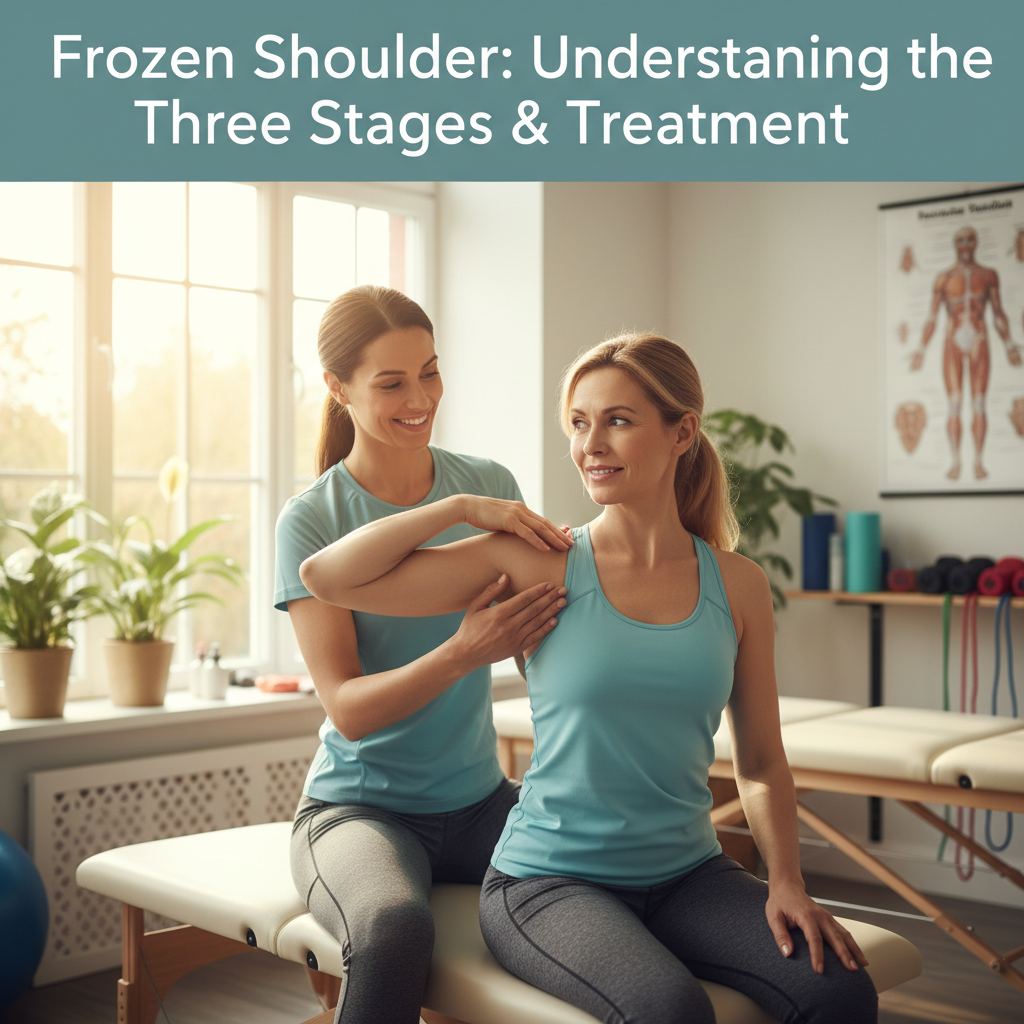
Frozen Shoulder: Understanding Its Stages and Effective Treatment
Experiencing persistent shoulder pain and stiffness can be debilitating, limiting everyday activities and impacting quality of life. One common condition that presents with these symptoms is frozen shoulder, medically known as adhesive capsulitis. This condition causes the connective tissue surrounding the shoulder joint, called the joint capsule, to thicken, tighten, and become inflamed, restricting movement.
What Exactly Is Frozen Shoulder?
Frozen shoulder is characterized by progressive stiffness and pain in the shoulder joint. It develops when the joint capsule, which normally allows for smooth movement, becomes inflamed, scarred, and contracts. This leads to a significant reduction in both active (what you can move on your own) and passive (what someone else can move for you) range of motion. Unlike many other shoulder conditions that might only affect certain movements, frozen shoulder typically impacts all directions of shoulder motion, especially external rotation, abduction (raising the arm out to the side), and internal rotation.
Common Causes and Risk Factors
The exact cause of primary frozen shoulder (idiopathic adhesive capsulitis) is often unknown. However, several risk factors are commonly associated with its development:
Diabetes: Individuals with diabetes are at a significantly higher risk of developing frozen shoulder, and often experience more severe symptoms and a longer recovery period.
Other Systemic Diseases: Conditions such as thyroid disease (hypothyroidism or hyperthyroidism), Parkinson's disease, and cardiac disease have been linked to an increased risk.
Immobilization: Prolonged immobilization of the shoulder due to injury, surgery, or stroke can trigger frozen shoulder. This is often referred to as secondary adhesive capsulitis.
Age and Gender: It most commonly affects individuals between 40 and 60 years old, and women are more frequently affected than men.
Shoulder Trauma or Surgery: While immobilization after trauma or surgery is a risk factor, sometimes frozen shoulder can develop without clear cause following such events.
Symptoms and Red Flags for Medical Evaluation
Symptoms of frozen shoulder typically develop gradually and worsen over time. The primary symptoms include significant shoulder pain and a progressive loss of range of motion. Red flags that warrant immediate medical evaluation include:
Sudden, severe shoulder pain following an injury or trauma. Pain accompanied by numbness, tingling, or weakness radiating down the arm. Fever, chills, or unexplained weight loss in conjunction with shoulder pain. Shoulder pain that awakens you at night and is not relieved by position changes. Any signs of infection around the shoulder joint (redness, warmth, swelling). Inability to move the arm at all.
How Frozen Shoulder is Typically Diagnosed
Diagnosis usually begins with a thorough physical examination by a healthcare professional. They will assess your range of motion, observe your posture, and palpate the shoulder area for tenderness. They will look for a characteristic pattern of restricted movement where both active and passive ranges of motion are limited. Imaging tests are often used to rule out other conditions that can cause similar symptoms, such as rotator cuff tears or arthritis.
X-rays: These can help rule out arthritis or bone spurs.
MRI (Magnetic Resonance Imaging): An MRI can provide detailed images of soft tissues, helping to confirm the thickening and inflammation of the joint capsule and rule out rotator cuff tears or other soft tissue pathologies.
Ultrasound: This imaging technique can also be used to evaluate soft tissues and assess fluid within the joint.
The Three Stages of Frozen Shoulder
Frozen shoulder typically progresses through three distinct stages, each with its own characteristics regarding pain and range of motion. Understanding these stages is crucial for effective treatment planning.
Stage 1: The Freezing Stage (Painful Stage)
Duration: Typically lasts from 2 to 9 months.
Characteristics: This stage is marked by the gradual onset of pain, which can be constant and often worsens at night. As the pain increases, the shoulder gradually loses range of motion. Patients might describe a dull ache, but sharp pain can occur with sudden movements. Activities like reaching overhead or behind the back become increasingly difficult. Many individuals may initially believe they have a different injury or simply overworked their shoulder.
What Helps:
Pain Management: Focus on managing pain through modalities such as heat or ice, and prescribed anti-inflammatory medications. Gentle, pain-free range of motion exercises may be introduced to maintain as much mobility as possible without aggravating symptoms.
Education: Understanding the condition and its natural progression is vital.
Activity Modification: Avoiding activities that provoke severe pain is important.
Stage 2: The Frozen Stage (Stiff Stage)
Duration: Can last anywhere from 4 to 12 months.
Characteristics: In this stage, pain may begin to subside, but the stiffness and loss of range of motion become more pronounced and persistent. The shoulder becomes severely restricted, often described as
Ready to feel better? Physical Therapy NOW™ has 40+ Florida locations, most with same-week appointments and no referral required in most cases.
Schedule now at https://physicaltherapynow.com/schedule · Call 800.481.4582
Ready to start feeling better?
Physical Therapy NOW™ has 40+ Florida locations with same-week appointments. Most insurance, auto accident (PIP), workers' compensation and Medicare accepted.