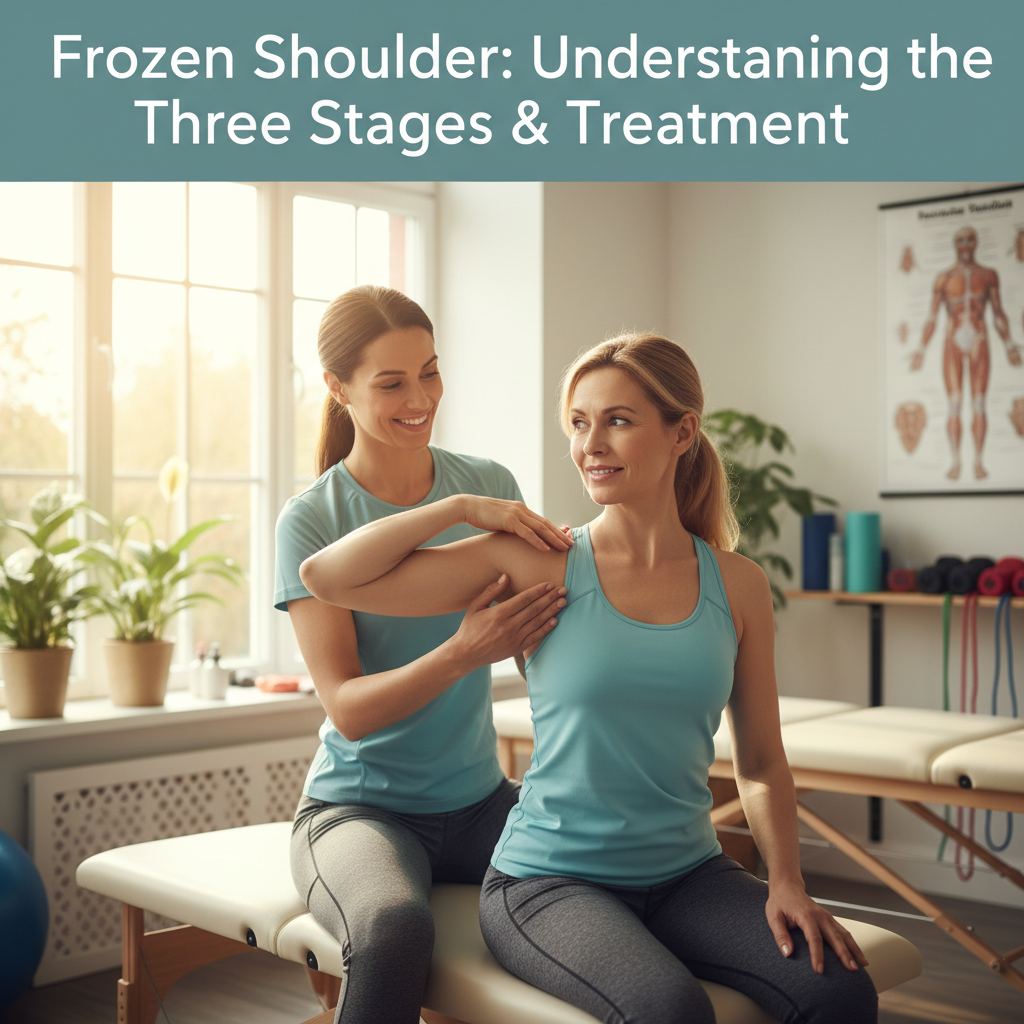
Frozen Shoulder: Understanding Its Three Stages and Treatment
Frozen shoulder, medically known as adhesive capsulitis, is a common and often debilitating condition characterized by stiffness and pain in the shoulder joint. It affects the capsule surrounding the shoulder joint, causing it to thicken, tighten, and restrict movement. This condition can significantly impact daily activities, making simple tasks like reaching overhead or dressing challenging.
What is Frozen Shoulder?
The shoulder is a ball-and-socket joint, where the head of the humerus (arm bone) fits into the glenoid fossa of the scapula (shoulder blade). Surrounding this joint is a strong connective tissue called the shoulder capsule. In frozen shoulder, this capsule becomes inflamed, scarred, and contracts, drastically limiting the shoulder's range of motion.
Common Causes and Risk Factors
The exact cause of primary frozen shoulder (idiopathic adhesive capsulitis) is often unknown. However, certain factors increase the risk of developing it:
Systemic Conditions: Diabetes is a significant risk factor, with a higher prevalence and often more severe symptoms in diabetic individuals. Thyroid disorders, Parkinson's disease, and cardiac disease also increase risk.
Immobilization: Prolonged immobilization of the shoulder due to injury (like a rotator cuff tear or fracture), surgery, or stroke can lead to secondary frozen shoulder.
Age and Gender: It most commonly affects individuals between 40 and 60 years old, and women are more prone to developing it than men.
Previous Episodes: Having frozen shoulder in one shoulder increases the likelihood of developing it in the other shoulder at some point.
Symptoms and Red Flags for Medical Evaluation
The hallmark symptoms of frozen shoulder are progressive pain and stiffness that worsen over time, severely restricting both active (when you try to move it yourself) and passive (when someone else moves it for you) range of motion. Key red flags that warrant medical evaluation include:
Persistent, worsening shoulder pain that doesn't improve with rest or over-the-counter pain relievers. Significant loss of shoulder motion, making everyday tasks difficult or impossible. Night pain that disrupts sleep. Any associated neurological symptoms like numbness, tingling, or weakness down the arm, which could indicate a different or co-existing condition.
How is Frozen Shoulder Typically Diagnosed?
Diagnosis usually begins with a thorough medical history and a physical examination. A healthcare professional will assess your shoulder's range of motion, observe your posture, and palpate the joint for tenderness. The defining characteristic is a global restriction of both active and passive motion. Imaging tests may be used to rule out other conditions:
X-rays: To rule out arthritis or bone spurs. MRI: Can show thickening and inflammation of the shoulder capsule, and help identify other soft tissue injuries.
The Three Stages of Frozen Shoulder
Frozen shoulder typically progresses through three distinct stages, each with its own characteristics and recommended approaches:
Stage 1: The Freezing Stage (Painful Stage)
Duration: Typically 6 weeks to 9 months. Characteristics: This stage is marked by gradual onset of pain, often worsening at night and with movement. As pain increases, the shoulder gradually loses range of motion. People often try to protect the shoulder by limiting movement, which can inadvertently contribute to further stiffness. Self-Care Guidance: Gentle pain management through ice or heat, and avoiding movements that aggravate pain. It's crucial to not completely immobilize the shoulder, but rather to find a balance of gentle, pain-free movement to prevent further stiffening.
Stage 2: The Frozen Stage (Stiffening Stage)
Duration: Typically 4 to 12 months. Characteristics: Pain may begin to subside during this stage, but the stiffness becomes more pronounced and severe. The shoulder's range of motion is significantly limited, impacting most daily activities. This stage can be frustrating as functional limitations are at their peak. Self-Care Guidance: Continue gentle pain management. Focus on maintaining any available motion within pain-free limits. Avoid forceful stretching that causes sharp pain.
Stage 3: The Thawing Stage (Recovery Stage)
Duration: Typically 5 months to 2 years, or sometimes longer. Characteristics: During this final stage, the shoulder's range of motion gradually begins to improve. Pain often diminishes significantly or resolves completely. While motion may not return to 100% for everyone, most individuals regain significant function. Self-Care Guidance: Gradually increase activity levels and engage in regular, consistent exercises to restore strength and full range of motion as tolerated.
How Physical Therapy Treats Frozen Shoulder
Physical therapy is the cornerstone of conservative management for frozen shoulder, playing a vital role in every stage. At Physical Therapy NOW™, our experienced therapists develop individualized treatment plans focused on managing pain, restoring motion, and improving function.
Phase 1: Freezing Stage Interventions
Pain Management: Modalities like ice, heat, electrical stimulation, and gentle massage to reduce pain and inflammation. Gentle Range of Motion Exercises: Pendulum exercises, passive and active-assisted range of motion, focusing on pain-free movement to prevent further stiffness. Education: Guidance on activity modification and proper body mechanics to protect the shoulder.
Phase 2: Frozen Stage Interventions
Manual Therapy: Skilled hands-on techniques, including joint mobilizations and soft tissue massage, to gently stretch the capsule and improve mobility. Therapeutic Exercises: Progressive stretching exercises to increase range of motion, always respecting the patient's pain tolerance. These may include wall slides, pulley exercises, and internal/external rotation stretches. Strengthening: As pain allows, light strengthening exercises for the rotator cuff and scapular stabilizers to support the joint.
Phase 3: Thawing Stage Interventions
Advanced Strengthening: Progressing to more challenging exercises for shoulder stability, strength, and endurance. Functional Training: Incorporating exercises that mimic daily activities and sport-specific movements to ensure a full return to prior functional levels. Home Exercise Program Advancement: Regularly updating and progressing the home exercise program to maintain gains and prevent recurrence.
Realistic Recovery Timeframes
Full recovery from frozen shoulder can be a lengthy process, often taking 1 to 3 years from onset to full resolution, and sometimes longer. Consistency with physical therapy and adherence to home exercise programs are crucial for optimizing recovery and minimizing the duration of symptoms. While a complete return to pre-condition mobility is the goal, some individuals may experience minor residual stiffness.
When to Refer / When to Seek Care
For Patients: If you experience persistent shoulder pain and significant loss of motion that impacts your daily life, especially if symptoms do not improve with rest or over-the-counter remedies, it's essential to seek medical evaluation. Early diagnosis can help guide appropriate interventions.
For Referring Physicians: Consider referring patients for a physical therapy evaluation if they present with gradual onset of shoulder pain, progressive loss of both active and passive range of motion, and suspicion of adhesive capsulitis. Physical therapy is often the first-line treatment and can significantly improve outcomes, potentially preventing the need for more invasive procedures. If a patient is not responding to conservative care within a reasonable timeframe, or if there are red flag symptoms, further medical investigation or specialist referral may be warranted.
Frozen shoulder can be a challenging condition, but with proper understanding and consistent physical therapy, significant relief and recovery are achievable. Remember that patience and adherence to your treatment plan are key to navigating the three stages and regaining your shoulder's function. The dedicated team at Physical Therapy NOW™ is committed to guiding you through each step of your recovery journey.
Ready to feel better? Physical Therapy NOW™ has 40+ Florida locations, most with same-week appointments and no referral required in most cases.
Schedule now at https://physicaltherapynow.com/schedule · Call 800.481.4582
Ready to start feeling better?
Physical Therapy NOW™ has 40+ Florida locations with same-week appointments. Most insurance, auto accident (PIP), workers' compensation and Medicare accepted.