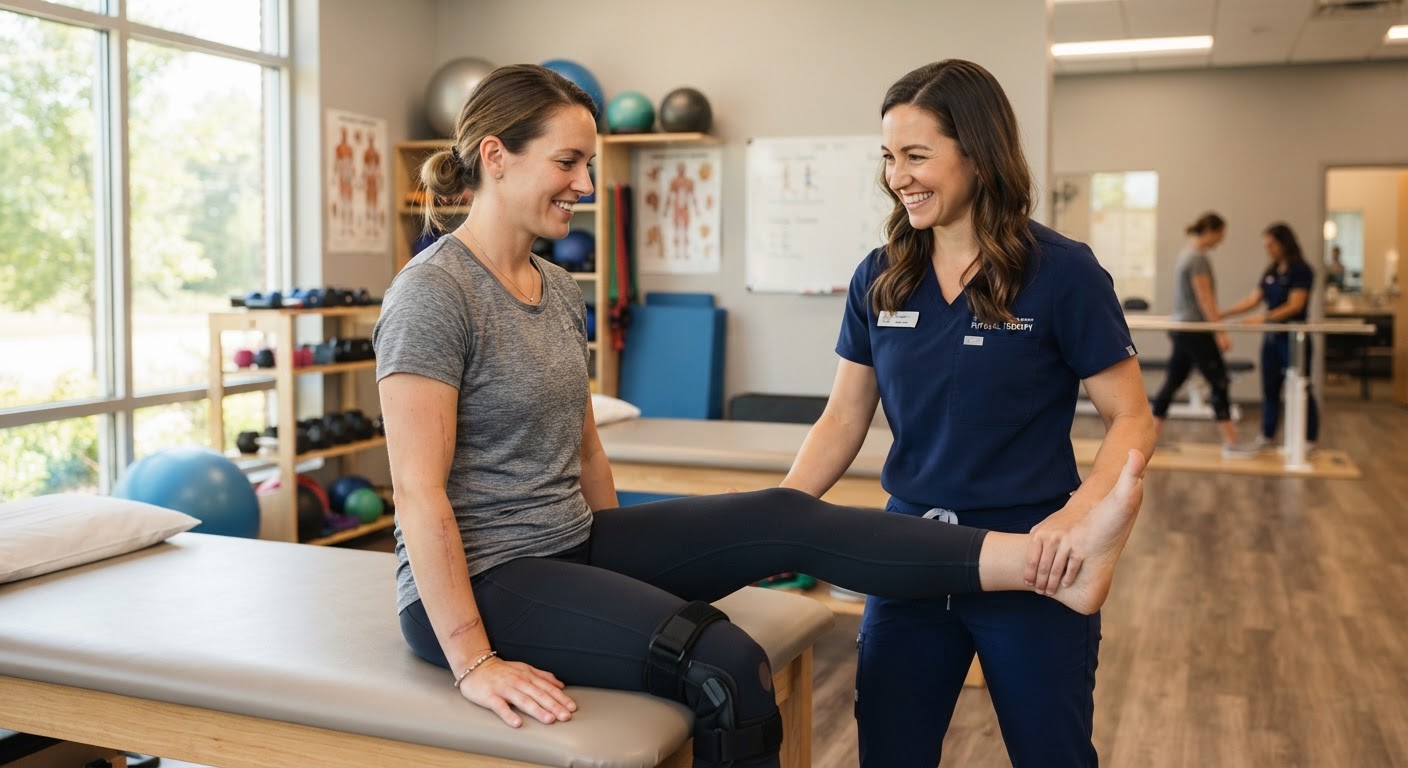
The First 14 Days After a Car Accident: Why Early Physical Therapy Matters
A car accident can be a jarring and traumatic experience, often leaving individuals with a mix of physical and emotional distress. While some injuries are immediately apparent, others may manifest days or even weeks later. The initial days following an accident, particularly the first 14, are critically important for evaluating injuries and initiating appropriate care. This period is often a crucial window for intervention, and early physical therapy can significantly impact the long-term recovery trajectory.
Understanding Common Car Accident Injuries
Car accidents can cause a wide range of injuries, even in seemingly minor collisions. The sudden forces involved can lead to soft tissue damage, joint sprains, nerve irritation, and muscle strains. Here are some of the most common injuries observed:
Whiplash Associated Disorders (WAD): This is perhaps the most well-known car accident injury, resulting from the rapid back-and-forth movement of the head and neck. It can affect muscles, ligaments, discs, and nerves in the cervical spine.
Soft Tissue Injuries: These include sprains (ligament damage) and strains (muscle or tendon damage) in areas like the back, shoulders, knees, and ankles. The impact can overstretch or tear these tissues.
Herniated or Bulging Discs: The force of an impact can cause the soft discs between vertebrae to bulge or rupture, potentially putting pressure on spinal nerves.
Concussion/Mild Traumatic Brain Injury (MTBI): Even without direct head impact, the brain can sustain injury from rapid acceleration and deceleration. Symptoms may be subtle and delayed.
Fractures: While less common in low-impact accidents, fractures to bones in the extremities, ribs, or spine can occur.
Common Causes of These Injuries
The primary cause of these injuries is the transfer of kinetic energy during a collision. When a vehicle rapidly accelerates or decelerates, the occupants' bodies are subjected to significant forces. These forces can hyperextend or hyperflex joints, compress or stretch soft tissues beyond their normal limits, and cause internal structures to impact against one another or against the vehicle's interior. Even a minor fender bender can generate enough force to cause whiplash, as the body is often unprepared for the sudden jolt.
Symptoms and Red Flags That Warrant Medical Evaluation
It is imperative to seek medical attention promptly after any car accident, even if you feel fine. Some symptoms may not appear immediately due to adrenaline or delayed inflammatory responses. Look out for:
Pain: Any new or worsening pain, especially in the neck, back, shoulders, or head.
Stiffness: Reduced range of motion in the neck, back, or other joints.
Headaches: New onset headaches, especially if persistent or severe.
Numbness, Tingling, or Weakness: These symptoms, particularly radiating down an arm or leg, can indicate nerve involvement.
Dizziness or Vertigo: Could be a sign of whiplash, concussion, or inner ear disturbance.
Blurred Vision or Sensitivity to Light: Potential concussion symptoms.
Difficulty Concentrating or Memory Lapses: Also potential signs of concussion.
Swelling or Bruising: Visible signs of trauma.
Red Flags: If you experience sudden, severe pain, loss of consciousness, significant weakness, difficulty walking, or changes in bowel/bladder function, seek emergency medical care immediately.
How Injuries Are Typically Diagnosed
Diagnosis usually begins with a thorough medical history and physical examination. Your healthcare provider will ask about the accident, your symptoms, and perform tests to assess your range of motion, strength, reflexes, and sensation. Imaging studies may be ordered depending on the findings:
X-rays: To rule out fractures or significant spinal misalignment.
MRI (Magnetic Resonance Imaging): Excellent for visualizing soft tissues like ligaments, tendons, muscles, and intervertebral discs, and for detecting nerve compression.
CT Scan (Computed Tomography): Often used in emergencies or when greater detail of bone is needed, especially in suspected head injuries.
Electromyography (EMG) and Nerve Conduction Studies (NCS): May be used later if nerve damage is suspected, to assess nerve function.
The Role of Physical Therapy NOW™ in Early Treatment
Once a medical diagnosis is established and acute conditions are ruled out, physical therapy often becomes a cornerstone of recovery. Early intervention, ideally within the first 14 days, is paramount. At Physical Therapy NOW™, we focus on a comprehensive approach to address not only your symptoms but also the underlying biomechanical issues caused by the accident.
Phases of Care:
Acute Phase (Days 1-14): The primary goals are to manage pain and inflammation, protect injured tissues, and restore basic mobility. Interventions may include gentle manual therapy techniques, therapeutic modalities (like ice or heat), and light, pain-free range-of-motion exercises.
Subacute Phase (Weeks 2-6): As pain decreases, the focus shifts to restoring full range of motion, improving strength, and addressing muscle imbalances. This phase introduces progressive therapeutic exercises, more aggressive manual therapy, and neuromuscular re-education.
Remodeling/Recovery Phase (Beyond 6 Weeks): This phase emphasizes functional strength, endurance, and return to prior activity levels. Sport-specific or work-specific rehabilitation may be incorporated to ensure a safe and complete return to daily life.
Example Interventions:
Manual Therapy: Hands-on techniques such as mobilization, manipulation, and soft tissue massage to reduce pain, improve joint mobility, and decrease muscle tension.
Therapeutic Exercise: Customized exercises to strengthen weakened muscles, stretch tight tissues, and improve flexibility, balance, and coordination.
Neuromuscular Re-education: Exercises to re-train the nervous system and muscles to work together efficiently, improving stability and movement patterns.
Modalities: Use of ice, heat, electrical stimulation, or ultrasound to manage pain, reduce inflammation, and promote tissue healing.
Patient Education: Understanding your injury, proper posture, body mechanics, and pain management strategies is crucial for active participation in your recovery.
Realistic Recovery Timeframes
Recovery time varies significantly based on the severity and type of injury, individual health factors, and adherence to the treatment plan. While some minor injuries may resolve in a few weeks, more complex cases, such as moderate whiplash or disc injuries, can take several months. Early and consistent physical therapy generally leads to faster and more complete recovery, reducing the risk of chronic pain and long-term disability. Your physical therapist will provide a personalized prognosis and timeline.
When to Refer / When to Seek Care
For Physicians: Consider referring patients to physical therapy as soon as acute medical concerns (e.g., fractures requiring surgical intervention, severe neurological deficits) have been addressed or ruled out. Early referral can prevent chronicity, reduce reliance on medication, and optimize recovery outcomes.
For Patients: Seek medical evaluation immediately after a car accident, even if you feel no pain. If you experience any pain, stiffness, numbness, headaches, or dizziness within the first few days or weeks, consult your doctor. Once medically cleared, ask your physician about starting physical therapy promptly. The sooner you begin, the better your chances of a full and swift recovery.
Practical, Actionable Self-Care Guidance
During the initial days and throughout your physical therapy journey, these self-care tips can be helpful:
Rest, but Don't Be Immobile: While some rest is necessary, prolonged bed rest can hinder recovery. Your physical therapist will guide you on appropriate activity levels.
Apply Ice or Heat: Use ice packs for acute pain and swelling (first 48-72 hours), and heat for muscle stiffness or chronic aches. Follow your therapist's recommendations.
Maintain Good Posture: Be mindful of your posture, especially when sitting or using electronic devices, to minimize strain on your neck and back.
Gentle Movement: Perform the gentle exercises your physical therapist recommends consistently. Avoid movements that significantly increase pain.
Stay Hydrated and Eat Nutritiously: Support your body's healing process with a healthy diet and adequate water intake.
Manage Stress: Car accidents are stressful. Practice relaxation techniques like deep breathing or gentle stretching to help manage emotional tension.
Follow Medical Advice: Adhere to all instructions from your doctor and physical therapist regarding medication, activity restrictions, and exercise.
Don't delay seeking care after a car accident. The early days are a critical window that can significantly influence your recovery. By prioritizing prompt medical evaluation and engaging in early physical therapy, you set the foundation for healing and regaining your quality of life. Take proactive steps towards your health and well-being after an accident.
Ready to feel better? Physical Therapy NOW™ has 40+ Florida locations, most with same-week appointments and no referral required in most cases.
Schedule now at https://physicaltherapynow.com/schedule · Call 800.481.4582
Ready to start feeling better?
Physical Therapy NOW™ has 40+ Florida locations with same-week appointments. Most insurance, auto accident (PIP), workers' compensation and Medicare accepted.