The Impact of a Car Accident on Your Body
Car accidents, even seemingly minor ones, can have a profound and often immediate impact on the human body. The sudden forces involved – acceleration, deceleration, and direct impact – can cause a wide range of injuries, some of which may not present with obvious symptoms for hours or even days. Understanding the potential for injury and acting quickly can significantly influence your recovery trajectory.
Common Causes of Injury in Car Accidents
During a car accident, the body is subjected to forces it is not designed to withstand. This can lead to injuries in various ways:
Whiplash: This common injury occurs when the head is suddenly jerked forward and backward, stretching and straining the muscles, ligaments, and soft tissues of the neck. It is a classic example of an acceleration-deceleration injury.
Direct Impact Trauma: Contact with the steering wheel, dashboard, airbag, seatbelt, or other interior components can cause contusions, fractures, or dislocations. The force of impact can also directly damage internal organs.
Seatbelt Injuries: While seatbelts save lives, the force exerted by a seatbelt across the chest and abdomen can lead to bruising, rib fractures, and, in some cases, internal injuries.
Spinal Compression or Twisting: The sudden movement can compress vertebrae or cause rotational forces on the spine, leading to herniated discs, sprains, or strains in the neck and back.
Extremity Injuries: Arms and legs can be fractured, dislocated, or sprained as they brace for impact or are flung within the vehicle cabin.
Head Injuries: Even without direct impact to the head, the brain can experience movement within the skull, potentially leading to concussions or other traumatic brain injuries.
Symptoms and Red Flags Warranting Medical Evaluation
It is crucial to recognize that symptoms may not always appear immediately after an accident. Adrenaline can mask pain, delaying the onset of discomfort for 24 to 72 hours, or even longer. However, certain symptoms should always prompt immediate medical attention:
Neck Pain or Stiffness: Especially if accompanied by reduced range of motion.
Back Pain: Localized or radiating pain in the upper, middle, or lower back.
Headaches: New or worsening headaches, particularly if accompanied by dizziness, nausea, or sensitivity to light/sound.
Numbness, Tingling, or Weakness: In the arms, hands, legs, or feet, which could indicate nerve involvement.
Muscle Spasms: In the neck or back.
Bruising or Swelling: Especially if significant or rapidly developing.
Abdominal Pain or Tenderness: Could indicate internal injuries.
Changes in Vision or Hearing: Any new sensory disturbances.
Difficulty Concentrating or Memory Issues: Potential signs of a concussion.
It is always advisable to seek a medical evaluation promptly after an accident, even if you feel fine. A physician can assess for immediate and subtle injuries.
How Injuries Are Typically Diagnosed
Diagnosis usually begins with a thorough medical history and physical examination. Your healthcare provider will ask about the accident, your symptoms, and perform tests to assess range of motion, muscle strength, reflexes, and sensation. Depending on the findings, imaging studies may be ordered:
X-rays: To identify fractures or dislocations.
Magnetic Resonance Imaging (MRI): Excellent for visualizing soft tissues like ligaments, tendons, muscles, and intervertebral discs, helping to detect whiplash-associated disorders, disc herniations, or muscle tears.
Computed Tomography (CT) Scans: Useful for detailed bone imaging and sometimes to assess for internal bleeding.
Early Physical Therapy: A Critical Intervention
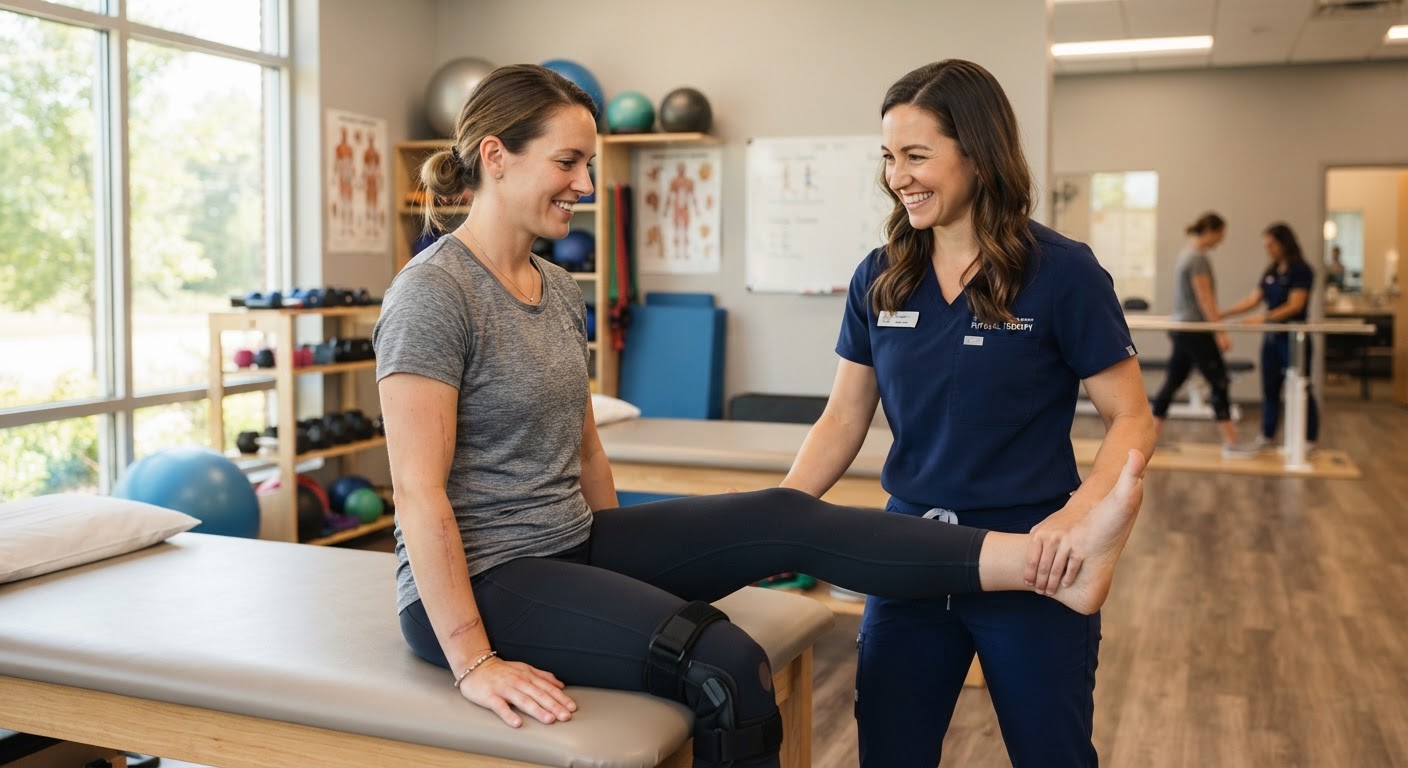
The first 14 days following a car accident are a critical window for initiating physical therapy. This early intervention is not about pushing through pain, but about guided, therapeutic movement and strategic care that can significantly influence the recovery process. The goal is to manage inflammation, restore mobility, reduce pain, and prevent the development of chronic conditions.
Phases of Care in Early Physical Therapy
Acute Phase (Days 1-7, approximately):
Goals: Pain reduction, inflammation control, protecting the injured area, gentle restoration of motion.
Interventions: Your physical therapist may use modalities like ice, heat, gentle massage, and electrical stimulation to manage pain and swelling. Education on proper posture, body mechanics, and how to protect the injured area during daily activities is crucial. Gentle, pain-free range-of-motion exercises will be introduced.
Subacute Phase (Days 7-14, approximately, and beyond):
Goals: Gradually increasing range of motion, improving flexibility, beginning to restore strength, improving proprioception (the body's awareness in space).
Interventions: As pain and inflammation subside, your therapist will progress exercises. This might include more active stretching, light strengthening exercises targeting weakened muscles, and exercises to improve balance and coordination. Manual therapy techniques, such as joint mobilization, may be employed to address stiffness and improve joint mechanics. Education on avoiding re-injury and gradually resuming light activities is ongoing.
Example Interventions:
Therapeutic Exercises: Customized exercises designed to restore strength, flexibility, and range of motion.
Manual Therapy: Hands-on techniques to mobilize joints, release muscle tension, and reduce pain.
Modalities: Use of ice, heat, electrical stimulation, or ultrasound to manage pain and inflammation.
Postural Correction and Ergonomics: Guidance on maintaining proper posture and modifying activities to reduce stress on injured areas.
Neuromuscular Re-education: Exercises to improve balance, coordination, and the body's control over movement.
Realistic Recovery Timeframes
Recovery from car accident injuries is highly individual and depends on the severity and type of injury, as well as the individual's overall health. However, early and consistent physical therapy generally leads to better outcomes and shorter recovery times. While some mild whiplash symptoms might resolve in a few weeks, more significant injuries can take several months to fully recover. Adhering to your physical therapist's plan is key to achieving optimal results.
Practical, Actionable Self-Care Guidance
Listen to Your Body: Do not push through pain. Pain is your body's signal that something is wrong.
Follow Your PT's Instructions: Adhere strictly to exercise programs and activity modifications.
Apply Ice or Heat: As advised by your medical professional for pain and swelling management.
Maintain Proper Posture: Be mindful of your posture while sitting, standing, and sleeping.
Stay Hydrated: Proper hydration supports tissue healing.
Avoid Prolonged Static Positions: Change positions frequently to prevent stiffness.
When to Refer / When to Seek Care
For Patients: If you have been involved in a car accident, even a minor one, seek medical evaluation promptly. If you experience any pain, stiffness, headaches, numbness, or other symptoms, contact a healthcare provider for assessment. If your physician recommends physical therapy, beginning treatment within the first 14 days is highly recommended to optimize your recovery and prevent chronic issues.
For Referring Physician Offices: Referring patients for physical therapy within the first two weeks post-accident can significantly reduce the risk of chronicity, improve functional outcomes, and manage pain more effectively. Physical Therapy NOW™ provides comprehensive, evidence-based care for acute car accident injuries, focusing on early intervention to facilitate optimal recovery paths. Our therapists are skilled in identifying musculoskeletal impairments related to auto accidents and developing tailored treatment plans.
Taking prompt action after a car accident is one of the most effective steps you can take to protect your health and facilitate a full recovery. Physical Therapy NOW™ is here to guide you through this critical journey, providing expert care to help you regain your strength, mobility, and quality of life.
Ready to feel better? Physical Therapy NOW™ has 40+ Florida locations, most with same-week appointments and no referral required in most cases.
Schedule now at https://physicaltherapynow.com/schedule · Call 800.481.4582
Ready to start feeling better?
Physical Therapy NOW™ has 40+ Florida locations with same-week appointments. Most insurance, auto accident (PIP), workers' compensation and Medicare accepted.