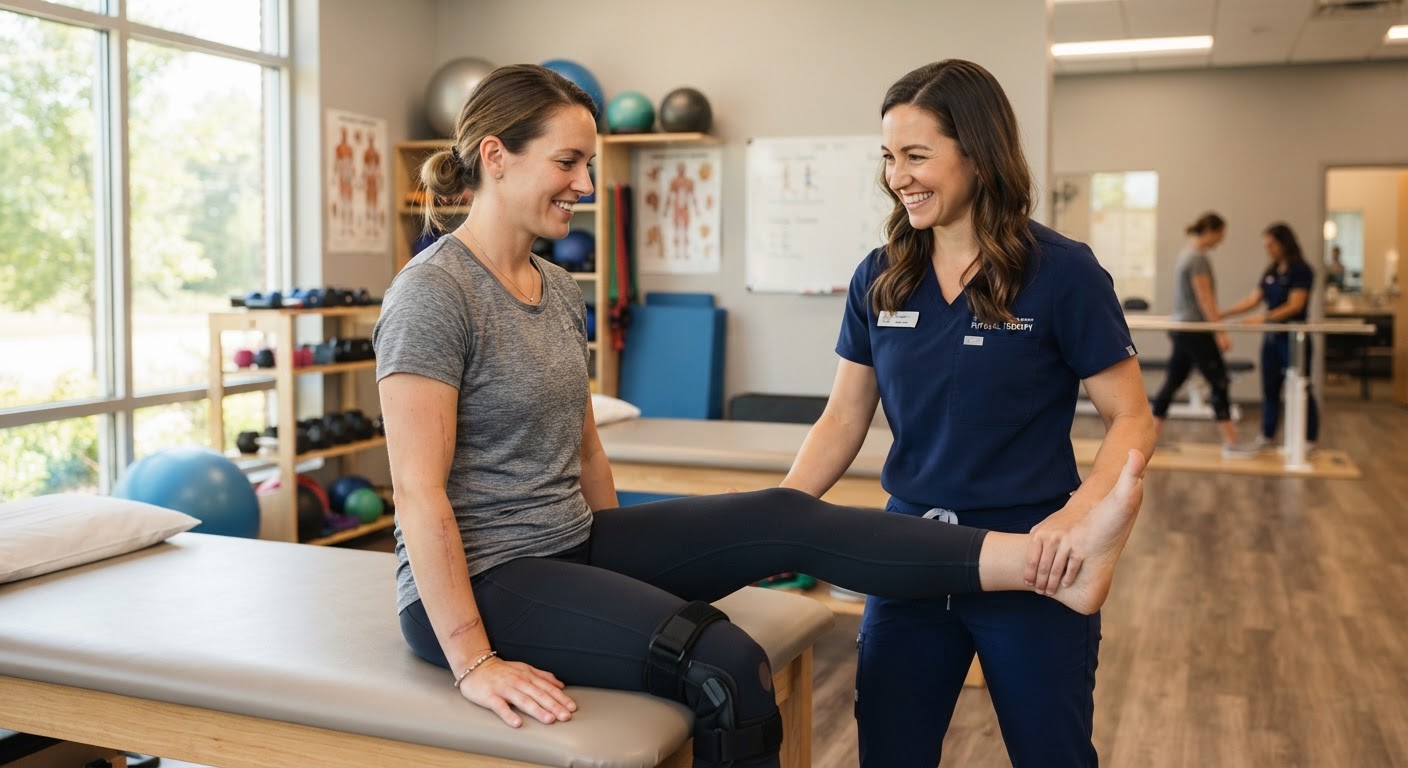
The immediate aftermath of a car accident can be a whirlwind of stress and uncertainty. While the adrenaline may mask pain initially, delaying evaluation and treatment for potential injuries can have significant long-term consequences. For individuals involved in motor vehicle collisions, understanding the critical window of the first 14 days after an accident is paramount. This period is not just about identifying injuries, but also about initiating the right interventions to prevent chronic conditions and facilitate a more complete recovery. Physical Therapy NOW™ emphasizes the importance of early intervention, offering comprehensive care tailored to accident-related injuries.
Understanding Common Car Accident Injuries
Car accidents can lead to a wide range of injuries, even in seemingly minor collisions. The forces involved, including sudden acceleration, deceleration, and impact, can strain soft tissues, misalign joints, and compress nerves. Understanding these common injuries is the first step towards timely and effective treatment.
Soft Tissue Injuries
Whiplash-Associated Disorders (WAD) are perhaps the most common soft tissue injury following a car accident. This occurs when the head is suddenly jerked backward and then forward, damaging the muscles, ligaments, and tendons in the neck and upper back. The soft tissues in the shoulders, mid-back, and lower back can also be strained or sprained. These injuries involve microscopic tears or overstretching of the tissue, leading to inflammation, pain, and restricted movement.
Joint Sprains and Strains
Beyond the neck, other joints like the shoulders, hips, knees, and ankles can sustain sprains (ligament injuries) or strains (muscle or tendon injuries) from impact or bracing. The sudden rotational or shearing forces can destabilize joints and cause pain with movement.
Nerve Impingement or Irritation
Misaligned vertebrae or inflamed soft tissues can put pressure on spinal nerves. This can lead to symptoms like radiating pain, numbness, tingling, or weakness in the arms or legs, often associated with conditions like sciatica or cervical radiculopathy.
Contusions and Bruising
Direct impact can cause bruising and contusions to muscles and other soft tissues. While often appearing superficial, deeper contusions can cause significant pain and limit function.
Common Causes of These Injuries
The primary cause is the sudden kinetic energy transfer during the collision. Factors such as vehicle speed, angle of impact, seatbelt usage, airbag deployment, and even the occupant's position at the time of impact all influence the type and severity of injuries. Even a low-speed fender-bender can generate significant forces on the body, especially the head and neck, due to the biomechanics of whiplash.
Recognizing Symptoms and Red Flags
Symptoms following a car accident can develop immediately or over several days. It's crucial to be aware of what to look for and when to seek professional medical attention.
Common Symptoms
Localized pain or stiffness in the neck, back, shoulders, or other body parts Headaches, especially at the base of the skull or radiating to the temples Muscle spasms or tenderness Limited range of motion in affected joints Numbness, tingling, or weakness in the arms or legs (suggests nerve involvement) Dizziness or vertigo Difficulty sleeping due to pain Fatigue
Red Flags Warranting Immediate Medical Evaluation
Severe, worsening pain that is unrelieved by rest Significant numbness or weakness, especially if progressive Loss of bowel or bladder control Difficulty walking or maintaining balance Sudden vision changes or double vision Persistent, severe headaches accompanied by nausea, vomiting, or confusion Any signs of open wounds, fractures, or dislocations
How Injuries Are Typically Diagnosed
Diagnosis usually begins with a thorough medical history and physical examination by a healthcare provider. They will assess your range of motion, palpate for tenderness, check neurological function (reflexes, sensation, strength), and evaluate your posture and gait.
Imaging Studies
X-rays are often used to rule out fractures or significant spinal misalignment. MRI (Magnetic Resonance Imaging) or CT (Computed Tomography) scans may be ordered if there's suspicion of soft tissue damage (e.g., disc herniation, ligament tears), nerve impingement, or more complex injuries not visible on X-rays. These advanced imaging techniques provide detailed views of muscles, tendons, ligaments, and spinal discs.
Electromyography (EMG) or Nerve Conduction Studies (NCS)
In cases of suspected nerve damage or impingement, these tests can help identify the location and severity of nerve involvement.
The Role of Early Physical Therapy: The First 14 Days
The initial two weeks following a car accident are a critical window for intervention. Research indicates that early mobilization and therapeutic exercise can significantly reduce the likelihood of developing chronic pain and improve long-term outcomes. Delaying care can lead to increased inflammation, scar tissue formation that restricts movement, muscle weakness, and the adoption of compensatory movement patterns that exacerbate pain.
Phases of Physical Therapy Care
Physical therapy treatment is typically structured into phases, adapting to your body's healing process.
1. Acute Inflammatory Phase (Days 1-7):
Goal: Reduce pain and inflammation, protect injured tissues. Interventions: Rest (relative, not complete), ice, gentle modalities (e.g., electrical stimulation, ultrasound) to reduce swelling and muscle spasm, manual therapy for gentle joint mobilization, and patient education on posture and activity modification to avoid aggravating injuries.
2. Subacute Repair Phase (Days 7-21, often overlapping with the first 14 days):
Goal: Restore basic range of motion, begin strengthening, improve tissue healing. Interventions: Progressive range of motion exercises, gentle stretching, low-impact aerobic activity, beginning specific strengthening exercises for affected muscles, continued manual therapy to address joint restrictions, and neuromuscular re-education to improve muscle control.
3. Remodeling/Chronic Phase (Beyond 3 weeks, extending for months):
Goal: Restore full strength, endurance, flexibility, and functional movement patterns; prevent recurrence. Interventions: Advanced strengthening and conditioning, sport-specific or activity-specific training, balance and proprioception exercises, ergonomic training, and a home exercise program for long-term self-management.
Example Interventions
Manual Therapy: Hands-on techniques like soft tissue mobilization, joint mobilization, and manipulation to reduce pain, improve joint movement, and decrease muscle tension. Therapeutic Exercise: Prescribed exercises to restore strength, flexibility, endurance, and coordination. This includes exercises for the neck, back, core, and extremities. Modalities: Use of therapeutic tools such as heat, ice, electrical stimulation, or therapeutic ultrasound to manage pain, reduce inflammation, and promote healing. Neuromuscular Re-education: Exercises to improve balance, proprioception (body awareness), and coordinated muscle activation. Patient Education: Guidance on proper posture, body mechanics, activity modification, pain management strategies, and a progressive home exercise program.
Realistic Recovery Timeframes
Recovery from car accident injuries is highly individual and depends on various factors, including the severity of the injury, age, overall health, and adherence to the treatment plan. While some individuals may feel significant improvement within a few weeks, others may require several months of consistent therapy.
Minor soft tissue injuries (sprains/strains) often show substantial improvement within 4-6 weeks, with full recovery taking 3-6 months. More severe injuries, such as disc herniations or significant nerve involvement, may require longer, potentially 6-12 months or more, especially if surgical intervention becomes necessary. Chronic pain can develop if initial injuries are not properly managed, potentially extending recovery indefinitely without appropriate intervention.
When to Refer / When to Seek Care
For Patients: If you have been involved in a car accident, even if you feel fine initially, seek medical evaluation within the first few days. Adrenaline can mask pain. If you experience any pain, stiffness, headaches, numbness, or limited movement, contact your physician or Physical Therapy NOW™ promptly. Early intervention is key to preventing minor issues from becoming chronic.
For Physicians: Consider referring patients for a physical therapy evaluation within the first 14 days following a motor vehicle collision, especially for patients presenting with neck pain, back pain, headaches, or musculoskeletal discomfort. Early physical therapy can help establish a baseline, initiate appropriate treatment, and guide rehabilitation to optimize functional outcomes and reduce the risk of chronicity. Prompt referral ensures patients receive timely care in this critical window.
Practical Self-Care Guidance
Rest, but don't become inactive. Gentle movement is often better than complete immobilization. Apply ice to acute injuries (within the first 48-72 hours) to reduce swelling and pain, for 15-20 minutes every 2-3 hours. Use heat for muscle stiffness or chronic pain after the acute phase. Practice gentle range of motion exercises as advised by your therapist. Maintain good posture, especially when sitting or working. Stay hydrated and eat a balanced diet to support healing. Follow your physical therapist's home exercise program diligently. Avoid activities that significantly increase your pain.
The first 14 days after a car accident are a crucial period that can significantly influence your long-term recovery trajectory. Proactive engagement with physical therapy during this window can minimize pain, restore function, and prevent the development of chronic conditions. By understanding your injuries and committing to an early and consistent treatment plan, you empower yourself for the best possible outcome.
Ready to feel better? Physical Therapy NOW™ has 40+ Florida locations, most with same-week appointments and no referral required in most cases.
Schedule now at https://physicaltherapynow.com/schedule · Call 800.481.4582
Ready to start feeling better?
Physical Therapy NOW™ has 40+ Florida locations with same-week appointments. Most insurance, auto accident (PIP), workers' compensation and Medicare accepted.