The First 14 Days After a Car Accident: Why Early PT Matters
Experiencing a car accident can be a jarring and life-altering event, often leaving individuals with both visible and invisible injuries. While immediate concerns often focus on vehicle damage and acute medical needs, the initial two weeks following a collision are particularly critical for addressing potential musculoskeletal injuries. Timely intervention, particularly through physical therapy, can significantly influence the trajectory of recovery and help prevent the development of chronic pain. At Physical Therapy NOW™, we understand the unique challenges patients face after an auto accident and are dedicated to guiding them toward optimal recovery.
Understanding Common Car Accident Injuries
Car accidents can lead to a wide range of injuries, even in seemingly minor collisions. The sudden forces involved, such as acceleration, deceleration, and direct impact, can cause soft tissue damage, joint dysfunction, and nerve irritation. Common injuries include:
Whiplash Associated Disorders (WAD): This is perhaps the most well-known car accident injury, resulting from the rapid back-and-forth motion of the head and neck. It can affect muscles, ligaments, tendons, and even spinal discs and nerves in the cervical spine.
Muscle Strains and Sprains: Muscles (strains) and ligaments (sprains) in the neck, back, shoulders, and other areas can be stretched or torn due to impact forces.
Disc Injuries: The intervertebral discs that cushion the spine can bulge, herniate, or rupture, leading to localized pain or radiating symptoms if nerves are compressed.
Contusions: Bruising from direct impact or seatbelt pressure can cause pain and tissue damage.
Joint Sprains and Dysfunctions: Joints such as the shoulders, hips, knees, and ankles can be sprained or become misaligned due to impact or bracing for a collision.
Nerve Entrapment or Irritation: Swelling, muscle spasm, or disc injury can put pressure on nerves, causing symptoms like numbness, tingling, weakness, or sharp, shooting pain.
Common Causes of These Injuries
The primary cause of these injuries is the transfer of kinetic energy during a collision. Factors influencing the severity and type of injury include:
Impact Direction and Speed: Rear-end collisions often lead to whiplash, while side impacts can cause more direct trauma to the torso and extremities.
Vehicle Type and Safety Features: Airbags, seatbelts, and vehicle design all play a role in how forces are distributed to the occupants.
Passenger Position: An individual's posture and awareness at the moment of impact can influence the extent of injury.
Pre-existing Conditions: Prior injuries or degenerative conditions can make individuals more susceptible to injury or exacerbate existing issues.
Symptoms and Red Flags Warranting Medical Evaluation
It is crucial to recognize that symptoms may not appear immediately after an accident. Adrenaline can mask pain, and some injuries develop over hours or even days. Therefore, seeking medical attention promptly is always advisable, even if you feel fine initially. Common symptoms to watch for include:
Neck Pain or Stiffness: Often developing hours after impact, potentially with reduced range of motion.
Headaches: Can originate from neck tension, muscle spasm, or more serious issues.
Back Pain: Localized pain in the upper, mid, or lower back.
Shoulder Pain: Difficulty moving the arm or lifting objects.
Numbness, Tingling, or Weakness: In the arms, hands, legs, or feet, indicating potential nerve involvement.
Difficulty Concentrating or Memory Issues: These cognitive symptoms can sometimes accompany whiplash or head injury.
Blurred Vision or Dizziness: May suggest neck instability or other issues.
Fatigue and Irritability: Often secondary to pain, sleep disturbances, and the stress of the accident.
Red flags that require immediate medical attention include severe, sudden onset weakness, loss of bowel or bladder control, significant numbness or paralysis, or any signs of altered consciousness. These could indicate more serious spinal cord injury or head trauma.
How Injuries Are Typically Diagnosed
Diagnosis usually begins with a thorough medical history, including details of the accident and symptom onset. A physical examination will assess range of motion, posture, muscle strength, reflexes, and sensation. Depending on the findings, imaging studies may be ordered:
X-rays: To rule out fractures or dislocations.
MRI (Magnetic Resonance Imaging): Excellent for visualizing soft tissues like muscles, ligaments, tendons, and intervertebral discs, and for detecting nerve compression.
CT (Computed Tomography) Scan: Provides detailed cross-sectional images, often used for bone injuries or when MRI is contraindicated.
Electromyography (EMG) and Nerve Conduction Studies (NCS): May be used to assess nerve damage and function, typically not in the immediate acute phase.
How Physical Therapy Treats Car Accident Injuries
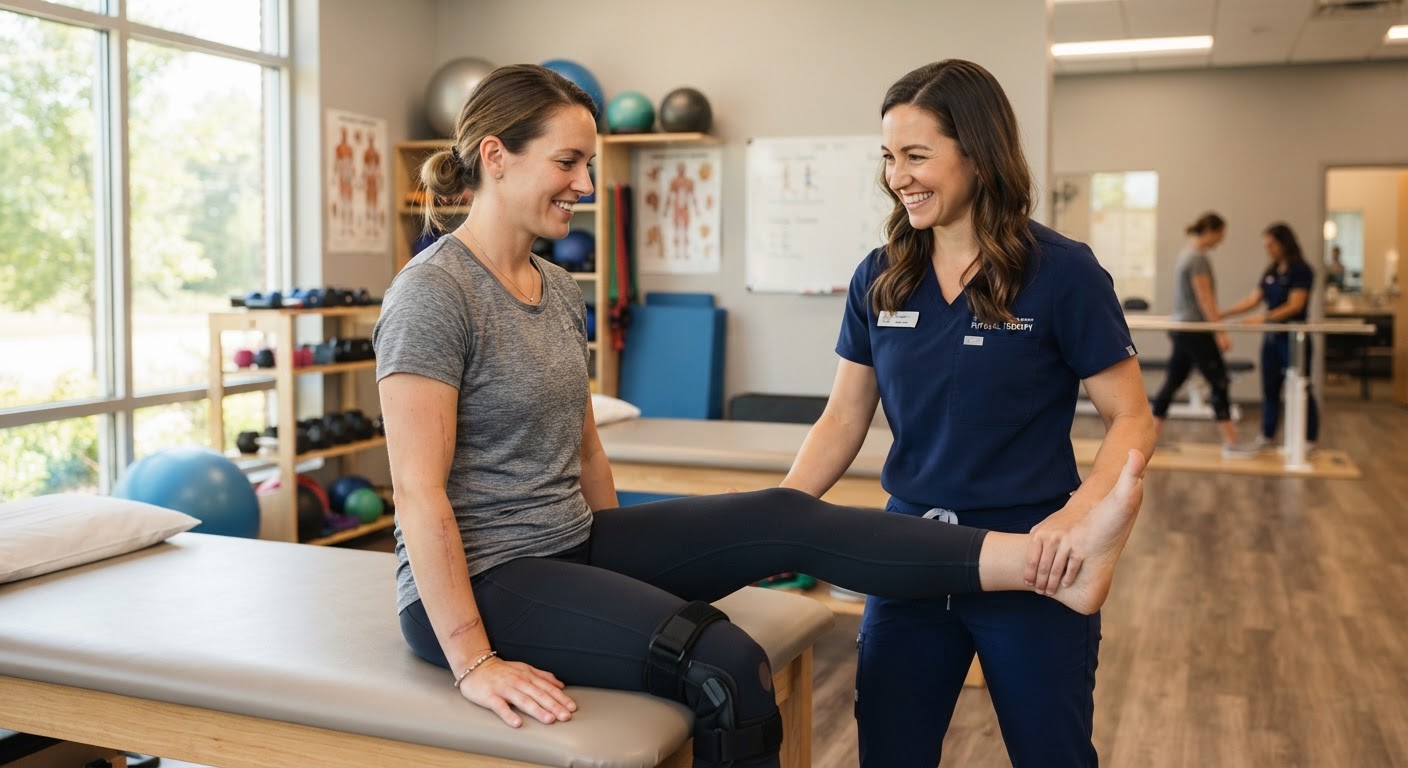
Physical therapy plays a pivotal role in recovering from car accident injuries. Early intervention helps to reduce inflammation, restore mobility, strengthen weakened muscles, and prevent the development of chronic pain patterns. A personalized treatment plan at Physical Therapy NOW™ will typically progress through several phases:
Phase 1: Acute Pain and Inflammation Management (Days 0-14)
Goals: Reduce pain and swelling, protect injured tissues, and maintain gentle movement. Interventions: Modalities such as ice, gentle heat, electrical stimulation, and therapeutic ultrasound may be used. Manual therapy techniques, including very gentle mobilization, soft tissue massage, and passive range of motion, are applied cautiously. Education on proper posture, body mechanics, and activity modification is crucial to prevent re-injury and optimize healing.
Phase 2: Restoration of Range of Motion and Initial Strengthening (Weeks 2-6+)
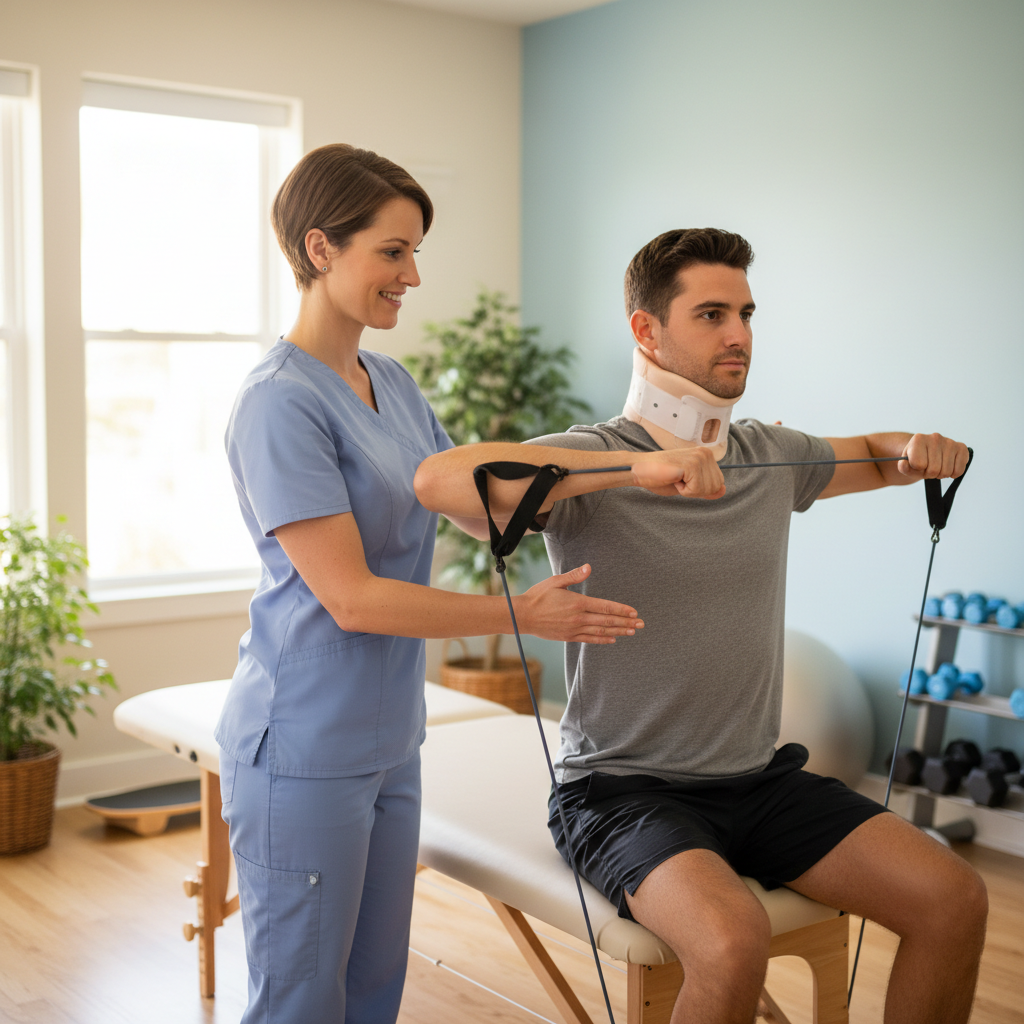
Goals: Gradually increase mobility, improve flexibility, and begin to restore muscle strength and endurance. Interventions: Active range of motion exercises, stretching, and low-impact strengthening exercises are introduced. Progressive manual therapy techniques to address joint stiffness and soft tissue restrictions continue. Neuromuscular re-education exercises help to improve muscle control and coordination.
Phase 3: Functional Restoration and Return to Activity (Weeks 6-12+)
Goals: Restore full strength, endurance, balance, and prepare for return to daily activities, work, and recreational pursuits. Interventions: Advanced strengthening exercises, sport-specific or work-specific training, balance and proprioception drills, and cardiovascular conditioning. Emphasis is placed on functional movements and preventing recurrence.
Realistic Recovery Timeframes
Recovery timeframes are highly individual and depend on the severity of the injury, adherence to the treatment plan, and pre-existing health status. Many soft tissue injuries, like whiplash, can see significant improvement within 6-12 weeks with consistent physical therapy. More severe injuries, disc involvement, or nerve damage may require several months of care or longer. Early and consistent physical therapy optimizes the chances for a faster and more complete recovery, often preventing conditions from becoming chronic.
Practical, Actionable Self-Care Guidance
In conjunction with professional physical therapy, certain self-care strategies can support your recovery:
Apply Ice or Heat: Use ice for acute pain and swelling (first 48-72 hours) and moist heat for muscle relaxation and stiffness after the acute phase. Consult your therapist for specific guidance.
Gentle Movement: Avoid prolonged immobility. Your therapist will provide safe, gentle exercises to keep blood flowing and prevent stiffness.
Maintain Good Posture: Be mindful of your posture while sitting, standing, and sleeping. A cervical pillow can support neck alignment.
Stay Hydrated and Eat Nutritiously: Support your body's healing processes with a healthy diet and adequate water intake.
Prioritize Sleep: Adequate rest is essential for tissue repair and pain management.
Listen to Your Body: Do not push through pain. Report any new or worsening symptoms to your physical therapist or physician.
When to Refer / When to Seek Care
For Patients: If you have been involved in a car accident, even a minor one, seek medical evaluation promptly. Do not wait for symptoms to worsen. Early consultation with a physical therapist is recommended, ideally within the first few days to two weeks after the incident, once acute medical issues have been addressed by a physician. This allows for early assessment, intervention, and the initiation of a personalized recovery plan.
For Referring Physicians: Early referral to physical therapy for musculoskeletal injuries post-auto accident is vital. Patients who receive physical therapy within the first two weeks often demonstrate better long-term outcomes and reduced incidence of chronic pain compared to those with delayed intervention. Physical therapists can provide comprehensive evaluations, pain management strategies, and progressive exercise programs tailored to the patient's specific injuries, helping to restore function and prevent disability. Collaborating on patient care ensures a holistic approach to recovery.
The period immediately following a car accident is a critical window for intervention. By understanding the common injuries, recognizing symptoms, and promptly engaging in physical therapy, individuals can significantly impact their healing journey. Remember, early action is key to managing pain, restoring function, and preventing long-term complications. Your health and well-being are paramount, and starting your recovery journey without delay is a crucial step toward regaining your quality of life.
Ready to feel better? Physical Therapy NOW™ has 40+ Florida locations, most with same-week appointments and no referral required in most cases.
Schedule now at https://physicaltherapynow.com/schedule · Call 800.481.4582
Ready to start feeling better?
Physical Therapy NOW™ has 40+ Florida locations with same-week appointments. Most insurance, auto accident (PIP), workers' compensation and Medicare accepted.