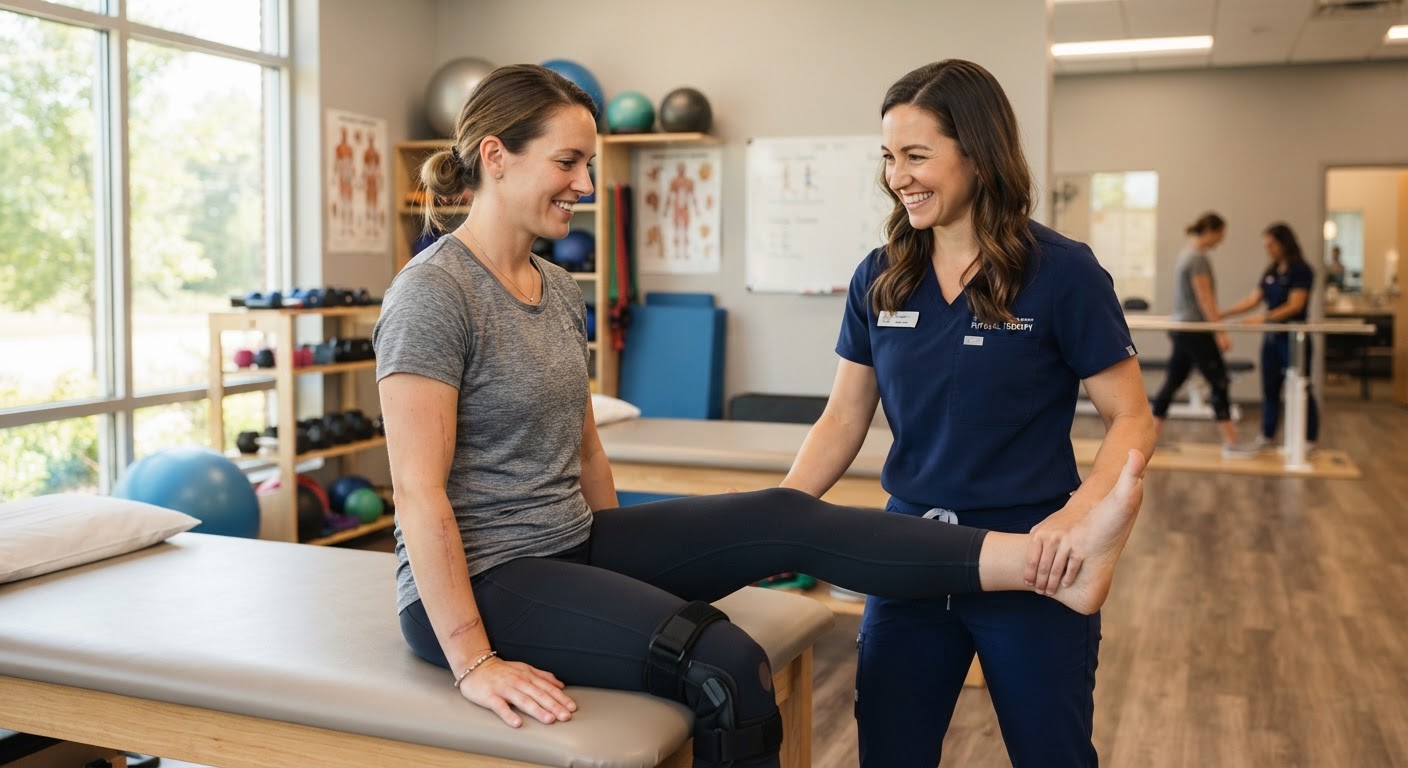
The First 14 Days After a Car Accident: Why Early PT Matters
A car accident, even a minor one, can be a jarring and life-altering event. Beyond the immediate shock, many individuals experience a range of physical symptoms that may not appear until hours or even days later. This delay can lead to a false sense of security, causing some to postpone seeking medical attention. However, the first 14 days following a car accident are a critical window for intervention, particularly when it comes to physical therapy. Understanding why early physical therapy matters can significantly impact your recovery trajectory and prevent long-term complications.
Understanding Common Auto Accident Injuries
Car accidents can result in a wide array of injuries, affecting everything from muscles and ligaments to joints and nerves. The forces involved in a collision, even at low speeds, can cause sudden and unnatural movements of the body. One of the most frequently encountered injuries is whiplash, a term that describes a collection of symptoms resulting from a rapid extension and flexion of the neck. This motion can strain neck muscles, ligaments, and tendons, and can even affect the cervical discs and nerves.
Other common injuries include sprains and strains in the back, shoulders, and knees. Soft tissue injuries, which affect muscles, tendons, and ligaments, are particularly prevalent. Contusions (bruises) and minor fractures may also occur, often masked by the initial adrenaline rush. Some individuals may experience headaches, dizziness, or jaw pain (TMJ dysfunction) as a secondary effect of neck or head trauma.
Causes of Auto Accident Injuries
The primary cause of these injuries is the sudden deceleration or acceleration forces exerted on the body during an impact. When a vehicle stops or changes direction abruptly, the occupants continue moving due to inertia until restrained by seatbelts, airbags, or contact with the vehicle's interior. This rapid change in motion can overstretch or tear tissues, compress joints, or misalign spinal segments. Even a relatively minor fender bender can generate significant forces on the neck and spine, leading to injury.
Symptoms and Red Flags Warranting Medical Evaluation
It is crucial to be aware of the signs and symptoms that indicate a need for medical attention. Some symptoms may manifest immediately, while others can develop over hours or days. Common symptoms include: • Pain: Localized pain in the neck, back, shoulders, or limbs. • Stiffness: Reduced range of motion, particularly in the neck or back. • Headaches: Often starting at the base of the skull and radiating. • Dizziness or Vertigo: Feelings of lightheadedness or spinning. • Numbness or Tingling: Sensations in the arms, hands, legs, or feet, which could indicate nerve involvement. • Weakness: Difficulty lifting objects or performing normal movements. • Muscle Spasms: Involuntary tightening of muscles. • Jaw Pain: Discomfort or difficulty opening and closing the mouth. • Fatigue: Unusual tiredness or difficulty concentrating.
Red flags that absolutely warrant immediate medical evaluation include severe, escalating pain, significant weakness, loss of bowel or bladder control, changes in vision or speech, or persistent numbness or tingling that worsens. While some discomfort is expected after an accident, any symptom that significantly impacts your function or seems concerning should be evaluated by a healthcare professional.
Diagnosis of Auto Accident Injuries
Diagnosing injuries after a car accident typically begins with a thorough medical history and physical examination. Your healthcare provider will ask about the accident mechanism, your symptoms, and any pre-existing conditions. During the physical exam, they will assess your range of motion, strength, sensation, reflexes, and palpate areas of tenderness. Imaging studies may be ordered to rule out fractures or identify soft tissue damage.
X-rays are commonly used to assess bone integrity. For more detailed visualization of soft tissues like muscles, ligaments, tendons, and nerves, an MRI (Magnetic Resonance Imaging) may be recommended. CT scans might be used if there is suspicion of more complex bone injuries or internal bleeding. The diagnostic process aims to accurately identify the specific structures affected and the extent of the injury, guiding the subsequent treatment plan.
How Physical Therapy Treats Auto Accident Injuries
Physical therapy plays a pivotal role in the recovery process following a car accident. The overarching goals are to reduce pain, restore normal function, improve strength and flexibility, and prevent chronic issues. Physical therapy at Physical Therapy NOW™ focuses on a holistic, patient-centered approach, tailoring interventions to individual needs and injury severity.
Phases of Care:
1. Acute Phase (Days 0-14): The primary focus during this initial period is to reduce pain and inflammation. Modalities such as ice, gentle manual therapy, and light exercises to maintain range of motion are often employed. Education on proper body mechanics and pain management strategies is also crucial. 2. Subacute Phase (Weeks 2-6): As pain subsides, the focus shifts to restoring mobility and initiating strengthening. Progressive exercises, manual therapy techniques like joint mobilization, and neuromuscular re-education help regain function and stability. 3. Return to Function Phase (Beyond 6 weeks): This phase emphasizes advanced strengthening, endurance training, and functional exercises specific to the patient's daily activities, work, and recreational pursuits. The goal is to ensure a full and safe return to pre-injury levels.
Example Interventions: • Manual Therapy: Hands-on techniques such as massage, mobilization, and manipulation to decrease pain, reduce muscle spasms, and improve joint movement. • Therapeutic Exercises: Targeted stretches to improve flexibility and range of motion, and strengthening exercises to stabilize injured areas. • Neuromuscular Re-education: Exercises to improve balance, coordination, and proprioception (awareness of body position). • Modalities: Application of heat, cold, electrical stimulation, or ultrasound to manage pain and inflammation. • Posture and Ergonomic Training: Education on proper posture and body mechanics to prevent re-injury.
Realistic Recovery Timeframes
Recovery timeframes vary significantly depending on the severity and type of injury, as well as individual factors such as age, overall health, and adherence to the treatment plan. While some minor injuries may resolve within a few weeks, more significant soft tissue injuries like whiplash can take 6-12 weeks or even longer for full recovery. The benefit of early intervention with physical therapy, especially within the first 14 days, is that it can often shorten these timeframes and significantly reduce the likelihood of developing chronic pain or long-term disability. Consistent attendance and diligent home exercise program adherence are key determinants of a faster and more complete recovery.
When to Refer / When to Seek Care
For Patients: If you have been involved in a car accident, even if you feel fine initially, it is highly advisable to seek a medical evaluation within the first 24-72 hours. Do not wait for symptoms to worsen. If you experience any pain, stiffness, numbness, headaches, or other unusual sensations after an accident, consult your doctor. They can then refer you to physical therapy if appropriate. Early physical therapy at Physical Therapy NOW™ can initiate the healing process and prevent minor issues from becoming major ones.
For Referring Physician Offices: Consider referring patients for physical therapy evaluation within the first 14 days following an auto accident, especially for musculoskeletal complaints such as neck pain, back pain, headaches, and extremity pain. Early intervention can help manage acute symptoms, prevent the progression to chronic conditions, and establish a foundational recovery plan that minimizes long-term complications. Physical therapy can also aid in differential diagnosis and provide objective findings regarding functional limitations.
Practical Self-Care Guidance
While professional care is essential, there are practical steps you can take to support your recovery at home: • Rest: Allow your body adequate rest, especially in the initial days following the accident. Avoid strenuous activities that exacerbate your pain. • Ice/Heat: Apply ice packs to acute, inflamed areas for 15-20 minutes several times a day. As pain subsides and stiffness becomes more prominent, gentle heat may be beneficial. • Gentle Movement: Perform any gentle range-of-motion exercises your physical therapist recommends. Avoid prolonged immobilization. • Stay Hydrated: Drinking plenty of water supports overall tissue healing. • Listen to Your Body: Pay attention to pain signals. Do not push through pain, but also avoid complete immobility unless advised by a healthcare professional.
The initial days and weeks after a car accident are a critical period that can define the course of your recovery. By understanding the potential for injury, recognizing symptoms, and seeking timely physical therapy, you empower yourself to heal effectively and regain your quality of life. Don't delay; early action is your best ally in navigating the path to recovery.
Ready to feel better? Physical Therapy NOW™ has 40+ Florida locations, most with same-week appointments and no referral required in most cases.
Schedule now at https://physicaltherapynow.com/schedule · Call 800.481.4582
Ready to start feeling better?
Physical Therapy NOW™ has 40+ Florida locations with same-week appointments. Most insurance, auto accident (PIP), workers' compensation and Medicare accepted.