The First 14 Days After a Car Accident: Why Early PT Matters
Experiencing a car accident can be a jarring and traumatic event, both physically and emotionally. While some injuries are immediately apparent, others may manifest days or even weeks later. It is precisely in these critical first two weeks following an accident that early intervention, particularly physical therapy, can make a significant difference in your recovery trajectory and long-term well-being. Whether you are a patient seeking guidance or a referring physician considering care options, understanding the benefits of prompt physical therapy is key.
What are Common Injuries After a Car Accident?
Car accidents can lead to a wide range of injuries, often impacting the musculoskeletal system. The sudden forces involved, such as rapid acceleration, deceleration, or direct impact, can strain soft tissues, misalign joints, and even cause fractures. Common injuries include:
Whiplash Associated Disorders (WAD): This is perhaps the most well-known car accident injury. Whiplash occurs when the head is suddenly and forcefully thrown forward and backward, straining the muscles, ligaments, and tendons in the neck and upper back. It can affect cervical discs and nerve roots.
Soft Tissue Injuries: Sprains (ligament injuries) and strains (muscle or tendon injuries) can occur throughout the body, particularly in the neck, back, shoulders, and knees. These injuries involve the overstretching or tearing of these tissues.
Back Injuries: Beyond whiplash in the cervical spine, the thoracic (mid-back) and lumbar (lower back) regions are also vulnerable. Disc herniations, muscle strains, and facet joint sprains are common, leading to localized pain or radiating symptoms.
Shoulder Injuries: The impact or bracing reflex can cause rotator cuff strains, sprains, or even tears. Shoulder impingement syndrome can also develop.
Knee Injuries: Direct impact to the dashboard or side door can lead to patellofemoral pain, ligamentous sprains (such as ACL or MCL), or meniscus tears.
Contusions and Bruising: Direct impact can cause significant bruising and muscle contusions, leading to localized pain and swelling.
How do These Injuries Occur?
The mechanisms of injury in car accidents are diverse. For whiplash, it is the inertial force on the head and neck. For other injuries, it can be direct impact, twisting motions, or the body bracing against the seatbelt or steering wheel. The sudden and unexpected nature of the impact often prevents muscles from adequately preparing or contracting to protect the joints, leading to greater tissue damage. Even in seemingly minor collisions, the forces involved can be substantial, often underestimated by individuals or observers. Adrenaline can also mask immediate pain, leading individuals to believe they are uninjured until days later.
Symptoms and Red Flags Warranting Medical Evaluation
Symptoms following a car accident can vary in intensity and onset. While some pain is immediate, it is common for symptoms to develop gradually over the first 24-72 hours. Common symptoms include:
Pain: Localized pain at the site of injury, or radiating pain (e.g., down an arm or leg) which may indicate nerve involvement.
Stiffness: Particularly in the neck and back, making movement difficult and restricted.
Headaches: Often originating from the neck (cervicogenic headaches), or due to muscle tension.
Numbness or Tingling: Can indicate nerve compression or irritation.
Weakness: Difficulty moving a limb or performing normal activities.
Muscle Spasms: Involuntary contractions of muscles in response to injury.
Dizziness or Vertigo: Potentially related to neck injury or mild concussion.
Fatigue: The body's response to trauma and healing.
Red flags that warrant immediate medical attention include: severe, unremitting pain; significant numbness or weakness; loss of bowel or bladder control; difficulty walking; vision changes; or persistent dizziness/confusion. While many car accident injuries are musculoskeletal, it is always prudent to be evaluated by a medical professional to rule out more serious conditions.
How are These Injuries Typically Diagnosed?
Diagnosis usually begins with a thorough medical history, including details of the accident, and a comprehensive physical examination. A healthcare provider will assess range of motion, muscle strength, reflexes, and sensation. Imaging studies may be ordered depending on the findings:
X-rays: Used to rule out fractures or significant spinal misalignment.
MRI (Magnetic Resonance Imaging): Provides detailed images of soft tissues like muscles, ligaments, tendons, and spinal discs, useful for identifying disc herniations, sprains, or tears.
CT Scan (Computed Tomography): May be used if there is suspicion of head injury or complex fractures.
It is important to note that sometimes initial imaging may appear normal, yet significant soft tissue injury requiring treatment is present. This is why a clinical examination by a skilled practitioner is so vital.
How Physical Therapy Treats Car Accident Injuries
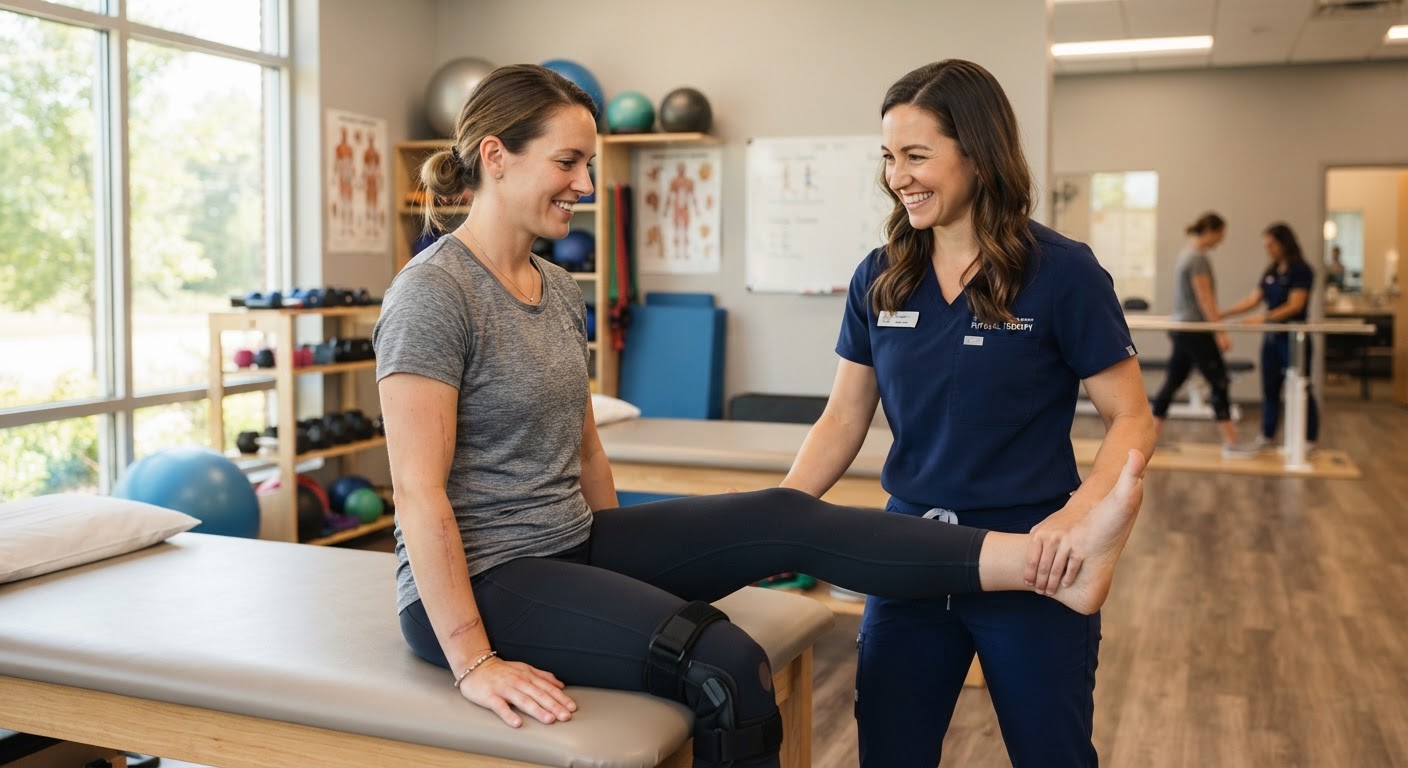
Physical therapy plays a pivotal role in the recovery process after a car accident. Its goal is not just to reduce pain, but to restore function, prevent chronic issues, and empower individuals to return to their prior level of activity. Early intervention, especially within the first 14 days, is crucial to prevent the progression of acute inflammation into chronic pain and stiffness.
Phases of Care:
Acute Phase (First 1-2 Weeks): Focuses on pain management, reducing inflammation, protecting injured tissues, and gently restoring initial range of motion. This phase prevents the formation of excessive scar tissue and addresses immediate muscle guarding.
Subacute/Rehabilitation Phase (Weeks 2-6+): Progresses to restoring full range of motion, improving strength, flexibility, posture, and neuromuscular control. This is where active exercises become more prominent.
Functional/Strengthening Phase (Weeks 6+): Emphasizes advanced strengthening, endurance, balance, and sport-specific or activity-specific training to ensure a complete return to daily life and prevent re-injury.
Example Interventions:
Manual Therapy: Hands-on techniques such as soft tissue mobilization, joint mobilization, and gentle massage to reduce pain, muscle spasm, and improve joint mobility.
Therapeutic Exercises: Tailored exercises to improve strength, flexibility, posture, and endurance. This includes stretches, strengthening exercises, and progressive resistance training.
Neuromuscular Re-education: Exercises to improve balance, coordination, and proprioception (the body's awareness of its position in space), which are often disrupted after injury.
Modalities: Use of ice, heat, or electrical stimulation (e.g., TENS) to help manage pain and inflammation.
Patient Education: Crucial for understanding the injury, self-management strategies, proper body mechanics, and an active role in recovery. This empowers patients to take control of their healing.
Realistic Recovery Timeframes:
Recovery times are highly individual, depending on the severity of the injury, age, overall health, and adherence to the treatment plan. While some minor injuries may resolve in a few weeks, more significant soft tissue injuries like whiplash can take 6-12 weeks or longer for full recovery. Early and consistent physical therapy, like that offered at Physical Therapy NOW™, significantly improves these timeframes and outcomes, helping to avoid chronic pain issues that can arise if injuries are left untreated.
When to Refer / When to Seek Care
For Physicians: Consider referring patients for physical therapy as soon as acute medical conditions have been ruled out, ideally within the first few days to two weeks post-accident. Early intervention can prevent chronic pain, reduce the need for more invasive treatments, and improve long-term functional outcomes. A physical therapist can provide detailed assessments of musculoskeletal injuries, objective measures of progress, and a structured rehabilitation plan.
For Patients: Seek medical evaluation immediately after a car accident, even if you feel fine, as symptoms can be delayed. If you experience pain, stiffness, headaches, or any other new symptoms in the days following an accident, contact your doctor. If your doctor recommends physical therapy, or if you feel persistent musculoskeletal discomfort, do not delay seeking care from a qualified physical therapist. The sooner you begin, the better your chances for a swift and complete recovery.
Practical Self-Care Guidance
In the initial days following an accident, alongside professional care, certain self-care measures can be beneficial:
Rest: Allow your body adequate rest, but avoid prolonged immobilization. Gentle movement is often better than complete inactivity after a short period of rest.
Ice and Heat: Apply ice packs to acute, swollen, or painful areas for 15-20 minutes several times a day. After the initial acute phase (48-72 hours), gentle heat can be used for stiffness or muscle spasms.
Gentle Movement: Perform light, pain-free movements as advised by your physical therapist. Avoid activities that worsen your pain.
Proper Posture: Be mindful of your posture, especially when sitting or standing, to reduce strain on your spine.
Stay Hydrated and Eat Nutritiously: Support your body's healing process with good nutrition and hydration.
Listen to Your Body: Pay attention to pain signals. Do not push through significant pain.
The period immediately following a car accident is crucial for your recovery. By understanding the potential injuries, recognizing symptoms, and promptly engaging in physical therapy, you can significantly influence your healing journey. Taking proactive steps in the first 14 days can help prevent long-term complications and set you on the path to regaining your strength, mobility, and quality of life. Embrace the opportunity for early intervention and comprehensive care.
Ready to feel better? Physical Therapy NOW™ has 40+ Florida locations, most with same-week appointments and no referral required in most cases.
Schedule now at https://physicaltherapynow.com/schedule · Call 800.481.4582
Ready to start feeling better?
Physical Therapy NOW™ has 40+ Florida locations with same-week appointments. Most insurance, auto accident (PIP), workers' compensation and Medicare accepted.