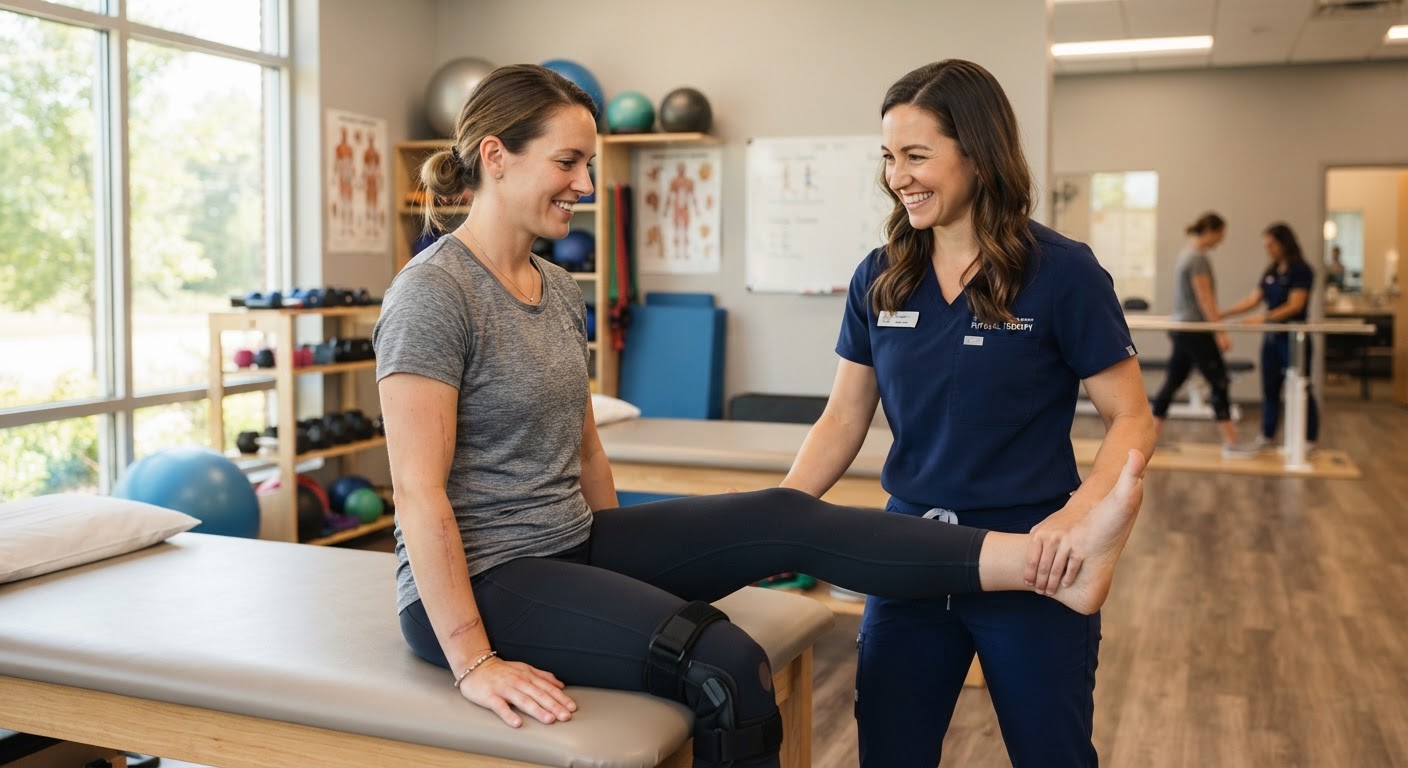
The First 14 Days After a Car Accident: Why Early PT Matters
A car accident, even a seemingly minor one, can be a jarring experience. While the immediate aftermath often involves addressing vehicle damage and insurance claims, a critical component that should not be overlooked is your physical health. The first 14 days following an auto collision are a crucial window for initiating appropriate medical care, particularly physical therapy. Neglecting early symptoms or delaying treatment can significantly impact your long-term recovery.
Understanding Auto Accident Injuries
Auto accident injuries encompass a wide range of conditions, primarily affecting the musculoskeletal system. These injuries often arise from the sudden forces of impact, which can cause tissues to stretch, compress, or tear beyond their normal limits. Common injuries include:
Whiplash Associated Disorders (WAD): This is perhaps the most well-known auto accident injury, resulting from the rapid back-and-forth movement of the head and neck. It can affect the muscles, ligaments, discs, and nerves in the cervical spine.
Muscle Strains and Ligament Sprains: These can occur in the neck, back, shoulders, and extremities due to sudden twisting, overstretching, or impact.
Soft Tissue Contusions: Bruises or damage to muscles and subcutaneous tissues from direct impact.
Disc Injuries: The force of an accident can sometimes cause disc bulges, herniations, or annular tears in the spine.
Facet Joint Irritation: Inflammation or damage to the small joints connecting the vertebrae in the spine.
Headaches: Often a secondary symptom of neck injuries (cervicogenic headaches) or even mild concussions.
Common Causes of These Injuries
The primary cause is the transfer of kinetic energy during a collision. Factors influencing injury type and severity include:
Impact Speed and Direction: Higher speeds and certain impact angles (e.g., rear-end, side-impact) can generate greater forces.
Occupant Position: The body's posture at the moment of impact can influence how forces are distributed.
Vehicle Safety Features: While airbags and seatbelts save lives, they can also contribute to specific injury patterns (e.g., seatbelt syndrome).
Underlying Health Conditions: Pre-existing conditions like arthritis or disc degeneration can make individuals more susceptible to injury or worsen post-accident symptoms.
Symptoms and Red Flags That Warrant Medical Evaluation
Symptoms might not appear immediately after an accident; some can develop hours or even days later. It is vital to pay attention to your body and seek medical evaluation for any of the following:
Immediate or Delayed Pain: Especially in the neck, back, shoulders, or head.
Stiffness or Reduced Range of Motion: Difficulty turning your head, bending your back, or moving an affected limb.
Headaches: New onset or worsening headaches, particularly those accompanied by dizziness, nausea, or sensitivity to light/sound.
Numbness, Tingling, or Weakness: In the arms, hands, legs, or feet, which could indicate nerve involvement.
Muscle Spasms: Involuntary tightening of muscles.
Bruising or Swelling: Visible signs of trauma.
Difficulty Concentrating or Memory Issues: Potential signs of a mild traumatic brain injury (concussion).
Red flags that warrant immediate medical attention (emergency room visit) include severe headache, loss of consciousness, vision changes, slurred speech, severe weakness, difficulty walking, or any signs of fracture or neurological deficit.
How Injuries Are Typically Diagnosed
Diagnosis usually begins with a thorough medical history, detailing the accident mechanism and your symptoms. A physical examination will assess:
Range of Motion: How far you can move specific joints.
Palpation: Feeling for tenderness, swelling, or muscle spasms.
Neurological Screen: Checking reflexes, sensation, and muscle strength to assess nerve function.
Special Tests: Specific movements or maneuvers to identify particular tissue involvement.
Imaging Studies: X-rays can rule out fractures. MRI (Magnetic Resonance Imaging) or CT (Computed Tomography) scans may be ordered to visualize soft tissues like discs, ligaments, and nerves, especially if neurological symptoms are present or if symptoms persist.
How Physical Therapy Treats Auto Accident Injuries
Physical therapy is a cornerstone of recovery after an auto accident. It aims to reduce pain, restore function, prevent chronic issues, and educate patients on self-management. The approach is tailored to the individual's specific injuries and needs.
Phases of Care:
Acute Phase (First 0-2 Weeks): Focuses on pain management, reducing inflammation, and protecting injured tissues. Interventions might include gentle manual therapy, modalities (e.g., ice, heat, electrical stimulation), and patient education on proper posture and activity modification.
Subacute Phase (2-6 Weeks): As pain subsides, the focus shifts to restoring range of motion, improving flexibility, and beginning gentle strengthening. Therapeutic exercises become more prominent.
Functional Restoration Phase (6+ Weeks): Aims to rebuild strength, endurance, balance, and coordination. Exercises progress to functional movements, preparing the patient for a return to daily activities, work, and recreational pursuits.
Example Interventions:
Manual Therapy: Hands-on techniques like soft tissue mobilization, joint mobilization, and massage to reduce pain, improve tissue extensibility, and restore joint mechanics.
Therapeutic Exercises: Targeted stretches and strengthening exercises to improve flexibility, posture, stability, and muscle function.
Neuromuscular Re-education: Exercises to improve balance, coordination, and proprioception (awareness of body position).
Modalities: Use of ice, heat, electrical stimulation, or ultrasound to manage pain and swelling.
Patient Education: Instruction on body mechanics, posture, home exercise programs, and strategies to prevent re-injury.
Realistic Recovery Timeframes:
Recovery from auto accident injuries is highly individual. While some mild strains may resolve in a few weeks, more complex injuries like whiplash can take several months. Early and consistent physical therapy significantly improves outcomes and can shorten recovery times. Adherence to a prescribed home exercise program is also crucial.
When to Refer / When to Seek Care
For Physicians: Consider referring patients to physical therapy as soon as a musculoskeletal injury is suspected after an auto accident, ideally within the first few days. Early intervention can prevent the escalation of symptoms, reduce the likelihood of chronic pain, and establish a clear path to recovery. If your patient presents with persistent pain, limited range of motion, or developing neurological symptoms, physical therapy can offer specialized evaluation and treatment plans.
For Patients: Seek medical evaluation promptly after an auto accident, even if you feel fine initially. If you experience any pain, stiffness, headaches, numbness, or other unusual symptoms within the first 14 days (or even later), consult your physician. If your doctor recommends physical therapy, or if you are interested in exploring non-pharmacological approaches to pain relief and recovery, contact a qualified physical therapist. Physical Therapy NOW™ provides comprehensive care for auto accident injuries.
Practical Self-Care Guidance
After an accident, certain self-care strategies can complement professional treatment:
Rest: Allow your body time to heal, but avoid complete immobilization unless specifically instructed by a medical professional. Gentle movement is often beneficial.
Ice and Heat: Use ice for acute pain and swelling (first 24-72 hours), then transition to heat for muscle stiffness and soreness.
Gentle Movement: Perform light, pain-free movements to maintain circulation and prevent stiffness, as advised by your physical therapist.
Maintain Good Posture: Be mindful of your posture, especially when sitting or driving, to reduce strain on injured areas.
Stay Hydrated: Proper hydration supports tissue healing.
Follow Medical Advice: Adhere strictly to your doctor's and physical therapist's recommendations regarding activity levels and medication.
Addressing injuries proactively after a car accident is one of the most effective steps you can take for your long-term health. The first 14 days represent a critical window to prevent acute symptoms from becoming chronic issues. Physical Therapy NOW™ is committed to helping you regain your strength, mobility, and quality of life after an auto collision. Taking swift action with expert physical therapy can make a significant difference in your recovery journey, allowing you to move forward with confidence and comfort.
Ready to feel better? Physical Therapy NOW™ has 40+ Florida locations, most with same-week appointments and no referral required in most cases.
Schedule now at https://physicaltherapynow.com/schedule · Call 800.481.4582
Ready to start feeling better?
Physical Therapy NOW™ has 40+ Florida locations with same-week appointments. Most insurance, auto accident (PIP), workers' compensation and Medicare accepted.