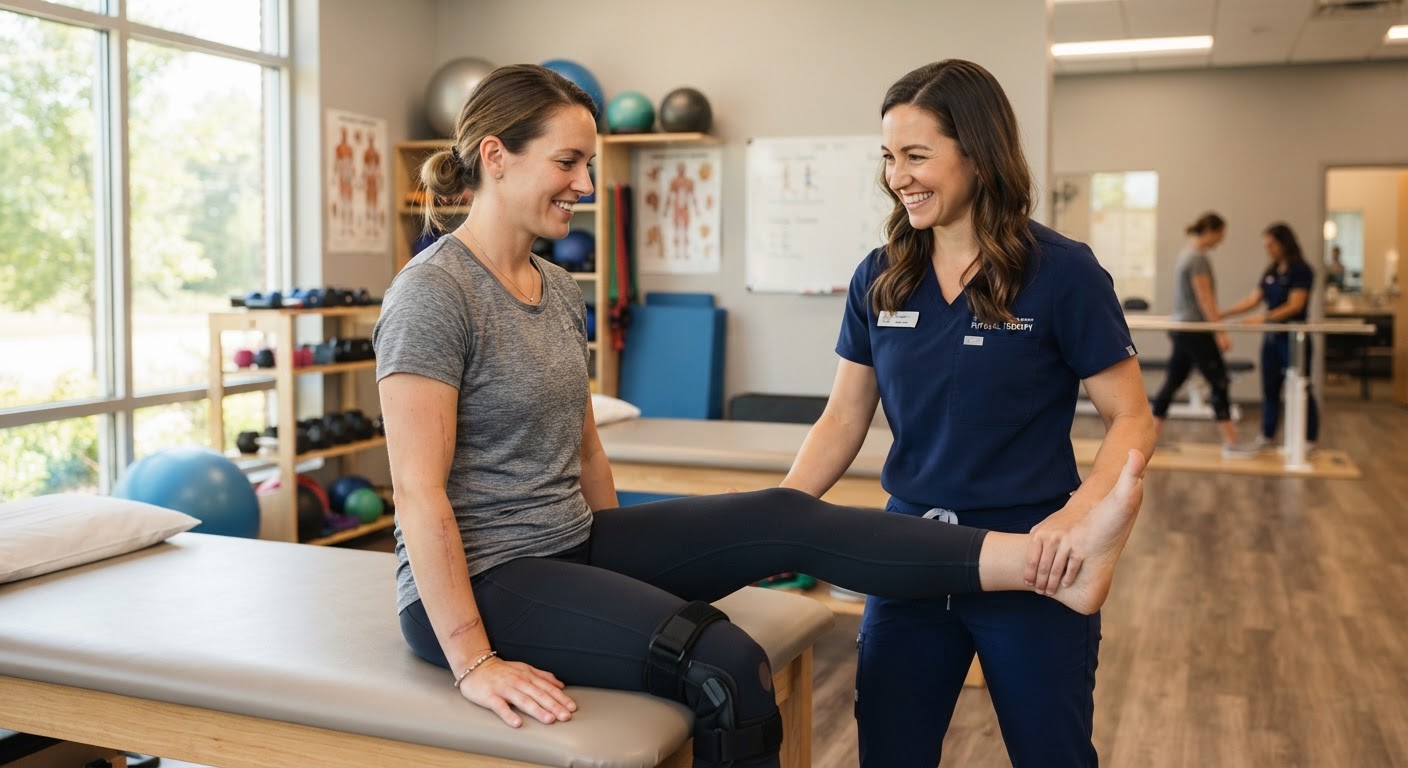
The First 14 Days After a Car Accident: Why Early Physical Therapy Matters
Experiencing a car accident can be a traumatic and disorienting event. While immediate concerns often revolve around vehicle damage and insurance claims, understanding the potential impact on your body, especially in the first two weeks, is paramount. Many injuries sustained in motor vehicle accidents may not present with immediate, obvious symptoms, making early and appropriate medical evaluation and intervention crucial. Physical Therapy NOW™ understands the complexities of these injuries and the importance of timely care.
Understanding Common Car Accident Injuries
Car accidents, even seemingly minor ones, can cause a variety of musculoskeletal injuries due to the sudden forces exerted on the body. These forces can lead to sprains, strains, and contusions. Some of the most frequently observed conditions include:
Whiplash-Associated Disorders (WAD): This is a common neck injury caused by a rapid back-and-forth movement of the head, similar to the cracking of a whip. It can affect the muscles, ligaments, discs, and nerves in the cervical spine. Symptoms may include neck pain and stiffness, headache, dizziness, shoulder pain, and even visual disturbances.
Back Pain: The sudden impact can compress or hyperextend the spine, leading to strains of the paraspinal muscles, ligamentous sprains, or even disc injuries (bulges or herniations) in the lumbar or thoracic spine. This can manifest as localized pain, muscle spasms, or radiating pain into the buttocks or legs (sciatica).
Shoulder and Extremity Injuries: Bracing for impact or direct trauma can lead to rotator cuff strains, shoulder impingement, or sprains in the wrist, elbow, or knees. These can result in pain, limited range of motion, and weakness.
Soft Tissue Contusions: Direct impact can cause bruising and damage to muscles and other soft tissues, leading to pain, swelling, and tenderness.
Concussion/Traumatic Brain Injury (TBI): While often associated with direct head trauma, even significant whiplash can cause concussive forces on the brain. Symptoms can include headaches, dizziness, confusion, nausea, sensitivity to light/sound, and difficulty concentrating.
Symptoms and Red Flags Warranting Medical Evaluation
It is essential to be aware of symptoms that might indicate a more serious injury requiring immediate medical attention. Do not delay seeking care if you experience any of the following:
Severe, worsening, or radiating pain Numbness, tingling, or weakness in the arms or legs Loss of bladder or bowel control Difficulty walking or maintaining balance Dizziness, blurred vision, or persistent headaches Confusion, memory problems, or changes in personality Fever accompanying pain (rare but can indicate infection)
Even if symptoms seem mild initially, they can often worsen over hours or days. A thorough medical evaluation soon after an accident is crucial to identify potential issues early.
Diagnosis After a Car Accident
Diagnosis typically begins with a comprehensive physical examination by a healthcare professional. This will include assessing your range of motion, strength, reflexes, and sensation. You will be asked about the accident mechanism, your symptoms, and your medical history. Depending on the findings, imaging studies may be ordered:
X-rays: To rule out fractures or significant bony abnormalities. MRI (Magnetic Resonance Imaging): Often used to visualize soft tissues like ligaments, tendons, muscles, and intervertebral discs, providing more detail for suspected sprains, strains, or disc injuries. CT Scans: May be used in cases of suspected head injury or complex fractures.
Physical Therapy's Role in Recovery: The First 14 Days and Beyond
Physical therapy plays a pivotal role in the recovery process after a car accident, especially when initiated early. The first 14 days are often referred to as the acute inflammatory phase. During this time, the body's natural response to injury involves inflammation, pain, and muscle guarding. Physical therapy during this phase focuses on managing these immediate symptoms and preventing the development of chronic issues.
Phases of Care and Interventions:
Phase 1: Acute Stage (Days 0-14, approximately) Goal: Reduce pain and inflammation, protect injured tissues, restore initial range of motion, and educate the patient. Interventions: Modalities: Ice/heat therapy, gentle electrical stimulation (e-stim) to reduce pain and muscle spasm. Gentle Range of Motion Exercises: Passive or active-assistive movements to prevent stiffness and maintain mobility without exacerbating injury. Manual Therapy: Soft tissue mobilization, gentle joint mobilizations to address muscle tightness and joint restrictions. Patient Education: Instruction on proper posture, body mechanics, pain management strategies, and activity modification to protect the injured area.
Phase 2: Subacute Stage (Weeks 2-6, approximately) Goal: Improve strength, flexibility, endurance, and function; reduce compensatory patterns. Interventions: Progressive Strengthening: Targeted exercises for weak muscles, often using light resistance bands or body weight. Stretching and Flexibility: To restore full range of motion and address muscle imbalances. Neuromuscular Re-education: Exercises to improve balance, coordination, and proprioception (body awareness). Aerobic Conditioning: Low-impact activities to improve overall endurance and circulation.
Phase 3: Functional Restoration/Chronic Stage (Weeks 6+, as needed) Goal: Return to full activities, prevent recurrence, and optimize long-term health. Interventions: Advanced Strengthening and Conditioning: Sport-specific or work-specific exercises. Balance and Agility Training: For higher-level functional demands. Ergonomic Assessment and Modification: For work or home environments. Continued Patient Education: Self-management strategies, home exercise program progression.
Realistic Recovery Timeframes
Recovery from car accident injuries is highly individual and depends on several factors, including the severity of the injury, age, overall health, and adherence to the physical therapy program. Many soft tissue injuries can see significant improvement within 6-12 weeks with consistent physical therapy. More severe injuries, such as disc herniations or fractures, may require several months of rehabilitation. Chronic pain can develop if initial injuries are not properly managed, highlighting the importance of early and consistent care.
When to Refer / When to Seek Care
For Patients: If you've been in a car accident, even if you feel fine immediately afterward, it is highly recommended to seek medical evaluation within a few days. Symptoms can be delayed, and early intervention can prevent minor issues from becoming major problems. If you experience any of the red flag symptoms mentioned above, seek immediate medical attention. Your physician may then refer you to physical therapy. You may also have direct access to physical therapy in Florida, allowing you to seek care without a physician referral.
For Referring Physician Offices: Consider referring patients for physical therapy evaluation within the first 7-14 days following a car accident, even for seemingly mild injuries, unless there are immediate surgical indications. Early physical therapy intervention can help manage acute pain and inflammation, prevent stiffness, educate patients on appropriate activity modification, and establish a baseline for recovery. This proactive approach can significantly reduce the risk of chronicity and improve long-term functional outcomes for your patients.
Practical Self-Care Guidance
While under the care of a healthcare professional, there are several self-care strategies you can employ:
Rest: Protect the injured area from further strain, especially in the initial days. Ice/Heat: Use ice packs for the first 24-48 hours to reduce swelling, then transition to heat to relax muscles, as advised by your physical therapist. Gentle Movement: Perform only the exercises and stretches prescribed by your physical therapist. Avoid movements that cause sharp pain. Posture Awareness: Pay attention to your posture while sitting, standing, and sleeping to minimize strain on your neck and back. Stress Management: Accidents are stressful. Practices like deep breathing, mindfulness, or light stretching can help manage pain and anxiety. Hydration and Nutrition: Support your body's healing process with adequate water intake and a balanced diet.
The initial days and weeks following a car accident are a critical window for your recovery. By seeking early evaluation and engaging in a tailored physical therapy program, you can significantly influence your long-term outcome, reduce pain, restore function, and prevent chronic issues. Physical Therapy NOW™ is committed to helping you navigate this journey toward a complete and lasting recovery. Your health and well-being are our priority, and with timely, expert care, you can regain control and get back to living your life.
Ready to feel better? Physical Therapy NOW™ has 40+ Florida locations, most with same-week appointments and no referral required in most cases.
Schedule now at https://physicaltherapynow.com/schedule · Call 800.481.4582
Ready to start feeling better?
Physical Therapy NOW™ has 40+ Florida locations with same-week appointments. Most insurance, auto accident (PIP), workers' compensation and Medicare accepted.