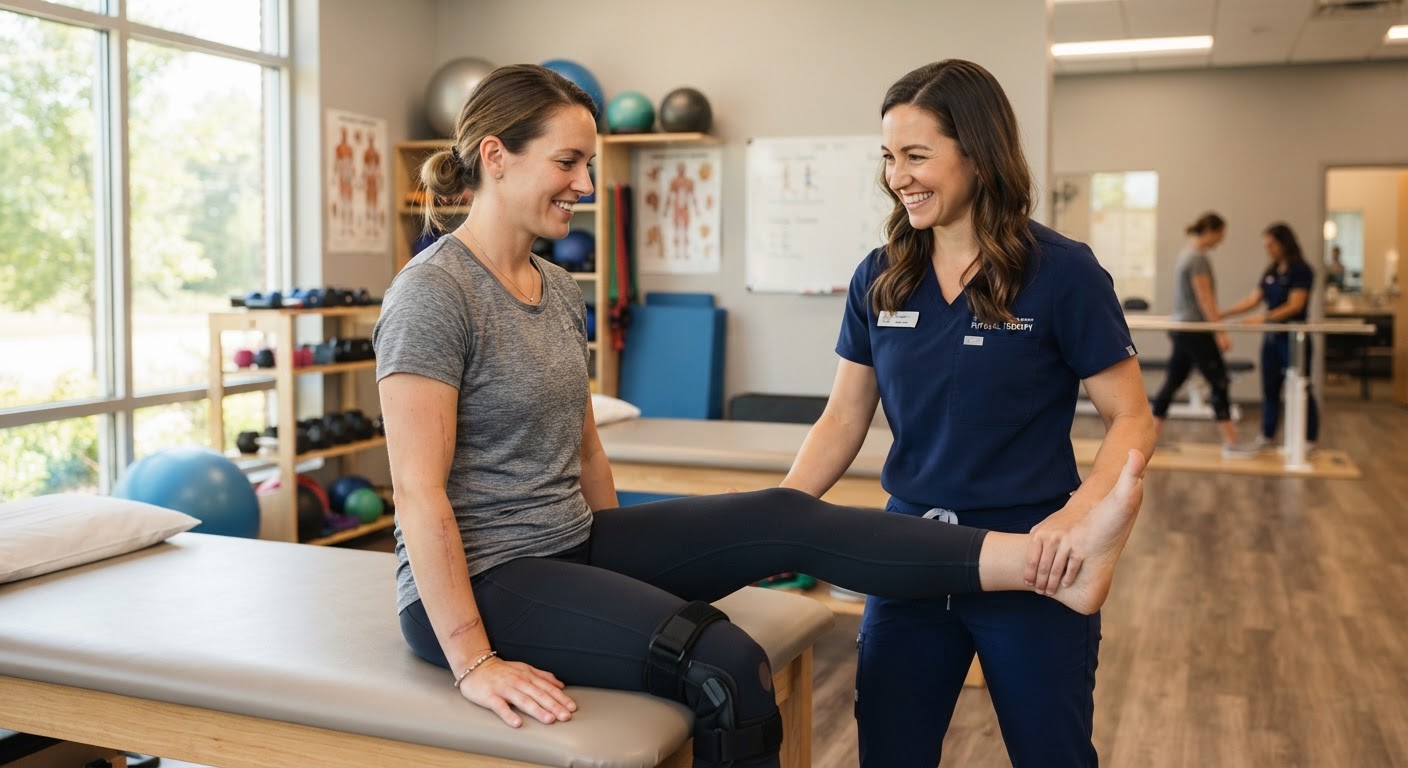
The aftermath of a car accident can be disorienting and stressful. While immediate concerns often revolve around vehicle damage and insurance claims, understanding the potential impact on your body, and acting swiftly, is paramount for a successful recovery. Many individuals might feel minimal pain immediately following a collision, only for symptoms to emerge days or even weeks later. This delay can lead to a false sense of security, delaying critical care. At Physical Therapy NOW™, we emphasize the importance of early intervention, particularly within the first 14 days after a car accident, to address injuries effectively and prevent long-term complications.
Understanding Common Car Accident Injuries
Car accidents, even seemingly minor ones, can exert significant forces on the body, leading to a range of musculoskeletal injuries. These injuries often involve soft tissues—muscles, ligaments, tendons, and fascia—but can also affect joints, nerves, and bones.
Whiplash-Associated Disorders (WADs): This is perhaps the most common injury following a rear-end collision. Whiplash occurs when the head is suddenly and forcefully thrown forward and backward (or side-to-side), stretching and tearing the soft tissues in the neck. It's not just a neck injury; WADs can encompass a complex range of symptoms impacting the head, shoulders, and upper back.
Muscle Strains and Sprains: These can occur in the neck, back (thoracic and lumbar spine), shoulders, and even extremities as the body braces or twists during impact. Strains involve muscles or tendons, while sprains affect ligaments. The rapid acceleration and deceleration can cause these tissues to stretch beyond their normal limits.
Disc Injuries: The intervertebral discs that cushion the spine can be herniated or bulging due to sudden compressive or shearing forces. This can lead to pain, numbness, or weakness if the disc material presses on spinal nerves.
Contusions and Fractures: Direct impact or violent movement can cause bruising (contusions) or, in more severe cases, fractures to bones in the spine, ribs, or limbs.
Nerve Impingement: Swelling, muscle spasm, or disc injury can irritate or compress nerves, leading to radiating pain, tingling, numbness, or weakness in the arms, hands, legs, or feet.
Common Causes of These Injuries
The primary cause is the transfer of kinetic energy during the collision. Even at low speeds, the forces involved can be substantial. The body's sudden deceleration or acceleration, often unexpected, prevents muscles from adequately bracing for impact. This leads to the overstretching, tearing, or compression of tissues. Factors like the direction of impact, seatbelt use, airbag deployment, and headrest position can influence the type and severity of injuries sustained.
Symptoms and Red Flags Warranting Medical Evaluation
Symptoms can vary widely depending on the injury, but common indicators include:
Neck Pain and Stiffness: Often radiating to the shoulders or base of the skull.
Back Pain: Localized or radiating to the buttocks or legs.
Headaches: Especially tension headaches or those originating from the neck.
Muscle Spasms and Tenderness: Areas feeling tight, sore, or painful to touch.
Reduced Range of Motion: Difficulty turning your head, bending, or lifting arms.
Numbness, Tingling, or Weakness: In the arms, hands, legs, or feet, indicating potential nerve involvement.
Dizziness or Vertigo: Can be associated with whiplash or concussion.
Fatigue and Difficulty Sleeping: Due to pain or discomfort.
Red flags that warrant immediate medical attention include:
Severe, unremitting pain Loss of consciousness at the scene or new onset of confusion Significant weakness or inability to move a limb Sudden vision changes or double vision Loss of bowel or bladder control Fever combined with pain
These symptoms suggest a potentially more serious injury requiring urgent assessment.
Typical Diagnosis of Car Accident Injuries
Diagnosis usually begins with a thorough medical history, including details of the accident, and a physical examination. Healthcare providers will assess range of motion, muscle strength, reflexes, and sensation. Imaging studies may be ordered depending on the findings:
X-rays: To rule out fractures or significant spinal misalignment.
MRI (Magnetic Resonance Imaging): Excellent for visualizing soft tissues like muscles, ligaments, tendons, and intervertebral discs, and for detecting nerve impingement or disc herniations.
CT Scans (Computed Tomography): Can provide detailed images of bone injuries and may be used if MRI is contraindicated or unavailable.
Electromyography (EMG) and Nerve Conduction Studies (NCS): Less common acutely, but may be used later to assess nerve damage if symptoms persist.
How Physical Therapy Treats Car Accident Injuries
Physical therapy is a cornerstone of recovery for most car accident injuries. It focuses on reducing pain, restoring function, and preventing chronicity. The approach is typically multi-phased and individualized.
Phase 1: Acute Pain Management and Protection (First Days to 2 Weeks)
Goal: Reduce inflammation, manage pain, and protect injured tissues.
Interventions:
Modalities: Ice or heat to manage pain and swelling. Gentle Range of Motion Exercises: To prevent stiffness and promote circulation without exacerbating pain. Manual Therapy: Gentle soft tissue mobilization or massage to reduce muscle spasm and improve tissue extensibility. Patient Education: Instruction on proper posture, body mechanics, and activity modification to avoid re-injury.
Phase 2: Restoration of Movement and Strength (2 Weeks to 6-8 Weeks)
Goal: Improve flexibility, strength, and normalize movement patterns.
Interventions:
Progressive Stretching and Strengthening Exercises: Targeted exercises to rebuild muscle strength and endurance, and improve joint flexibility. Manual Therapy: More advanced techniques like joint mobilization to address joint stiffness and restrictions. Neuromuscular Re-education: Exercises to improve balance, coordination, and proprioception (the body's awareness in space). Ergonomic and Postural Training: Further guidance on maintaining proper alignment during daily activities.
Phase 3: Functional Restoration and Return to Activity (6-8 Weeks and Beyond)
Goal: Prepare the patient for a full return to work, hobbies, and sports, and prevent future injury.
Interventions:
Sport-Specific or Work-Specific Rehabilitation: Exercises that mimic the demands of the patient's desired activities. Advanced Balance and Agility Training: For higher-level function. Continued Strengthening and Conditioning: To ensure full recovery and resilience. Self-Management Strategies: Empowering patients with home exercise programs and pain management techniques.
Realistic Recovery Timeframes
Recovery is highly individual and depends on the severity of the injury, adherence to the treatment plan, and overall health. For most soft tissue injuries, significant improvement can be seen within 6-12 weeks with consistent physical therapy. However, full resolution and return to pre-injury function might take 3-6 months or longer for more complex cases. Early and consistent physical therapy plays a crucial role in shortening these timeframes and achieving optimal outcomes.
When to Refer / When to Seek Care
For Patients: Seek medical evaluation promptly after any car accident, even if you feel fine. Symptoms can be delayed. If you experience any pain, stiffness, numbness, tingling, or reduced movement after an accident, consult your physician. They can refer you for physical therapy. Do not wait for symptoms to worsen.
For Physicians: Consider referring patients for physical therapy evaluation within the first 14 days following a car accident, especially for those presenting with neck pain, back pain, or other musculoskeletal symptoms. Early intervention can mitigate pain, prevent chronic issues, and improve long-term functional outcomes. A thorough physical therapy assessment can help differentiate between various soft tissue injuries and guide appropriate care.
Practical, Actionable Self-Care Guidance
Beyond formal therapy, certain self-care practices can aid recovery:
RICE Protocol (Rest, Ice, Compression, Elevation): Apply ice to acute injuries for 15-20 minutes several times a day to reduce swelling and pain.
Gentle Movement: Unless advised otherwise by a healthcare professional, avoid prolonged immobilization. Gentle, pain-free movement can promote healing and prevent stiffness.
Listen to Your Body: Avoid activities that significantly increase pain. Pushing through severe pain can delay healing.
Maintain Good Posture: Be mindful of your posture while sitting, standing, and sleeping to reduce strain on injured areas.
Stay Hydrated and Eat Nutritious Foods: Proper nutrition supports the body's healing processes.
Manage Stress: Stress can heighten pain perception. Practice relaxation techniques like deep breathing or meditation.
The importance of early physical therapy intervention after a car accident cannot be overstated. By addressing injuries promptly within the first 14 days, you can significantly influence your recovery trajectory, reduce the risk of chronic pain, and restore your quality of life. The skilled therapists at Physical Therapy NOW™ are dedicated to guiding you through each stage of your rehabilitation, helping you regain strength, flexibility, and confidence.
Ready to feel better? Physical Therapy NOW™ has 40+ Florida locations, most with same-week appointments and no referral required in most cases.
Schedule now at https://physicaltherapynow.com/schedule · Call 800.481.4582
Ready to start feeling better?
Physical Therapy NOW™ has 40+ Florida locations with same-week appointments. Most insurance, auto accident (PIP), workers' compensation and Medicare accepted.