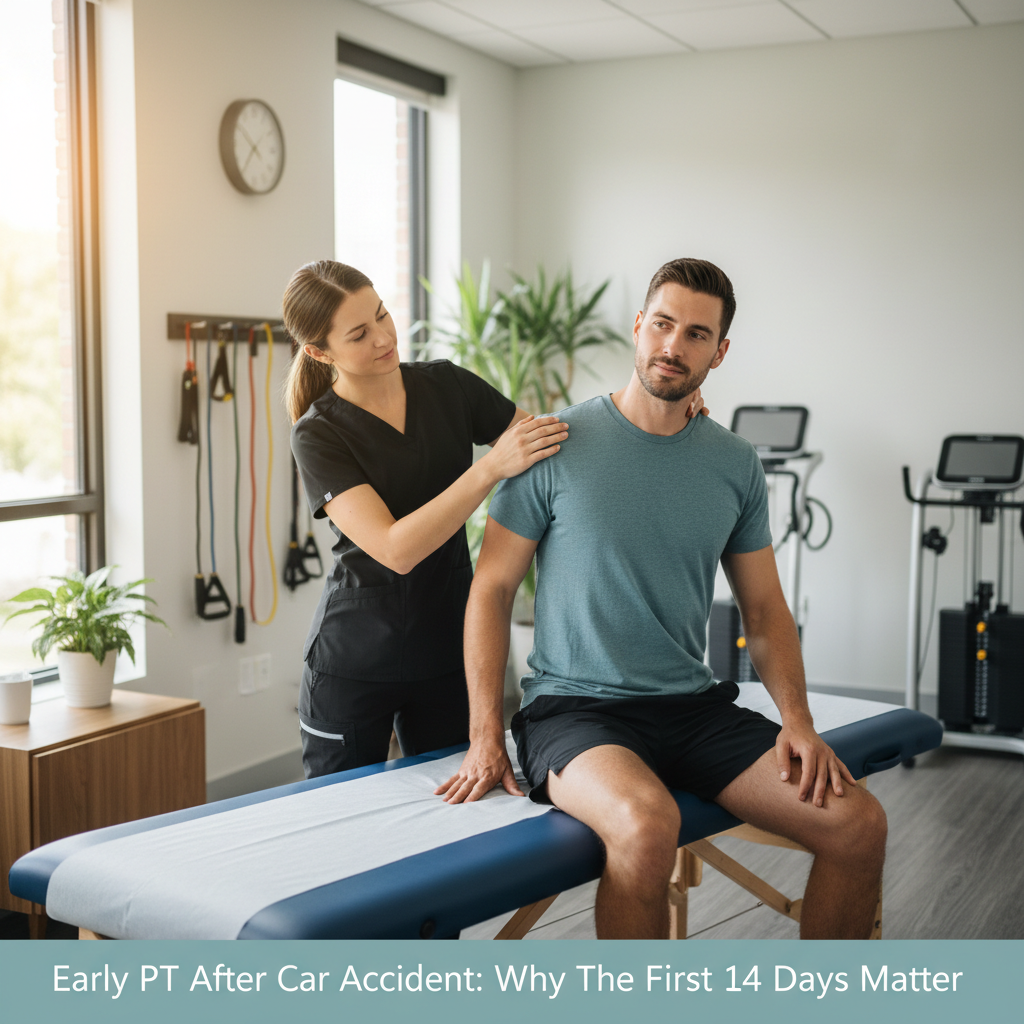
The First 14 Days After a Car Accident: Why Early PT Matters
A car accident, even a seemingly minor one, can be a profoundly jarring experience. Beyond the immediate shock and stress, the physical toll on the body can be significant, often manifesting days or even weeks later. While the adrenaline of the incident might mask pain initially, delaying evaluation and treatment can have long-term consequences for your health and recovery. This article will explain why seeking early physical therapy, particularly within the first 14 days after a car accident, is not just beneficial but often critical for optimal healing.
Understanding Common Car Accident Injuries
Car accidents can cause a wide range of injuries, even at low speeds. The sudden forces involved, including acceleration, deceleration, and rotational movements, can strain soft tissues, misalign joints, and irritate nerves. Some of the most frequently encountered injuries include:
Whiplash Associated Disorders (WAD): This is perhaps the most well-known car accident injury. It occurs when the head is suddenly jerked forward and backward, similar to the cracking of a whip. This motion can strain the muscles, ligaments, and tendons in the neck, and can also impact discs and nerve roots.
Soft Tissue Sprains and Strains: Beyond the neck, other areas like the back, shoulders, hips, and knees can suffer sprains (ligament damage) or strains (muscle or tendon damage) due to impact or bracing for impact.
Concussion/Mild Traumatic Brain Injury (MTBI): The head impacting a surface or even the rapid movement of the brain within the skull can cause a concussion. Symptoms can be subtle and delayed.
Disc Injuries: The force of an impact can cause intervertebral discs in the spine to bulge or herniate, leading to nerve compression and pain.
Contusions and Fractures: Direct impact can lead to bruising (contusions) or, in more severe cases, fractures of bones, though these are typically identified quickly through medical imaging.
Common Causes of These Injuries
These injuries are typically caused by the rapid transfer of kinetic energy during a collision. Whether it's a rear-end collision, side impact, or head-on crash, the body's tissues are subjected to forces beyond their normal physiological limits. Factors like seatbelt use, airbag deployment, vehicle speed, and occupant position can influence the type and severity of injuries sustained.
Symptoms and Red Flags That Warrant Medical Evaluation
It is crucial to monitor your body closely after an accident, even if you feel fine initially. Adrenaline can mask pain, and some symptoms can be delayed. Here are common symptoms to watch for:
Neck Pain or Stiffness: Often developing hours or days after the accident. Headaches: Can be immediate or delayed, and may indicate whiplash or concussion. Shoulder, Back, or Hip Pain: Localized pain or pain radiating into an extremity. Numbness, Tingling, or Weakness: These are red flags indicating potential nerve involvement and require prompt medical assessment. Difficulty Moving: Reduced range of motion in the neck, back, or limbs. Dizziness or Vertigo: Can be a sign of concussion or inner ear disturbance. Fatigue, Difficulty Concentrating, or Memory Issues: Common signs of concussion. Visual Disturbances: Blurred vision or sensitivity to light.
Any of these symptoms, especially those that are new or worsening, should prompt an immediate medical evaluation. It is always better to err on the side of caution.
How Injuries Are Typically Diagnosed
Diagnosis usually begins with a thorough medical history, where you'll describe the accident and your symptoms. A physical examination will assess your range of motion, strength, reflexes, and sensation. Depending on the findings, a physician may order diagnostic imaging, such as X-rays, MRI (Magnetic Resonance Imaging), or CT scans. X-rays are good for ruling out fractures, while MRIs are excellent for visualizing soft tissues like muscles, ligaments, tendons, and discs. CT scans may be used to assess bone injuries or certain types of head trauma. These diagnostic tools help confirm the nature and extent of your injuries and guide the treatment plan.
How Physical Therapy Treats Car Accident Injuries
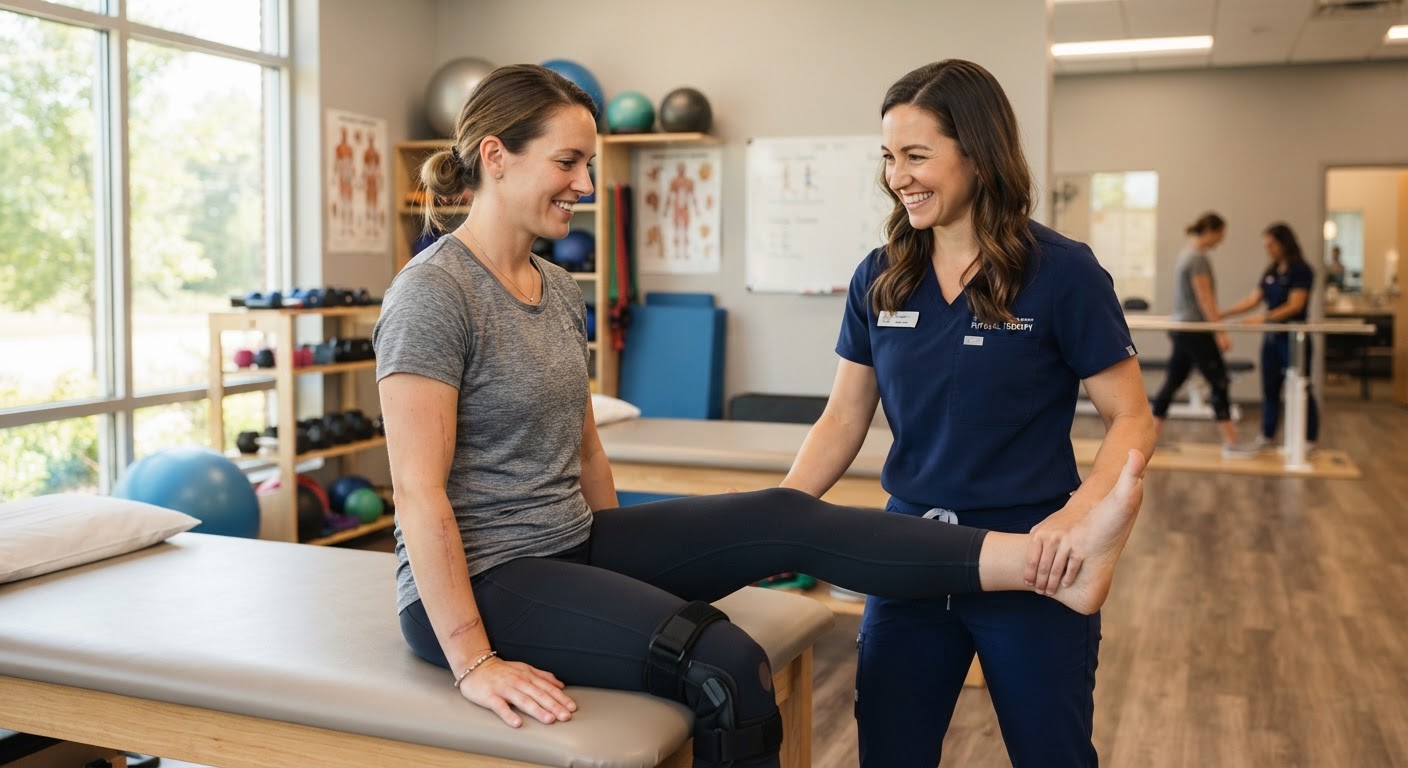
Physical therapy plays a pivotal role in the recovery process after a car accident. The goal is not just to alleviate pain but to restore full function, prevent chronic issues, and educate the patient on self-management strategies. Physical Therapy NOW™ focuses on evidence-based approaches to help patients regain their health.
Phases of Care:
Acute Phase (Days 1-14, sometimes longer): The initial focus is on pain and inflammation control, protecting injured tissues, and gentle movement. Therapists use modalities like ice, gentle manual therapy, and light exercises to reduce swelling and spasm while maintaining some range of motion.
Subacute Phase (Weeks 2-6): As pain decreases, the focus shifts to restoring range of motion, improving flexibility, and beginning to re-establish strength and endurance. This phase involves more active exercises, stretching, and targeted strengthening.
Remodeling/Return to Function Phase (Weeks 6+): This phase concentrates on advanced strengthening, proprioceptive (balance and coordination) training, and functional exercises that mimic daily activities and work-related tasks. The goal is to return the individual to their pre-injury level of activity.
Example Interventions:
Manual Therapy: Hands-on techniques such as mobilization, massage, and gentle stretching to reduce pain, improve joint movement, and decrease muscle tension. Therapeutic Exercises: Tailored exercise programs to restore flexibility, strength, endurance, and coordination. Modalities: Use of ice, heat, or electrical stimulation to manage pain and inflammation. Neuromuscular Re-education: Exercises to improve balance, coordination, and body awareness, particularly important for whiplash and concussion recovery. Patient Education: Guidance on posture, body mechanics, pain management strategies, and home exercise programs.
Realistic Recovery Timeframes:
Recovery time is highly individual and depends on the severity of the injury, the patient's overall health, and adherence to the treatment plan. While some individuals with minor soft tissue injuries may feel significantly better within a few weeks, others with more complex injuries, such as disc herniations or significant whiplash, may require several months of consistent therapy. Early intervention is key to preventing the progression to chronic pain, which can prolong recovery significantly. Most individuals see substantial improvement within 6-12 weeks with consistent physical therapy, although full recovery might extend beyond that for more severe cases.
When to Refer / When to Seek Care
For Patients: If you have been involved in a car accident, even if you feel no immediate pain, it is advisable to seek a medical evaluation within the first 72 hours. If you experience any pain, stiffness, numbness, headaches, dizziness, or difficulty with movement in the days or weeks following the accident, contact your primary care physician or seek an evaluation from a physical therapist. Early assessment can identify potential issues before they become chronic.
For Physicians: Consider referring patients for physical therapy evaluation within the first 14 days following a motor vehicle collision, especially for patients presenting with whiplash-associated disorders, back pain, or other musculoskeletal complaints without significant neurological deficits or fractures requiring immediate surgical intervention. Early referral facilitates optimal healing, reduces the likelihood of chronic pain, and supports a faster return to functional activities. Physical Therapy NOW™ provides comprehensive evaluation and individualized treatment plans based on clinical guidelines.
Practical Self-Care Guidance
Beyond formal therapy, certain self-care strategies can support your recovery:
Rest: Allow your body adequate rest, especially in the acute phase, but avoid prolonged bed rest, which can be counterproductive. Gentle Movement: As advised by your therapist, engage in light, pain-free movements to maintain circulation and prevent stiffness. Ice and Heat: Use ice packs for acute pain and swelling, and heat for muscle relaxation, following your therapist's recommendations. Maintain Good Posture: Be mindful of your posture, particularly when sitting or using electronic devices, to minimize strain on your neck and back. Stay Hydrated and Eat Nutritiously: Support your body's healing processes with a healthy diet and ample water intake. Follow Your Home Exercise Program: Consistency with prescribed exercises is crucial for long-term success.
The period immediately following a car accident is a critical window for intervention. Choosing to pursue physical therapy early can significantly impact your recovery trajectory, helping to alleviate pain, restore function, and prevent the development of chronic conditions. Prioritizing your physical well-being in these first 14 days sets the foundation for a healthier future.
Ready to feel better? Physical Therapy NOW™ has 40+ Florida locations, most with same-week appointments and no referral required in most cases.
Schedule now at https://physicaltherapynow.com/schedule · Call 800.481.4582
Ready to start feeling better?
Physical Therapy NOW™ has 40+ Florida locations with same-week appointments. Most insurance, auto accident (PIP), workers' compensation and Medicare accepted.