The First 14 Days After a Car Accident: Why Early PT Matters
A car accident can be a jarring, life-altering event. Beyond the immediate shock and property damage, the physical toll can be significant, often appearing days or even weeks after the incident. Many individuals initially feel fine, only for pain, stiffness, and other symptoms to emerge later. Understanding why prompt medical evaluation and, crucially, early physical therapy intervention, especially within the first 14 days, is vital for optimal recovery and preventing long-term complications. Physical Therapy NOW™ understands the unique challenges faced by those recovering from auto accident injuries.
Understanding Common Auto Accident Injuries
Car accidents can result in a wide range of injuries, even in seemingly minor collisions. The forces involved, including rapid acceleration, deceleration, and impact, can strain muscles, ligaments, tendons, and joints. Some of the most common injuries include:
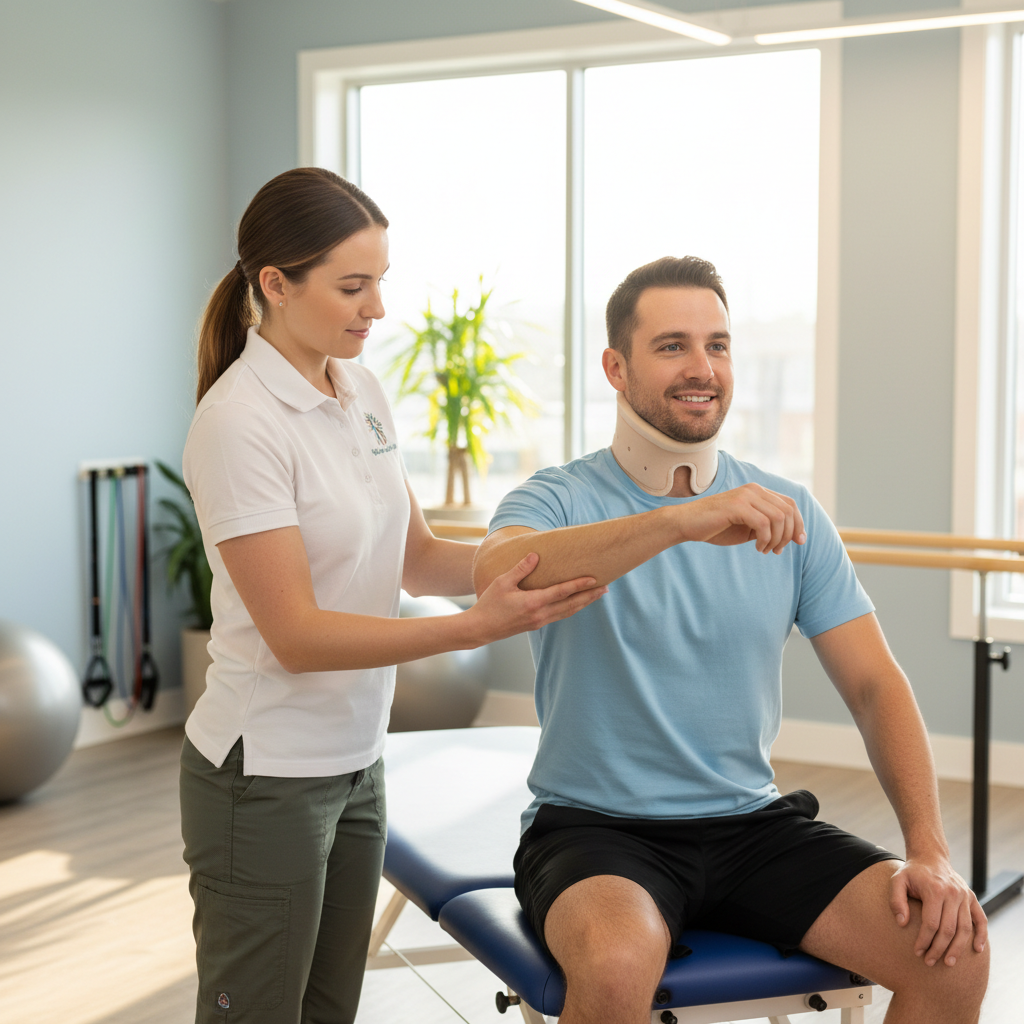
Whiplash Associated Disorders (WAD): This is perhaps the most well-known injury from car accidents. It occurs when the head is suddenly forced backward and then forward, like the cracking of a whip. This motion can stretch and tear the soft tissues in the neck and upper back, leading to pain, stiffness, headaches, and sometimes neurological symptoms.
Soft Tissue Sprains and Strains: Beyond whiplash, other areas of the body, such as the lower back, shoulders, knees, and wrists, can suffer sprains (ligament damage) or strains (muscle or tendon damage) from direct impact or sudden movements.
Contusions: Bruises are common and can range from superficial to deep tissue injuries, sometimes indicative of underlying muscle damage.
Fractures: While less common in minor accidents, fractures of ribs, collarbones, or extremities can occur, requiring immediate medical attention.
Concussions: A type of traumatic brain injury resulting from a direct blow to the head or violent shaking. Symptoms can include headaches, dizziness, confusion, nausea, and sensitivity to light or sound.
Herniated Discs: The force of impact can cause the soft discs between the vertebrae to bulge or rupture, leading to nerve compression and symptoms like radiating pain, numbness, or weakness in the arms or legs.
Common Causes of These Injuries
The primary cause of these injuries is the sudden transfer of kinetic energy during a collision. Factors contributing to the severity of injuries include:
Speed of Impact: Higher speeds generally lead to greater force and more severe injuries.
Angle of Impact: Rear-end collisions are classic for whiplash, while side impacts can cause different types of trauma.
Body Positioning: The posture of an occupant at the moment of impact can influence which tissues are stretched or compressed.
Seatbelt Use and Airbag Deployment: While life-saving, seatbelts and airbags can also contribute to specific injury patterns, such as chest contusions from seatbelt pressure or facial injuries from airbag deployment.
Symptoms and Red Flags That Warrant Medical Evaluation
It is critical to seek medical evaluation promptly after any car accident, even if symptoms are not immediately apparent. The body's adrenaline response can mask pain, and some injuries develop over time. Watch for these symptoms:
Immediate or Delayed Pain: Any pain, even mild, in the neck, back, head, shoulders, or limbs.
Stiffness or Reduced Range of Motion: Difficulty turning the head, bending, or moving limbs.
Headaches: Especially new or worsening headaches, which could indicate whiplash or concussion.
Numbness, Tingling, or Weakness: These symptoms, particularly in the arms, hands, legs, or feet, can signal nerve involvement.
Dizziness or Vertigo: A feeling of imbalance or spinning.
Blurred Vision or Sensitivity to Light/Sound: Potential signs of concussion.
Difficulty Concentrating or Memory Issues: Also potential concussion symptoms.
Clicking, Popping, or Grinding Sounds: Especially in joints during movement.
Changes in Mood or Sleep Patterns: Can be related to pain, stress, or concussion.
Red flags that require urgent medical attention include severe head injury symptoms, loss of consciousness, significant bleeding, obvious deformity of a limb, or inability to move a body part.
How Injuries Are Typically Diagnosed
Diagnosis usually begins with a thorough medical history and physical examination by a healthcare provider. This includes assessing range of motion, muscle strength, reflexes, and sensation. Depending on the findings, further diagnostic tests may be ordered:
X-rays: To rule out fractures or bone misalignment.
MRI (Magnetic Resonance Imaging): Excellent for visualizing soft tissues like muscles, ligaments, tendons, and discs, and for detecting nerve compression.
CT (Computed Tomography) Scan: Can provide detailed images of bones and sometimes detect acute brain injuries.
Electromyography (EMG) / Nerve Conduction Studies (NCS): Used to evaluate nerve function and identify nerve damage.
How Physical Therapy Treats Auto Accident Injuries
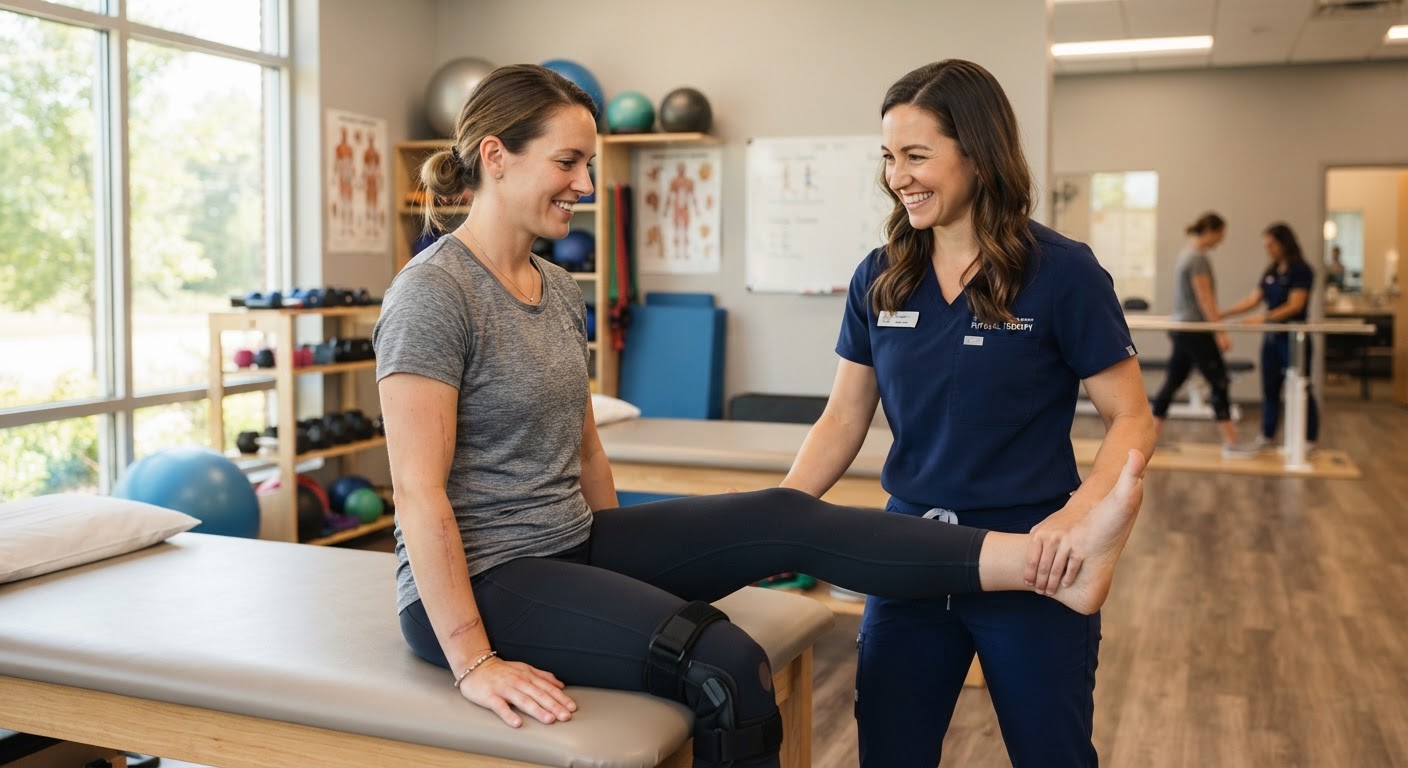
Physical therapy plays a pivotal role in the recovery process after a car accident. Early intervention, ideally within the first 14 days, is crucial for several reasons. During this acute phase, the body's inflammatory response is highest, and tissues begin to scar. Timely physical therapy can guide this healing process, prevent excessive scar tissue formation, maintain mobility, and reduce the risk of chronic pain. Physical Therapy NOW™ provides comprehensive treatment plans tailored to each individual's needs.
Phases of Care:
Acute Phase (Days 1-14+): Focus is on pain management, reducing inflammation, protecting injured tissues, and restoring very gentle, pain-free movement. Education on proper posture and body mechanics is also vital.
Subacute Phase (Weeks 2-6+): As pain subsides, the focus shifts to restoring range of motion, improving flexibility, and beginning gentle strengthening exercises. Manual therapy techniques are often used to address joint stiffness and muscle guarding.
Strengthening and Functional Retraining Phase (Weeks 6-12+): Progressive strengthening exercises are introduced, along with balance and proprioception training. The goal is to restore full function, endurance, and prepare the individual for their pre-injury activities.
Return to Activity/Sport Phase (Months 3+): This final phase ensures the individual can safely return to all desired activities, with specific drills and exercises to prevent re-injury.
Example Interventions:
Therapeutic Exercises: A carefully prescribed program of stretches and strengthening exercises to improve flexibility, strength, endurance, and coordination.
Manual Therapy: Hands-on techniques such as joint mobilization, soft tissue massage, and manual stretching to reduce pain, improve joint movement, and decrease muscle tension.
Modalities: Use of ice, heat, electrical stimulation, or ultrasound to manage pain and inflammation.
Posture and Ergonomic Education: Teaching proper body mechanics to protect the spine and other joints during daily activities.
Neuromuscular Re-education: Exercises to improve balance, coordination, and control of movement, especially important after whiplash or concussion.
Realistic Recovery Timeframes:
Recovery from car accident injuries is highly individual and depends on the severity of the injury, adherence to the treatment plan, and pre-existing conditions. Mild whiplash or muscle strains might resolve in a few weeks. More significant injuries, such as disc herniations or moderate concussions, can take several months. Chronic pain, if not addressed early, can persist for years. Early, consistent physical therapy greatly improves the chances of a faster and more complete recovery.
Self-Care Guidance
While under the care of a physical therapist, there are several practical self-care steps you can take:
Follow Your Home Exercise Program: Consistency with your prescribed exercises is crucial for progress.
Apply Ice/Heat as Directed: Use ice for acute pain and swelling, and heat for muscle stiffness (as advised by your therapist).
Maintain Good Posture: Be mindful of your posture during sitting, standing, and sleeping to reduce strain.
Stay Hydrated and Eat Nutritious Foods: Supports the body's natural healing processes.
Listen to Your Body: Avoid activities that significantly increase pain. Pain is your body's signal.
Manage Stress: Car accidents are stressful. Incorporate relaxation techniques if needed.
When to Refer / When to Seek Care
For Patients: If you have been involved in a car accident, seek medical evaluation as soon as possible, ideally within 24-72 hours, even if you feel fine. Symptoms often appear later. Once medically cleared for physical therapy, begin treatment without delay, especially within the first 14 days, to prevent acute injuries from becoming chronic.
For Referring Physician Offices: Referral to physical therapy is recommended for patients presenting with musculoskeletal pain, stiffness, restricted range of motion, or neurological symptoms following a motor vehicle collision, once emergent conditions are ruled out. Early referral allows for timely intervention in the acute inflammatory phase, promoting optimal healing and minimizing the progression to chronic pain or disability. Physical therapy can effectively address whiplash-associated disorders, soft tissue sprains/strains, and post-concussion syndrome through a comprehensive, evidence-based approach.
The period immediately following a car accident is critical for your long-term health. By understanding the common injuries, recognizing symptoms, and committing to early physical therapy, you can significantly improve your recovery trajectory. Taking proactive steps within the first 14 days can make a profound difference in preventing chronic issues and restoring your quality of life.
Ready to feel better? Physical Therapy NOW™ has 40+ Florida locations, most with same-week appointments and no referral required in most cases.
Schedule now at https://physicaltherapynow.com/schedule · Call 800.481.4582
Ready to start feeling better?
Physical Therapy NOW™ has 40+ Florida locations with same-week appointments. Most insurance, auto accident (PIP), workers' compensation and Medicare accepted.