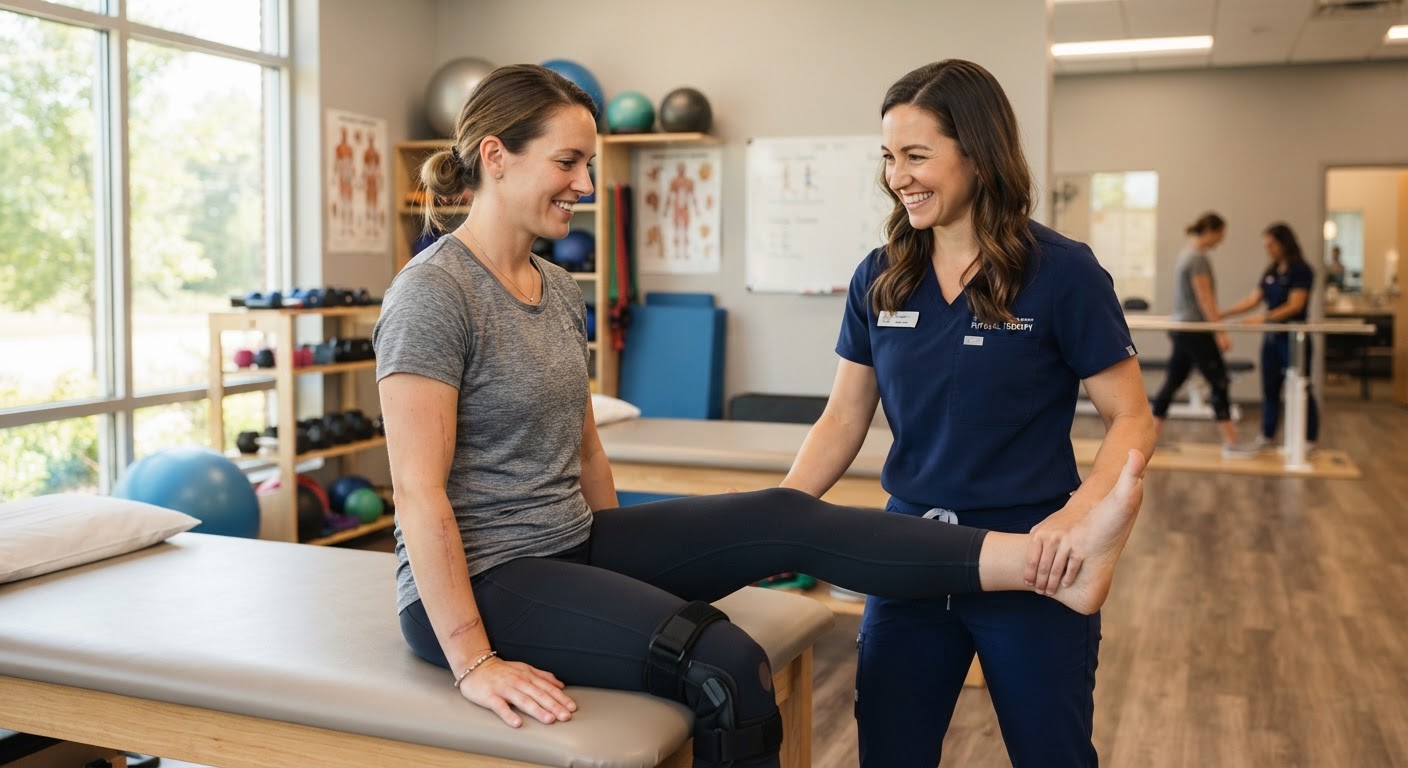
The First 14 Days After a Car Accident: Why Early PT Matters
Experiencing a car accident can be a traumatic and disorienting event. Beyond the immediate shock, injuries often manifest hours or even days later, making it crucial to understand the importance of prompt medical evaluation and early intervention, particularly physical therapy. The initial 14-day period following a collision is a critical window that can significantly impact your long-term recovery.
Understanding Common Car Accident Injuries
Car accidents can result in a wide range of injuries, even in seemingly minor collisions. While fractures and severe lacerations are often immediately apparent, many injuries affect the body's soft tissues – muscles, ligaments, tendons, and nerves – and may not present with immediate, acute pain. These are often referred to as whiplash-associated disorders (WADs) when affecting the neck, but similar injuries can occur throughout the spine and extremities.
Common injuries include:
Neck Sprains and Strains (Whiplash): This occurs when the head is suddenly and forcefully jolted forward and backward, stretching and tearing the soft tissues in the neck.
Back Sprains and Strains: Similar to whiplash, the sudden impact can cause ligaments and muscles in the thoracic (mid-back) and lumbar (lower back) spine to stretch or tear.
Shoulder Injuries: Impacts or bracing for impact can cause rotator cuff strains, shoulder impingement, or other soft tissue damage.
Knee Injuries: Direct impact to the dashboard or twisting motions can lead to meniscal tears, ligament sprains (ACL, PCL, MCL, LCL), or patellofemoral pain.
Contusions and Bruising: Impact with interior surfaces can cause deep bruising to muscles and bones.
Concussion: A mild traumatic brain injury caused by the sudden acceleration and deceleration of the head, even without direct impact.
Pinched Nerves (Radiculopathy): Swelling or disc herniation resulting from the accident can compress nerves, leading to pain, numbness, tingling, or weakness in the arms or legs.
Common Causes of Post-Accident Pain
The forces involved in a car accident, even at low speeds, can be substantial. These forces cause the body to move in ways it's not designed to, leading to the rapid overstretching, tearing, or compression of tissues. The body's immediate response to injury is inflammation, which is a natural healing process but also contributes to pain and stiffness. Muscles may also go into spasm as a protective mechanism, further restricting movement and increasing discomfort.
Over time, if not properly managed, this initial inflammation and muscle guarding can lead to scar tissue formation, loss of range of motion, chronic pain, and altered movement patterns. The psychological stress of the accident can also contribute to heightened pain perception and muscle tension.
Symptoms and Red Flags Warranting Medical Evaluation
It is always advisable to seek a medical evaluation promptly after any car accident, even if you feel fine initially. Adrenaline can mask pain, and some serious conditions may not present immediately. However, specific symptoms should prompt urgent medical attention:
Severe or Worsening Pain: Pain that increases significantly over hours or days, or pain that radiates down an arm or leg.
Numbness, Tingling, or Weakness: These could indicate nerve involvement.
Headaches, Dizziness, Nausea, Vomiting: Potential signs of concussion or more serious head injury.
Difficulty Moving a Limb: Inability to bear weight or move a joint through its normal range of motion.
Visual Disturbances or Speech Changes: These are critical signs requiring immediate medical assessment.
Loss of Bowel or Bladder Control: A rare but serious red flag indicating potential spinal cord compression.
How Injuries Are Typically Diagnosed
Diagnosis usually begins with a thorough medical history, including details about the accident mechanism, and a comprehensive physical examination by a physician. This will assess range of motion, muscle strength, reflexes, sensation, and palpate for tenderness.
Diagnostic imaging may be used to confirm or rule out certain injuries:
X-rays: Primarily used to rule out fractures or dislocations.
MRI (Magnetic Resonance Imaging): Excellent for visualizing soft tissues like ligaments, tendons, muscles, and intervertebral discs, helping to identify tears, herniations, or nerve compression.
CT Scan (Computed Tomography): Provides detailed images of bone and can be used when MRI is contraindicated or for specific types of fractures.
Electromyography (EMG) and Nerve Conduction Studies (NCS): These tests can assess nerve function and identify nerve damage or compression, often performed weeks after the initial injury.
How Physical Therapy Treats Car Accident Injuries
Physical therapy plays a pivotal role in recovering from car accident injuries. It focuses on restoring function, reducing pain, and preventing long-term disability. The treatment approach is highly individualized but generally follows distinct phases of care.
Acute Phase (Days 0-14, or up to 6 weeks):
Goal: Reduce pain and inflammation, protect injured tissues, and maintain mobility.
Interventions: Gentle range of motion exercises, ice/heat therapy, manual therapy techniques (soft tissue mobilization, gentle joint mobilizations) to reduce muscle spasm and improve tissue flexibility, patient education on proper posture, body mechanics, and activity modification to avoid aggravating the injury.
Subacute/Rehabilitation Phase (Weeks 2-12):
Goal: Restore strength, flexibility, endurance, and normal movement patterns.
Interventions: Progressive strengthening exercises for affected muscles, stretching, balance and proprioception training, more advanced manual therapy, neuromuscular re-education, and cardiovascular conditioning. Functional exercises that mimic daily activities are introduced.
Return to Activity/Function Phase (Weeks 6-months+):
Goal: Optimize physical capacity, return to work, sport, or previous activities, and prevent re-injury.
Interventions: Sport-specific or work-specific training, high-level balance and agility drills, and continued strengthening and flexibility. Education on self-management strategies and a home exercise program are emphasized.
Realistic Recovery Timeframes
Recovery timeframes vary significantly based on the severity of the injury, individual health factors, and adherence to the physical therapy program. Many soft tissue injuries can see significant improvement within 6-12 weeks. However, more complex injuries, nerve involvement, or chronic pain conditions may require several months of consistent therapy. It is important to have realistic expectations and understand that healing is a process, not an event.
Early physical therapy, ideally within the first 14 days, is crucial. During this initial period, inflammation is high, and tissues are most receptive to intervention that can guide proper healing. Delaying care can lead to increased stiffness, development of compensatory movement patterns, and greater difficulty in resolving pain, potentially extending recovery time and increasing the risk of chronic issues.
Practical Self-Care Guidance
While professional care is essential, there are practical steps you can take:
R.I.C.E. (Rest, Ice, Compression, Elevation): Apply ice to acute injuries for 15-20 minutes several times a day to reduce swelling and pain. Rest injured areas appropriately.
Gentle Movement: If advised by a medical professional, very gentle, pain-free movement can help prevent stiffness and promote circulation. Do not push into pain.
Maintain Good Posture: Be mindful of your posture, especially when sitting or standing, to minimize strain on your neck and back.
Stay Hydrated and Eat Nutritious Foods: Proper nutrition supports the body's healing processes.
Manage Stress: Car accidents are stressful. Practice relaxation techniques like deep breathing or meditation to help manage stress, which can also impact pain perception.
Follow Medical Advice: Adhere strictly to any instructions given by your doctor or physical therapist.
When to Refer / When to Seek Care
For Physicians: Consider referring patients who have experienced a car accident for a physical therapy evaluation as soon as acute medical conditions have been ruled out and the patient is stable. Early intervention is key to preventing chronic pain and disability, especially for whiplash-associated disorders and other musculoskeletal injuries. Physical Therapy NOW™ provides comprehensive evaluations and evidence-based treatment plans tailored to auto accident recovery.
For Patients: Seek medical attention immediately after a car accident, even if you don't feel injured. Once cleared by a physician, or if you begin experiencing pain, stiffness, headaches, numbness, or tingling, contact a physical therapist directly. Early assessment and treatment can significantly improve your recovery trajectory and prevent minor issues from becoming major problems.
Taking prompt action after a car accident is one of the most important steps you can take for your health. While the aftermath can be overwhelming, prioritizing your physical recovery is paramount. Early intervention with physical therapy can help manage pain, restore function, and set you on the path to a complete and lasting recovery. The team at Physical Therapy NOW™ is dedicated to supporting your healing journey with expert, compassionate care.
Ready to feel better? Physical Therapy NOW™ has 40+ Florida locations, most with same-week appointments and no referral required in most cases.
Schedule now at https://physicaltherapynow.com/schedule · Call 800.481.4582
Ready to start feeling better?
Physical Therapy NOW™ has 40+ Florida locations with same-week appointments. Most insurance, auto accident (PIP), workers' compensation and Medicare accepted.