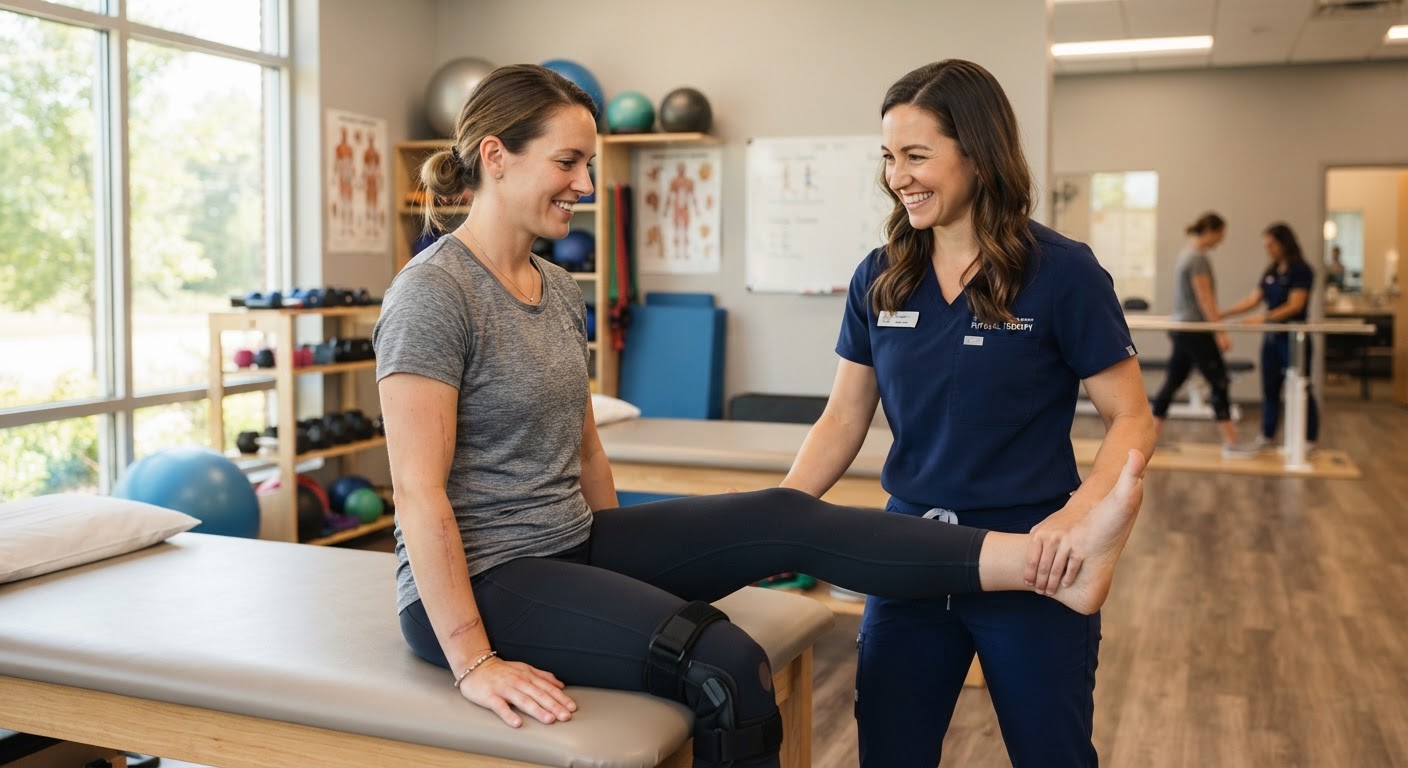
The immediate aftermath of a car accident can be disorienting, and the focus often shifts quickly to vehicle damage and insurance claims. However, it is paramount to prioritize your physical health, even if you feel fine initially. The first 14 days following an automobile collision are a critical window for assessing injuries and initiating appropriate care, particularly physical therapy. Early intervention can significantly influence your recovery trajectory, helping to prevent acute injuries from developing into chronic conditions.
Understanding Common Car Accident Injuries
Car accidents, even seemingly minor ones, can exert significant forces on the body, leading to a range of injuries. These injuries often involve soft tissues (muscles, ligaments, tendons), joints, and sometimes bones.
Whiplash-Associated Disorders (WAD): This is perhaps the most common injury. Whiplash occurs when the head and neck are suddenly forced backward and then forward, often tearing soft tissues in the neck. It can affect muscles, ligaments, discs, and nerves.
Sprains and Strains: Ligaments (connecting bones) and muscles/tendons (connecting muscles to bones) can be stretched or torn in the spine, shoulders, knees, and other joints due to the impact.
Contusions: Bruising from direct impact or seatbelt pressure.
Herniated or Bulging Discs: The force of an accident can cause the spinal discs, which cushion the vertebrae, to bulge or rupture, leading to nerve compression.
Fractures: While less common in minor accidents, bone fractures can occur.
Concussion: A mild traumatic brain injury caused by the brain moving rapidly inside the skull, which can occur even without direct head impact.
Common Causes of These Injuries
These injuries arise from the rapid acceleration, deceleration, and rotational forces exerted on the body during a collision. Factors influencing injury severity include the direction of impact, speed, seatbelt usage, airbag deployment, and the individual's position at the time of impact. Even low-speed collisions can cause substantial injury due to the body's susceptibility to sudden, uncontrolled movements.
Symptoms and Red Flags Warranting Medical Evaluation
Symptoms may not appear immediately after an accident; some can develop hours or even days later. This delayed onset is a primary reason why prompt medical evaluation is crucial, even if you feel okay.
Common Symptoms:
Neck pain or stiffness Headaches (especially starting at the base of the skull) Shoulder pain, stiffness, or limited range of motion Low back pain Radiating pain, numbness, or tingling into the arms, hands, legs, or feet Muscle spasms Dizziness or vertigo Fatigue Difficulty concentrating or memory issues Jaw pain (TMJ dysfunction)
Red Flags Requiring Immediate Medical Attention:
Severe, worsening pain Significant numbness, weakness, or loss of sensation in a limb Loss of bladder or bowel control Difficulty walking or maintaining balance Severe headache accompanied by confusion, vomiting, or vision changes Vision disturbances or double vision Loss of consciousness at the scene of the accident
If you experience any of these red flags, seek emergency medical care immediately. For other symptoms, it is still advisable to see a medical doctor for a thorough evaluation as soon as possible after the accident.
How Injuries Are Typically Diagnosed
A medical diagnosis typically begins with a comprehensive physical examination, including an assessment of your range of motion, reflexes, sensation, and muscle strength. Your doctor will ask about the accident details and your symptoms. Depending on the findings, imaging tests may be ordered:
X-rays: To rule out fractures or dislocations.
MRI (Magnetic Resonance Imaging): Often used to visualize soft tissues like muscles, ligaments, tendons, and spinal discs, and to detect nerve impingement.
CT Scan (Computed Tomography): May be used to assess bone injuries in more detail or in cases of suspected head injury.
It is important to remember that sometimes, imaging studies may not fully capture the extent of soft tissue injuries, which is where a skilled physical therapist can play a vital role in identifying functional limitations.
How Physical Therapy Treats Car Accident Injuries
Physical therapy is often a cornerstone of recovery following a car accident. Physical Therapy NOW™ focuses on evidence-based approaches to reduce pain, restore function, and prevent chronic issues. The treatment typically progresses through several phases:
Phase 1: Acute/Inflammatory Phase (Days 0-14, sometimes longer)
Goal: Reduce pain and inflammation, protect injured tissues.
Interventions: Your physical therapist might use modalities like ice, gentle heat, electrical stimulation, or ultrasound to manage pain and swelling. Education on proper posture, body mechanics, and activity modification to avoid aggravating the injury is crucial. Gentle, pain-free range-of-motion exercises may be introduced to prevent stiffness and promote circulation.
Phase 2: Repair/Proliferation Phase (Weeks 2-6, sometimes longer)
Goal: Restore pain-free range of motion, begin strengthening, improve flexibility.
Interventions: As pain subsides, your therapist will gradually introduce more active exercises. This may include manual therapy techniques (joint mobilizations, soft tissue massage) to improve joint mobility and tissue extensibility. Therapeutic exercises will focus on restoring normal movement patterns, improving flexibility, and beginning gentle strengthening of affected muscles.
Phase 3: Remodeling/Functional Phase (Weeks 6+, potentially several months)
Goal: Fully restore strength, endurance, balance, and return to prior activities.
Interventions: This phase involves progressive strengthening exercises, endurance training, and neuromuscular re-education to improve coordination and balance. Functional training, mimicking movements required for daily activities, work, or sports, is emphasized. Your therapist will help you build resilience and develop strategies to prevent future injury.
Example Interventions:
Therapeutic Exercise: Tailored exercises to improve strength, flexibility, and range of motion.
Manual Therapy: Hands-on techniques to mobilize joints, release muscle tension, and improve tissue mobility.
Neuromuscular Re-education: Exercises to improve balance, coordination, and control of movement.
Posture and Ergonomic Education: Guidance on maintaining proper body alignment to reduce stress on injured areas.
Pain Management Strategies: Education on self-management techniques and use of modalities.
Realistic Recovery Timeframes
Recovery timeframes vary significantly based on the severity and type of injury, individual health factors, and adherence to the treatment plan. While some individuals may feel significant improvement within a few weeks, a full recovery for more complex soft tissue injuries often takes several weeks to several months. Adhering to your physical therapy program and continuing home exercises are vital for optimal outcomes. Early and consistent physical therapy engagement in the initial days and weeks after an accident can substantially shorten your overall recovery time and reduce the likelihood of chronic pain.
When to Refer / When to Seek Care
For Physicians: Consider referring patients for physical therapy evaluation within the first 14 days post-accident, even in the absence of obvious fractures. Early intervention can mitigate the inflammatory cascade, prevent compensatory movement patterns, and establish a baseline for objective functional assessment. Prompt PT can also assist in differential diagnosis of musculoskeletal pain.
For Patients: Seek medical evaluation immediately after an accident, even if symptoms are mild or delayed. Once cleared by a physician, initiate physical therapy as soon as possible, ideally within the first two weeks. Delaying care can lead to increased pain, stiffness, muscle weakness, and a more prolonged recovery period. Do not wait for symptoms to worsen.
Practical, Actionable Self-Care Guidance
While under the guidance of healthcare professionals, certain self-care practices can support your recovery:
Rest: Allow your body adequate rest, especially in the initial days. Avoid activities that aggravate your pain.
Gentle Movement: Once advised by your physical therapist, engage in gentle, pain-free movements to prevent stiffness and promote circulation. Avoid immobilization unless medically necessary.
Ice/Heat: Use ice packs for 15-20 minutes at a time, several times a day, on acutely painful or swollen areas. Heat may be used later to relax muscles or before exercises, but always consult your therapist for appropriate timing.
Posture Awareness: Be mindful of your posture, particularly when sitting or using electronic devices, to minimize strain on your neck and back.
Stay Hydrated: Proper hydration supports tissue healing.
Listen to Your Body: Pain is a signal. Do not push through sharp or increasing pain. Communicate any changes in your symptoms to your physical therapist or doctor.
Following a car accident, your body needs focused care to heal properly. The decisions you make within the first 14 days can have a lasting impact on your health. By seeking early medical evaluation and initiating physical therapy with a trusted partner like Physical Therapy NOW™, you empower yourself for a more complete and efficient recovery, preventing acute discomfort from becoming a long-term burden.
Ready to feel better? Physical Therapy NOW™ has 40+ Florida locations, most with same-week appointments and no referral required in most cases.
Schedule now at https://physicaltherapynow.com/schedule · Call 800.481.4582
Ready to start feeling better?
Physical Therapy NOW™ has 40+ Florida locations with same-week appointments. Most insurance, auto accident (PIP), workers' compensation and Medicare accepted.