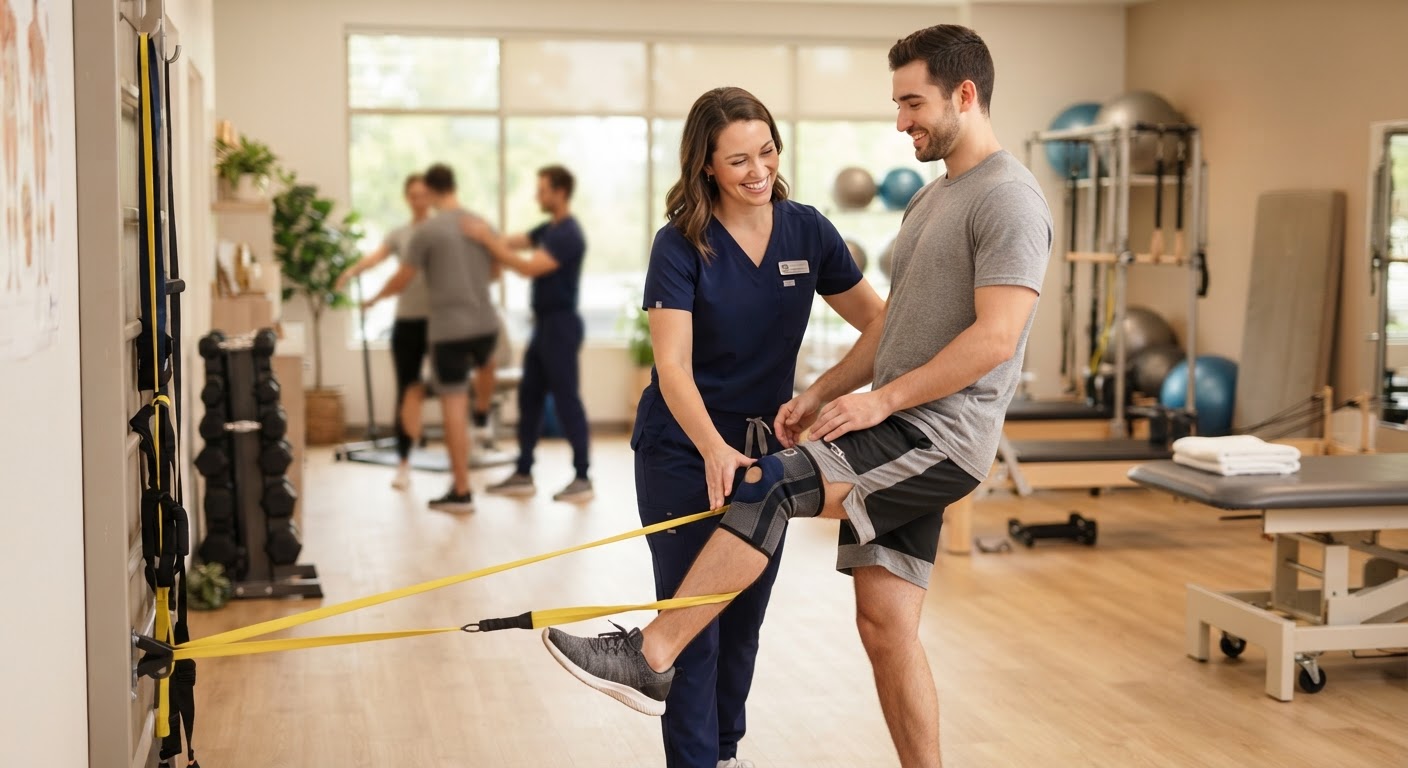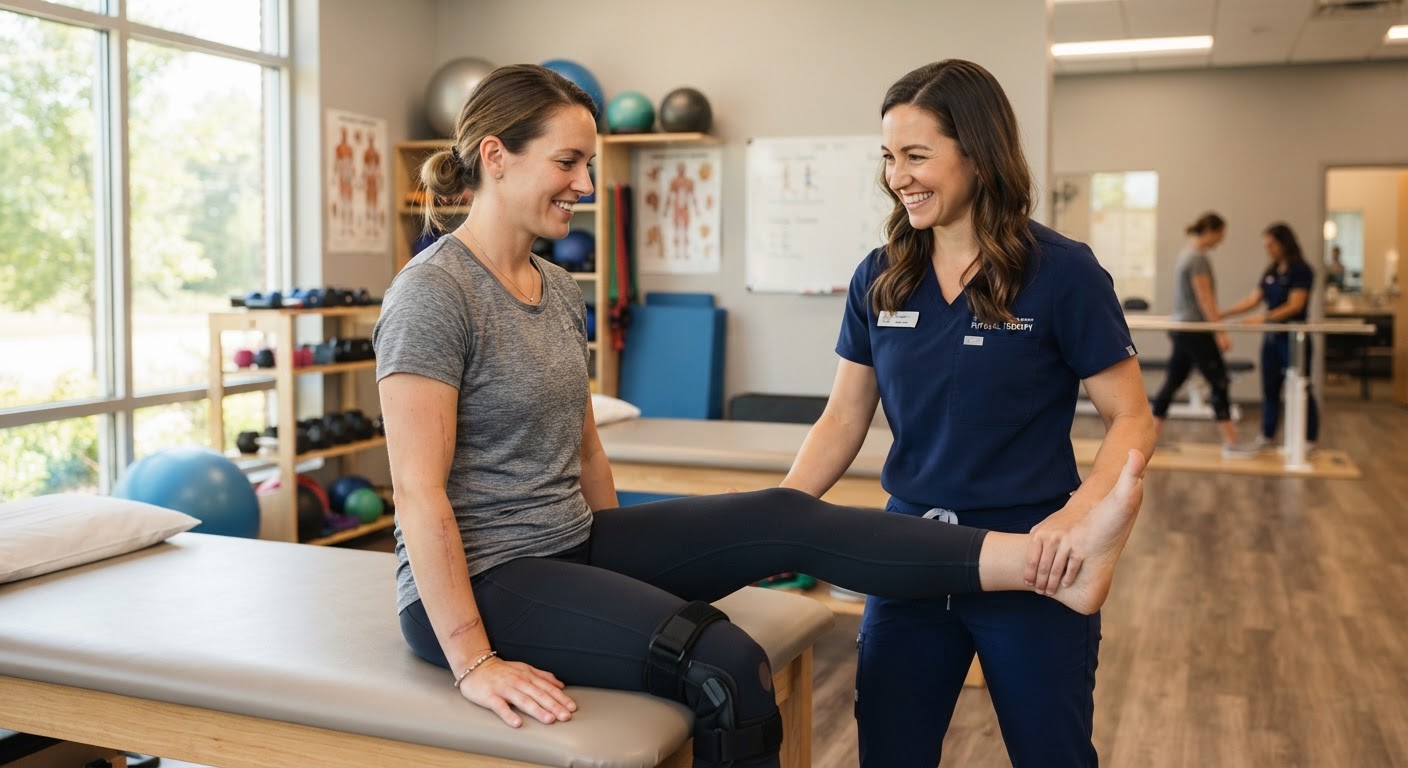
A car accident can affect your body even when you feel only mildly sore at first. Stiffness, pain, and limited movement may become more noticeable in the hours or days afterward. Physical therapy can help you address these concerns, rebuild strength, and work toward a safe return to your usual activities. At Physical Therapy NOW™, care is tailored to your symptoms, goals, and recovery needs.
Why Symptoms May Appear Later
After a collision, your body may tense up in response to the impact. Some discomfort may not be obvious right away, and symptoms can change as you resume normal movement. Neck or back pain, headaches, shoulder discomfort, muscle tightness, and reduced range of motion are among the issues people may experience after an accident.
It is important not to assume that pain will resolve on its own or to push through symptoms without guidance. A healthcare professional can help evaluate your concerns and determine what care is appropriate. If you have severe or worsening symptoms, or signs such as numbness, weakness, confusion, or difficulty breathing, seek prompt medical attention.
How Physical Therapy Supports Recovery
Physical therapy focuses on how your body moves and functions. A physical therapist can assess your mobility, strength, balance, and areas of discomfort, then develop a plan based on your needs. Treatment may change over time as your symptoms and abilities improve.
Depending on your evaluation, care may include guided exercises, movement training, hands-on techniques, and education about managing symptoms during everyday tasks. The goal is not simply to reduce discomfort in the moment. Rehabilitation can also help you improve mobility, build strength, and regain confidence in activities such as walking, working, or turning your head while driving.
Potential Benefits After an Accident
A personalized physical therapy program may support several parts of recovery:
Pain relief: Appropriate movement and therapist-guided strategies may help you manage discomfort and move more comfortably. Your therapist can also explain ways to adjust activities while you recover.
Improved mobility: Gentle, progressive exercises can help address stiffness and restore movement. The right pace matters; exercises should be selected for your condition and adjusted if symptoms change.
Strength and endurance: An accident may interrupt your regular activity. Gradually rebuilding strength and stamina can help you handle daily responsibilities with less difficulty.
Better movement habits: A therapist can help you practice posture, lifting, reaching, and other movements that matter in your routine. Learning how to move safely can make it easier to return to work and home activities.
A clear recovery plan: Regular check-ins give you an opportunity to discuss progress, ask questions, and adjust your plan with professional guidance. Understanding what to do between visits can make recovery feel more manageable.
What To Expect At Your First Visit
Your first appointment typically begins with a conversation about the accident, your symptoms, health history, and goals. Your therapist may assess movement, strength, and other relevant functions. Be ready to describe when your symptoms started, what makes them better or worse, and which activities are difficult.
Wear comfortable clothing that allows you to move. Bring any relevant medical or referral information, if available, and a list of questions. You can ask what your plan may involve, how to perform exercises safely, and when to contact the clinic if symptoms change. Your therapist can explain the next steps based on your evaluation.
Practical Tips Between Appointments
Follow the guidance provided by your healthcare team, and avoid starting intense exercises or stretches without checking whether they are appropriate for you. Keep track of symptoms and note which activities affect them. This information can help your therapist fine-tune your rehabilitation plan.
Break up long periods of sitting when it is comfortable to do so, and use gentle movement recommended by your provider. Avoid forcing a painful motion or returning to strenuous activity before you are ready. If an exercise causes a concerning increase in symptoms, stop and ask your therapist how to proceed.
Consistency is often more useful than trying to do too much at once. Follow your home program as directed, attend scheduled visits, and communicate openly about barriers such as work, sleep, or transportation. Recovery is individual, so your plan should reflect your progress rather than a one-size-fits-all timeline.
Choosing Local Care In North Miami Beach
If you are looking for post-accident rehabilitation close to home, Physical Therapy NOW™ offers physical therapy at its North Miami Beach location. A local care team can work with you to understand your goals and plan treatment around your daily needs. The North Miami Beach, FL location serves people seeking guidance for movement, function, and pain relief after an auto accident.
Start Your Recovery With A Plan
You do not have to figure out every step of recovery alone. Physical therapy can provide an evaluation, practical strategies, and a progressive plan to help you move toward your goals after a car accident. For individualized guidance, visit or call Physical Therapy NOW™ at the North Miami Beach location to ask about scheduling an appointment. If you are experiencing severe or urgent symptoms, seek immediate medical care.
Ready to start feeling better?
Physical Therapy NOW™ has 40+ Florida locations with same-week appointments. Most insurance, auto accident (PIP), workers' compensation and Medicare accepted.