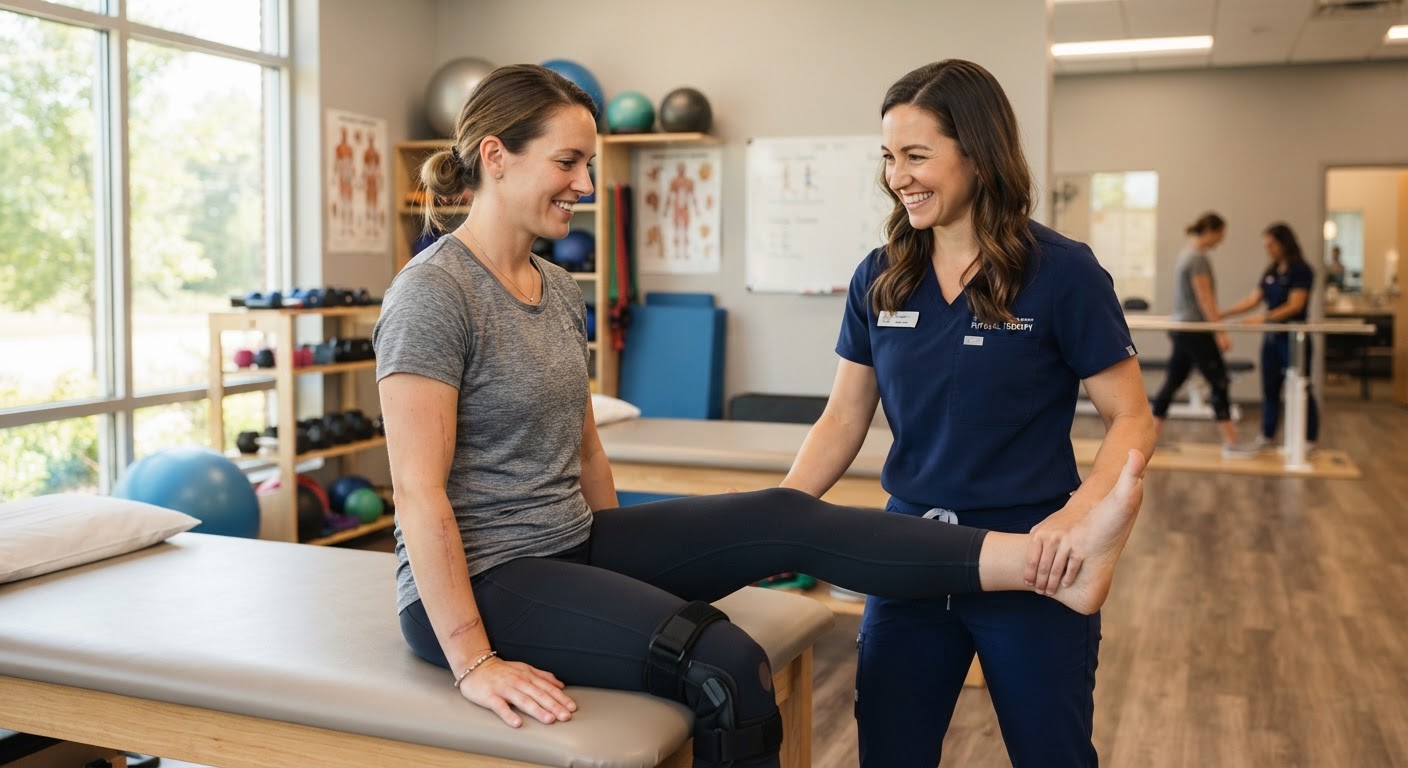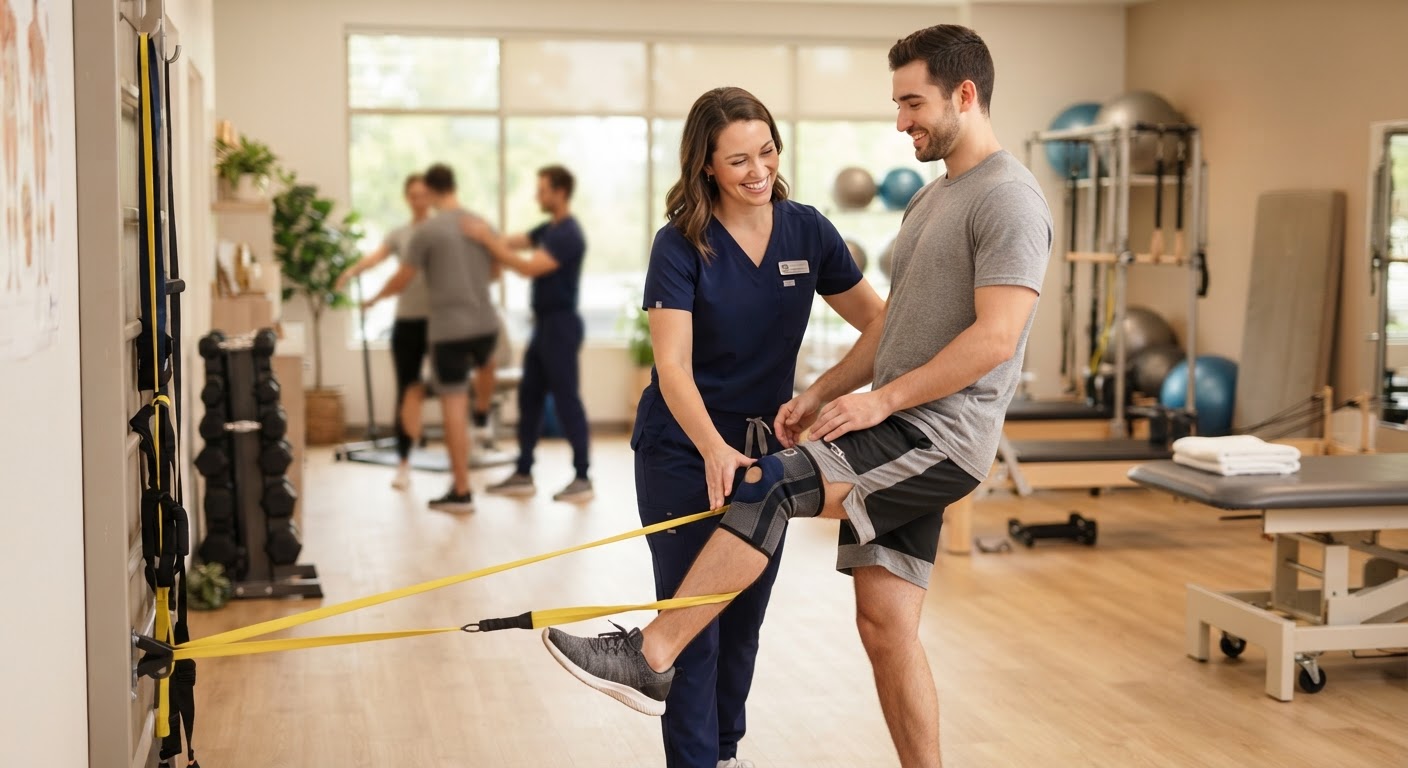
A car accident can leave you with pain, stiffness, or movement difficulties, even when you do not notice symptoms right away. Physical therapy can help you address these changes, rebuild function, and work toward a safe return to your usual activities. At Physical Therapy NOW™ in Miami, FL, the Country Walk location, care can be tailored to your symptoms, goals, and recovery needs.
Why Symptoms Can Appear Later
After a collision, your body may feel tense or sore as it responds to the sudden force. Some discomfort is noticeable immediately, while other symptoms become clearer over the next hours or days. Neck or back stiffness, headaches, shoulder discomfort, and difficulty moving comfortably are examples of concerns people may experience.
Do not assume that delayed pain is unimportant. If you have new or worsening symptoms after a crash, contact a healthcare professional for guidance. Seek urgent medical attention for warning signs such as severe pain, weakness, numbness, confusion, trouble breathing, or loss of consciousness. Physical therapy can be part of your recovery plan, but it does not replace medical evaluation when needed.
How Physical Therapy Supports Recovery
Physical therapy begins with an assessment of your symptoms, movement, strength, balance, and ability to manage daily tasks. Your therapist can use this information to develop a plan that fits your current abilities and progresses as you improve. Treatment may include guided exercises, mobility work, education, and strategies for pacing activities.
The aim is not simply to push through discomfort. A thoughtful rehabilitation plan helps you build capacity gradually while paying attention to how your body responds. Your therapist can adjust activities when symptoms change and explain which movements are appropriate for your stage of recovery.
Potential benefits may include:
Improved mobility: Gentle, appropriately selected movement can help address stiffness and make everyday motions more comfortable.
Strength and endurance: Progressive exercises can help rebuild the strength and stamina needed for work, household tasks, and recreation.
Better movement habits: Coaching can help you practice lifting, reaching, sitting, and other activities with more confidence and control.
A structured path forward: Clear goals and regular progress checks can make it easier to understand what to work on between appointments.
Support for Pain Relief and Daily Function
Pain relief is an important goal for many people after a crash, but recovery often involves more than reducing soreness. Pain can affect sleep, concentration, driving, work, and even simple tasks such as getting dressed. Physical therapy can help you explore ways to move within a tolerable range and gradually restore the activities that matter to you.
Your therapist may recommend a combination of approaches based on your evaluation. This can include therapeutic exercise, movement practice, posture or activity guidance, and other appropriate interventions. No single approach is right for everyone, and your plan should be adjusted to your symptoms and response to care.
If an exercise causes sharp, escalating, or unusual symptoms, stop and tell your therapist or medical provider. Keeping an open conversation about what feels better or worse helps your care team make informed adjustments.
Practical Tips Between Appointments
Follow your clinician’s instructions. Your recommendations may depend on the type of injury and your medical history. Avoid starting strenuous exercises or returning to demanding activities without appropriate guidance.
Keep a brief symptom log. Note what activities affect your discomfort, how long symptoms last, and what seems to help. This can give your therapist useful details when planning your care.
Use gradual pacing. Break larger chores into manageable steps, take planned rest breaks, and increase activity in a measured way rather than trying to do everything at once.
Make everyday movement comfortable. Arrange frequently used items within easy reach, change positions periodically, and follow any specific positioning advice from your care team.
Attend follow-up visits and ask questions. Understanding the purpose of each exercise can help you practice more confidently and recognize when your plan needs an update.
When to Consider Physical Therapy
Consider asking a healthcare professional whether physical therapy is appropriate if pain, stiffness, or reduced movement is interfering with your routine after an accident. An evaluation can help identify your current limitations and determine whether rehabilitation is suitable as part of your care. Your therapist can also coordinate recommendations with other members of your healthcare team when appropriate.
Starting care does not mean you need to have every answer about your recovery. Share what happened, describe your symptoms, and explain the activities you hope to resume. These details help your therapist set practical goals with you, whether that means walking more comfortably, returning to work, or managing daily responsibilities with less difficulty.
Local Support for Your Recovery
Recovery after a car accident can feel uncertain, especially when symptoms affect your normal routine. A personalized physical therapy program can provide guidance, progressive exercise, and practical support as you work toward improved mobility and function. Physical Therapy NOW™ serves the Country Walk community in Miami, FL, with care focused on your individual needs and goals.
If you are dealing with pain or movement changes after a collision, take the next step toward informed care. Visit or call the Physical Therapy NOW™ Country Walk location to ask about an evaluation and discuss how physical therapy may support your rehabilitation and pain relief.
Ready to start feeling better?
Physical Therapy NOW™ has 40+ Florida locations with same-week appointments. Most insurance, auto accident (PIP), workers' compensation and Medicare accepted.