
Understanding this injury
Spondylolisthesis is a common spinal condition where one of your vertebrae—the small bones that make up your spine—slips out of its proper place and slides forward over the bone beneath it. This shift typically occurs in the lower back, known as the lumbar spine. When a vertebra slips, it can put unwanted pressure on the surrounding nerves or the spinal cord itself, leading to discomfort that may range from a dull ache to sharp, shooting pain down the legs.
While the idea of a bone 'slipping' sounds scary, it is a condition that many people manage successfully without surgery. At Physical Therapy Now, we focus on stabilizing the area to prevent further movement. Understanding that your spine needs extra support from your muscles is the first step toward reclaiming your mobility and living a life free from constant back stiffness and irritation.
Common symptoms
- Lower back pain worsened by extension
- Hamstring tightness
- Pain radiating into the legs
- Stiffness and reduced spinal mobility
What causes it
- Repetitive hyperextension of the spine during sports like gymnastics or football
- Degenerative changes in the spinal discs and joints due to natural aging
- A stress fracture in the vertebral arch (spondylolysis) that weakens the bone
- Congenital defects where the spine does not form correctly from birth
- Sudden trauma or high-impact injuries to the lower back
- Weakness in the structural integrity of the spinal column over time
Who's most at risk
- Adolescent athletes involved in sports that require frequent backward bending
- Adults over the age of 50 experiencing natural wear and tear of the spine
- Individuals with a family history of spinal bone density issues
- People born with thin or brittle vertebral structures
- Weightlifters or laborers who perform heavy lifting with improper form
- Individuals with chronic low back instability or weak core musculature
How we treat it
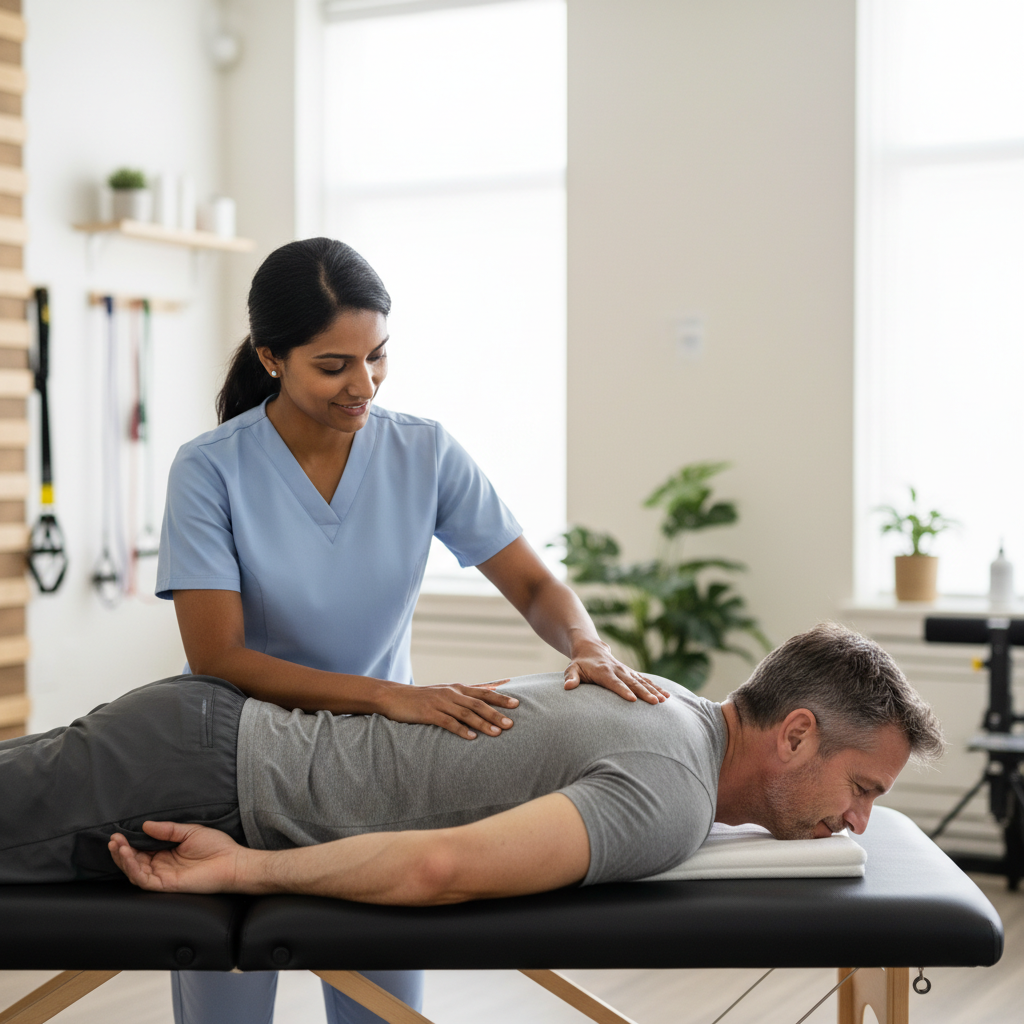
Physical therapy is the gold standard for treating spondylolisthesis non-invasively. When you visit Physical Therapy Now, you will work 1-on-1 with a licensed physical therapist who will design a recovery plan specifically for your grade of slip. The primary goal is 'dynamic stabilization.' This involves strengthening the deep core muscles, such as the transverse abdominis and multifidus, which act as a natural corset to hold your spine in place. We also focus on stretching tight hamstrings and hip flexors, as these muscles often pull on the pelvis and worsen the spinal shift.
Our therapists utilize manual therapy techniques to improve joint mobility in the areas above and below the slip, ensuring your entire back shares the load of movement. We may also use modalities like electrical stimulation or heat therapy to manage acute pain and muscle spasms. As you progress, we transition from simple floor exercises to functional movements that mimic your daily activities, ensuring you can lift, bend, and reach without aggravating your back. This guided approach ensures you aren't doing exercises that could potentially increase the slip.
By focusing on posture and body mechanics, we help you unload the pressure on your discs and nerves. If your pain persists, isn't improving in 2-3 weeks, or is getting worse, call us at Physical Therapy Now or schedule an appointment online today to get a professional evaluation.
Recovery timeline
Recovery from spondylolisthesis generally takes 6 to 12 weeks of consistent physical therapy. The initial phase focuses on pain reduction and core activation. By weeks 4 through 8, most patients experience a significant decrease in nerve symptoms and an increase in daily activity tolerance. Long-term success depends on maintaining the strength of your 'internal brace' through ongoing exercise, as the bone itself usually remains in its shifted position while the surrounding tissues become stronger and more supportive.
What you can do at home today
- Practice 'pelvic tilts' to find a neutral, comfortable spine position
- Avoid activities that require deep backward bending or arching of the back
- Apply ice packs to the lower back for 15 minutes to reduce inflammation
- Sleep on your side with a pillow between your knees to take pressure off the spine
- Wear supportive, cushioned shoes to reduce impact while walking
- Focus on gentle hamstring stretches to reduce the pull on your pelvis
- Use proper 'log rolling' techniques when getting in and out of bed
- Take frequent breaks from sitting to prevent muscle tightness
These tips support recovery but don't replace a professional evaluation. If you're unsure or symptoms worsen, please reach out.
When to call us right away
While physical therapy helps most cases, you should seek immediate medical attention if you experience sudden loss of bowel or bladder control, severe numbness in the 'saddle area,' or sudden weakness in your legs that makes it difficult to stand. These can be signs of nerve compression that require an urgent evaluation by a specialist.