
Understanding this injury
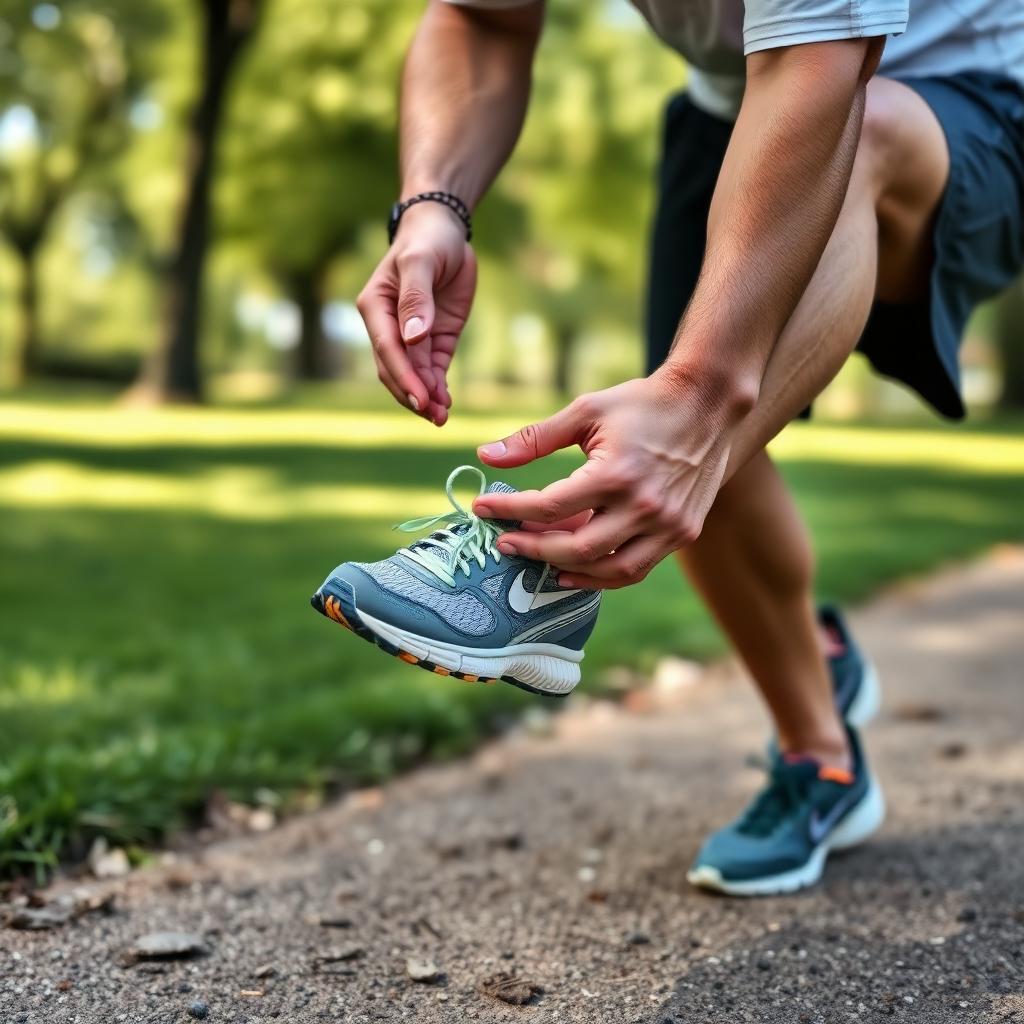
Metatarsalgia is pain and inflammation in the ball of the foot — the padded area just behind your toes. It typically feels like a bruise, a hot spot, or a sense that there's a pebble in your shoe that you can't shake out. The pain gets worse with standing, walking, running, or going barefoot on hard surfaces, and better when you sit down or get the weight off your foot.
It's especially common in runners, dancers, women who wear high heels, and people with high arches or stiff big toes. The underlying problem is almost always too much pressure on the metatarsal heads (the bones at the ball of the foot) — and the great news is that PT, with the right footwear and offloading strategies, resolves it for the vast majority of patients without injections or surgery.
Common symptoms
- Sharp or burning pain in the ball of the foot
- Pain worsened by standing or walking
- Feeling of a pebble in the shoe
- Numbness or tingling in the toes
What causes it
- High-impact activities (running, jumping, dance)
- Ill-fitting shoes — especially high heels or narrow toe boxes
- High arches or flat feet that change foot loading
- Stiff big toe (hallux limitus) shifting pressure to the other metatarsals
- Excess body weight increasing forefoot load
Who's most at risk
- Runners and dancers
- Women who wear high heels regularly
- Adults age 40+
- People with foot deformities (bunions, hammertoes, high arches)
- Those with diabetes or peripheral neuropathy
How we treat it
Your PT will assess your foot mechanics, big-toe mobility, calf flexibility, and the way you walk and run. Treatment starts with offloading the painful area: metatarsal pads or custom orthotics, footwear changes (wider toe box, lower heel, more cushion), and short-term activity modification. We use manual therapy to mobilize stiff joints in the foot — particularly the big toe — and soft-tissue work to release tight calves and plantar fascia.
As pain settles, we build foot intrinsic strength (the small muscles that support the arch), calf and lower-leg strength, and balance. We then progressively reintroduce your sport or running with proper loading, footwear, and form cues so it doesn't come back. For runners, we may also analyze your gait and tweak cadence or footstrike if needed.
If your symptoms aren't improving in 2-3 weeks, are getting worse, or starting to limit daily activities, call us or schedule an appointment online today — early intervention almost always means a faster, fuller recovery.
Recovery timeline
Most patients feel significant relief in 3-6 weeks with footwear changes, pads, and PT. Full return to running, dance, or high-impact activity typically takes 6-10 weeks.
What you can do at home today
- Add a metatarsal pad to your shoes (placed just behind, not under, the painful bones)
- Switch to shoes with a wide toe box, low heel, and plenty of forefoot cushion
- Ice the ball of the foot 10 minutes after long walks or runs
- Stretch your calves twice daily — tight calves push pressure into the forefoot
- Limit barefoot walking on hard floors during the flare
These tips support recovery but don't replace a professional evaluation. If you're unsure or symptoms worsen, please reach out.
When to call us right away
If you have severe night pain, sharp electric pain shooting into the toes (could be Morton's neuroma), visible swelling, redness, warmth, or a sudden inability to bear weight, get evaluated promptly.