
Understanding this injury
Achilles tendinitis is a common injury that causes pain along the back of the leg near the heel. It happens when the Achilles tendon, the thick band of tissue connecting your calf muscles to your heel bone, becomes irritated or inflamed. This tendon is the strongest in your body and is essential for walking, running, and jumping, which is why even minor irritation can feel very limiting.
Most patients notice a dull ache or stiffness in the morning that improves as they move around. However, the pain often returns or worsens after intense activity or long periods of standing. If left untreated, the inflammation can lead to tiny tears in the tendon, making it harder to stay active and increasing the risk of a more serious injury. Physical therapy is a highly effective way to heal the tendon and get you back on your feet.
Common symptoms
- Pain above the heel, especially after activity
- Stiffness in the morning
- Swelling that worsens throughout the day
- Limited ankle flexibility
What causes it
- Repetitive stress or overuse from running or jumping sports
- Suddenly increasing the intensity or duration of your exercise routine
- Tight calf muscles that put extra strain on the tendon
- Running on uneven surfaces or uphill frequently
- Wearing worn-out shoes that do not provide enough heel support
- A bone spur on the back of the heel rubbing against the tendon
Who's most at risk
- Men are statistically more likely to develop Achilles issues
- Older adults, as the tendon naturally weakens with age
- People with flat feet or fallen arches
- Athletes who play basketball, tennis, or soccer
- Individuals with medical conditions like high blood pressure or psoriasis
- Starting a new sport without proper conditioning or warm-ups
How we treat it
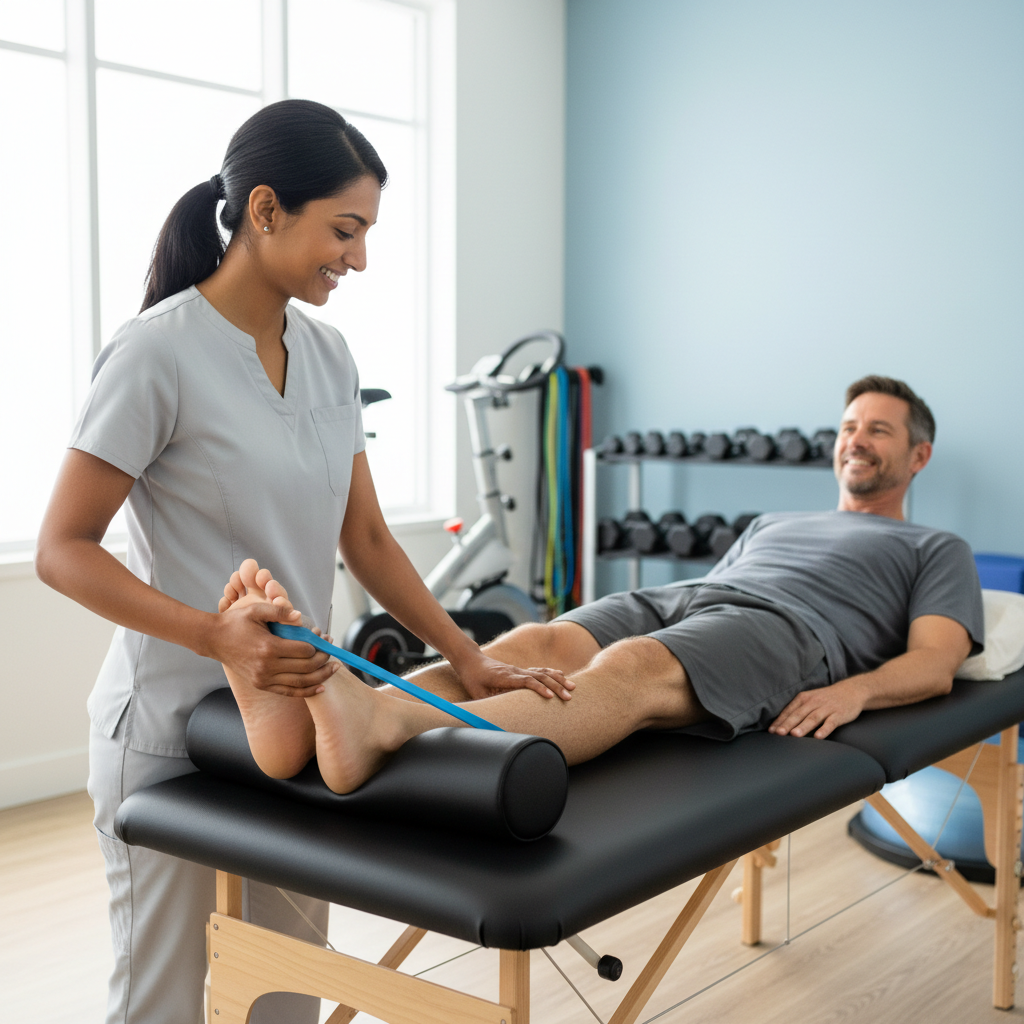
Physical therapy is the gold standard for treating Achilles tendinitis without surgery. When you visit Physical Therapy Now, you will work 1-on-1 with a licensed physical therapist who will create a customized plan just for you. Early treatment focuses on reducing inflammation and easing pain. Your PT may use manual therapy techniques, such as soft tissue mobilization and joint manipulation, to improve the flexibility of your ankle and calf. We also use specialized modalities like ultrasound or electrical stimulation to promote blood flow and speed up the healing process of the tendon tissue.
As you progress, the focus shifts to strengthening. Your therapist will guide you through 'eccentric' exercises, which involve slowly lengthening the calf muscle under resistance. This specific type of training is scientifically proven to remodel and strengthen the Achilles tendon. We also work on balance and gait training to ensure you aren't putting uneven pressure on your foot when you walk. Your PT will help you choose the right footwear and may recommend temporary heel lifts to take the tension off the injury while it heals.
Our goal is to prepare your body for the demands of your daily life or favorite sport so the injury doesn't return. By targeting the root cause, such as weak hips or tight muscles elsewhere in the chain, we ensure long-term relief. If your pain persists, isn't improving in 2-3 weeks, or is getting worse, call us today or schedule an appointment online.
Recovery timeline
Recovery from Achilles tendinitis is a gradual process that depends on the severity of the irritation. For mild cases, patients often feel significant relief within 4 to 6 weeks of dedicated physical therapy. More chronic cases may take 3 to 6 months to reach full strength. Healing a tendon takes longer than a muscle because tendons have less blood flow. Consistency with your PT sessions and home exercises is the fastest way to return to your normal routine.
What you can do at home today
- Rest the area by avoiding activities that cause pain, like running or jumping
- Apply ice to the back of the heel for 15 minutes after activity to reduce swelling
- Gently stretch your calves while keeping your knee straight
- Wear supportive sneakers even when walking around the house
- Avoid walking barefoot on hard floors until the pain subsides
- Try low-impact exercises like swimming or cycling to maintain fitness
- Perform light ankle pumps throughout the day to keep blood flowing
- Use a foam roller on your calf muscles to release tension
These tips support recovery but don't replace a professional evaluation. If you're unsure or symptoms worsen, please reach out.
When to call us right away
While most cases resolve with therapy, you should seek help immediately if you feel a sudden 'pop' in the back of your heel or have severe pain that prevents you from walking. These could be signs of a tendon rupture. If you notice significant swelling, redness, or heat around the heel, please contact us or a healthcare provider right away.