
Understanding this injury
Lymphedema is chronic swelling that happens when the lymphatic system — the network of vessels and nodes that drains fluid from your tissues — can't keep up. The result is persistent puffiness, heaviness, tightness, and a feeling of fullness, most often in an arm or leg. Over time, untreated lymphedema can cause skin changes, recurrent infections, and significant limitations in mobility and daily life.
The most common cause in the U.S. is cancer treatment — particularly after lymph node removal or radiation for breast, gynecologic, prostate, or head and neck cancers. It can also develop from chronic venous insufficiency, infections, trauma, or be present from birth (primary lymphedema). The great news: a specialty area of PT called Complete Decongestive Therapy (CDT) is the gold standard treatment, and it works — often dramatically.
Common symptoms
- Persistent swelling in an arm or leg
- Feeling of heaviness or tightness
- Reduced range of motion
- Recurring infections in the affected limb
What causes it
- Cancer treatment (lymph node removal or radiation)
- Chronic venous insufficiency
- Recurrent skin infections (cellulitis)
- Trauma or surgery affecting lymph vessels
- Primary lymphedema (congenital, often appears later in life)
Who's most at risk
- Breast cancer survivors after axillary node dissection or radiation
- Gynecologic, prostate, and melanoma cancer survivors
- People with chronic venous insufficiency
- Anyone with recurring cellulitis episodes
- Patients with significant obesity affecting limb circulation
How we treat it
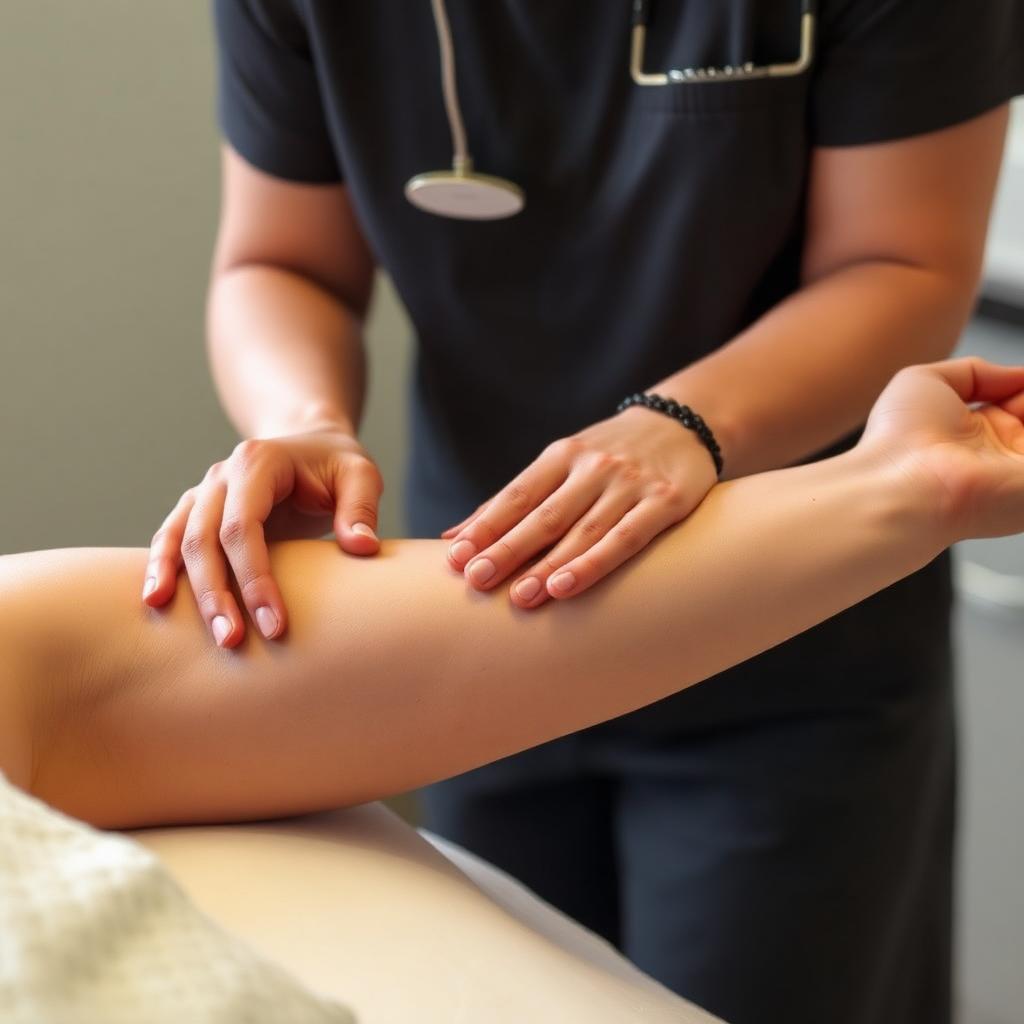
Your PT will be a certified lymphedema therapist (CLT) trained in Complete Decongestive Therapy — the international standard of care. CDT has four parts that work together: manual lymphatic drainage (a specific, very gentle massage technique that reroutes fluid through working lymph pathways), compression bandaging (multilayer short-stretch bandages that reshape the limb over weeks), targeted exercises with compression in place (which pump fluid out), and meticulous skin care (to prevent the infections lymphedema patients are prone to).
This intensive phase typically runs daily or near-daily for 2-4 weeks until your limb decongests. Then we transition you to the maintenance phase: custom compression garments, a home exercise and self-massage program, and ongoing self-care strategies. We coordinate with your oncology and medical team throughout and equip you with the knowledge to manage this condition for life. The right care can shrink limbs dramatically, eliminate the heavy/full feeling, prevent infections, and give you back full use of the affected area.
If your symptoms aren't improving in 2-3 weeks, are getting worse, or starting to limit daily activities, call us or schedule an appointment online today — early intervention almost always means a faster, fuller recovery.
Recovery timeline
The intensive decongestive phase typically takes 2-4 weeks, with dramatic size and symptom reduction. Maintenance is lifelong but, once established, takes only minutes a day of self-care to keep results.
What you can do at home today
- Wear your compression garment exactly as prescribed — every day
- Protect your skin (no cuts, sunburns, bug bites, blood draws on the affected limb)
- Elevate the affected limb whenever possible
- Stay active — movement is essential for lymphatic flow
- Treat any redness, warmth, or skin break promptly (lymphedema patients get cellulitis fast)
These tips support recovery but don't replace a professional evaluation. If you're unsure or symptoms worsen, please reach out.
When to call us right away
If you develop redness, warmth, fever, increased swelling, or red streaking, go to urgent care or the ER — these are signs of cellulitis, which needs prompt antibiotic treatment in lymphedema patients.