
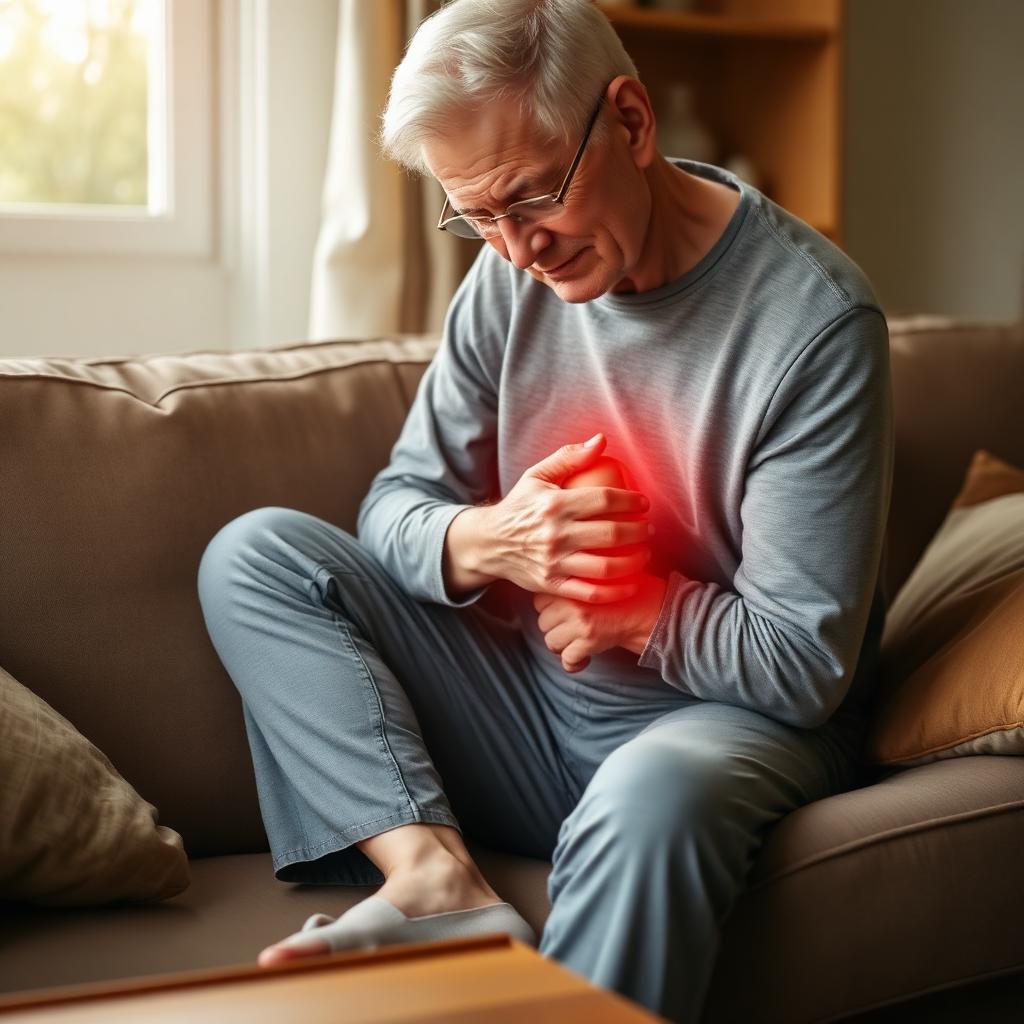
Understanding this injury
Osteoarthritis (OA) is the most common form of arthritis and the reason millions of people deal with stiff, achy joints — most often in the knees, hips, hands, neck, and lower back. It happens when the smooth cartilage that cushions the ends of your bones gradually wears down, leaving the bones to rub together. The result is stiffness (especially in the morning or after sitting), pain that gets worse with activity, and a feeling of grinding or catching in the joint.
Here's what most people don't hear from their doctor: osteoarthritis is not just 'wear and tear' you have to live with, and rest is not the answer. Decades of research show that the right kind of movement and strength work can dramatically reduce pain, improve function, and even delay or avoid joint replacement surgery. Physical therapy is now the gold standard first-line treatment.
Common symptoms
- Joint pain that worsens with activity
- Morning stiffness lasting less than 30 minutes
- Joint swelling and tenderness
- Decreased range of motion
What causes it
- Age-related changes in cartilage
- Previous joint injury (old ACL tear, fracture, dislocation)
- Repetitive joint stress from work or sport
- Genetics — OA often runs in families
- Excess body weight (especially for knees and hips)
Who's most at risk
- Adults age 50+
- Women (especially after menopause)
- Former athletes or workers with repetitive joint stress
- People with previous joint injuries
- Anyone who has been told 'just rest it' for months
How we treat it
At Physical Therapy Now you'll get a thorough one-on-one assessment looking at the affected joint and everything around it — because OA pain is almost never just about the joint itself. Weak hips drive knee OA. Tight hip flexors drive back OA. We find the chain that's overloading the joint and fix it. Early sessions blend manual therapy (joint mobilizations, soft-tissue work) with carefully dosed movement to reduce pain without flaring up the joint.
From there, the heart of OA care is targeted strength training. We progressively load the muscles that protect the joint — quads and glutes for knee OA, glutes and core for hip and back OA, scapular muscles for neck and shoulder OA — so the muscles do more work and the joint does less. We add cardio modalities your joints can tolerate (bike, pool, brisk walking) and educate you on pacing, footwear, weight management, and home strategies. The goal isn't to 'cure' the cartilage — it's to make your joint stronger, more mobile, and less painful so you can live the life you want.
If your symptoms aren't improving in 2-3 weeks, are getting worse, or starting to limit daily activities, call us or schedule an appointment online today — early intervention almost always means a faster, fuller recovery.
Recovery timeline
Most patients feel meaningful pain reduction in 4-6 weeks of consistent PT. Strength and function continue to improve for 3-6 months. Long-term maintenance through a simple home program keeps results lasting.
What you can do at home today
- Move daily — short, frequent walks beat long, occasional ones
- Try a stationary bike or pool walking on bad-knee days
- Apply heat before activity, ice after
- Strengthen the muscles around the joint at least 3x per week
- Lose even 5-10 lbs if relevant — every pound of body weight is 4 lbs of force across the knee
These tips support recovery but don't replace a professional evaluation. If you're unsure or symptoms worsen, please reach out.
When to call us right away
If your joint suddenly locks, gives way, or becomes hot, red, and severely swollen — or if pain wakes you at night and isn't relieved by position changes — get evaluated promptly to rule out other issues.