
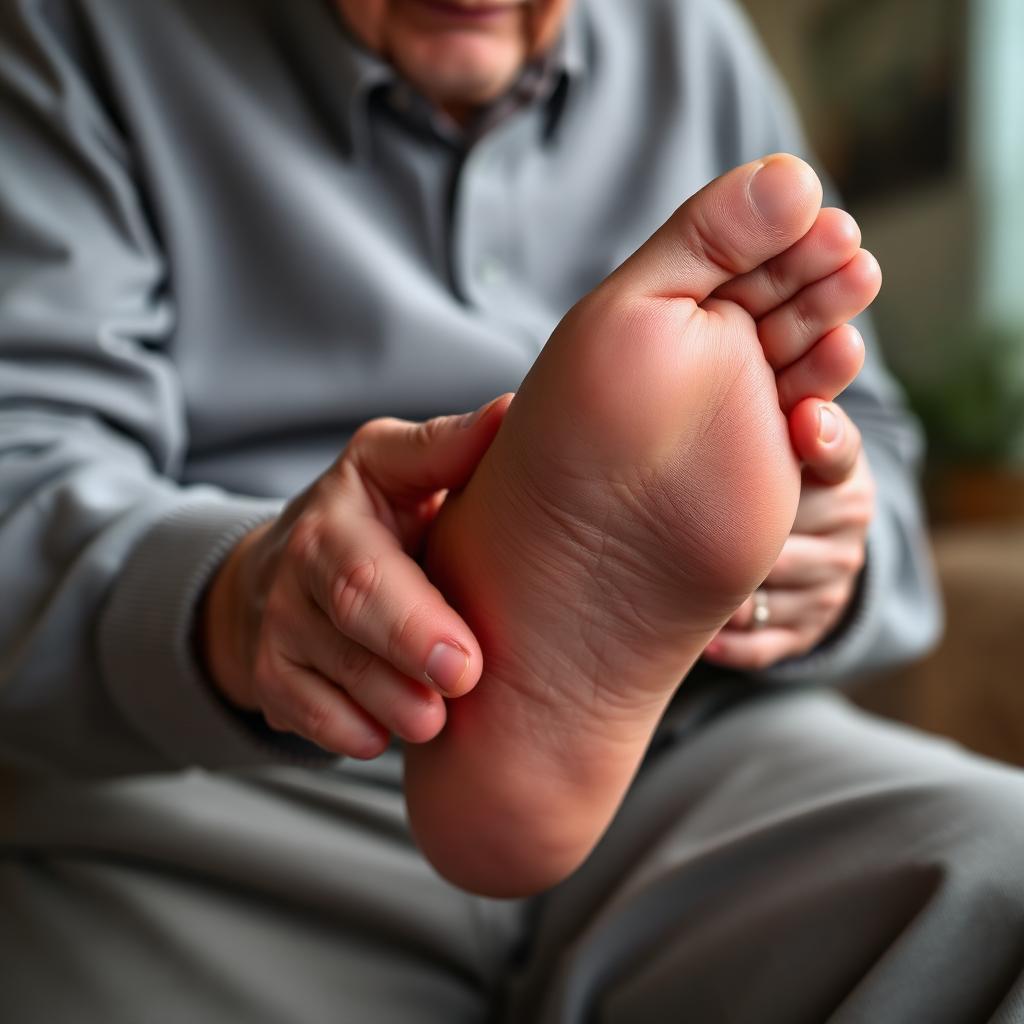
Understanding this injury
Peripheral Neuropathy is what happens when the small nerves in your feet, legs, or hands stop sending and receiving signals properly. Most often it starts in the feet — a stocking-pattern numbness, burning, tingling, or sharp electric pain that can make walking, standing, and even sleeping miserable. Over time it can affect balance, increase the risk of falls, and make it hard to feel where your feet are on the floor.
The most common cause is diabetes, but neuropathy can also come from chemotherapy, vitamin deficiencies, autoimmune conditions, or simply unknown causes. While PT can't always reverse the underlying nerve damage, it can absolutely improve circulation, strength, balance, and confidence — and dramatically lower your risk of falls, ulcers, and lost independence.
Common symptoms
- Numbness and tingling in hands or feet
- Burning or stabbing pain
- Muscle weakness
- Loss of balance and coordination
What causes it
- Diabetes (by far the most common cause)
- Chemotherapy-induced nerve damage
- Vitamin B12 deficiency
- Heavy alcohol use
- Autoimmune conditions, kidney disease, or thyroid disorders
Who's most at risk
- Anyone with diabetes — especially poorly controlled
- Cancer patients post-chemotherapy
- Adults 60+
- People with vitamin deficiencies or heavy alcohol use
- Patients with autoimmune or thyroid conditions
How we treat it
Your PT will start with a thorough evaluation of sensation, strength, balance, gait, and fall risk. Treatment is built on three pillars: improving circulation to nourish the nerves, strengthening the muscles that support and protect numb feet, and retraining balance to compensate for sensation that may never fully return.
We use targeted aerobic exercise (which research shows can actually slow neuropathy progression in diabetes), lower-body strengthening, ankle and foot mobility work, and progressive balance training on stable and unstable surfaces. We add modalities like electrical stimulation and massage when helpful for symptoms. Just as important, we teach foot-care habits, footwear choices, and home safety changes that protect you from falls and prevent the small foot wounds that can become serious in neuropathy patients.
If your symptoms aren't improving in 2-3 weeks, are getting worse, or starting to limit daily activities, call us or schedule an appointment online today — early intervention almost always means a faster, fuller recovery.
Recovery timeline
Pain and burning symptoms often improve in 6-8 weeks with consistent exercise. Balance and strength gains continue for 3-6 months. Long-term, a maintenance program keeps you stable, walking, and independent.
What you can do at home today
- Walk daily — even short, frequent walks improve nerve health
- Check your feet every night for blisters, cuts, or red areas you didn't feel
- Wear well-fitting, cushioned shoes with no internal seams
- Keep blood sugar tightly controlled if you're diabetic — this is huge
- Practice single-leg balance (holding a counter) 1 minute per side, daily
These tips support recovery but don't replace a professional evaluation. If you're unsure or symptoms worsen, please reach out.
When to call us right away
If you develop a foot wound, sudden weakness, severe new pain, or your numbness suddenly spreads or worsens, contact your doctor and PT promptly. Unfelt wounds in neuropathy can quickly become serious.