
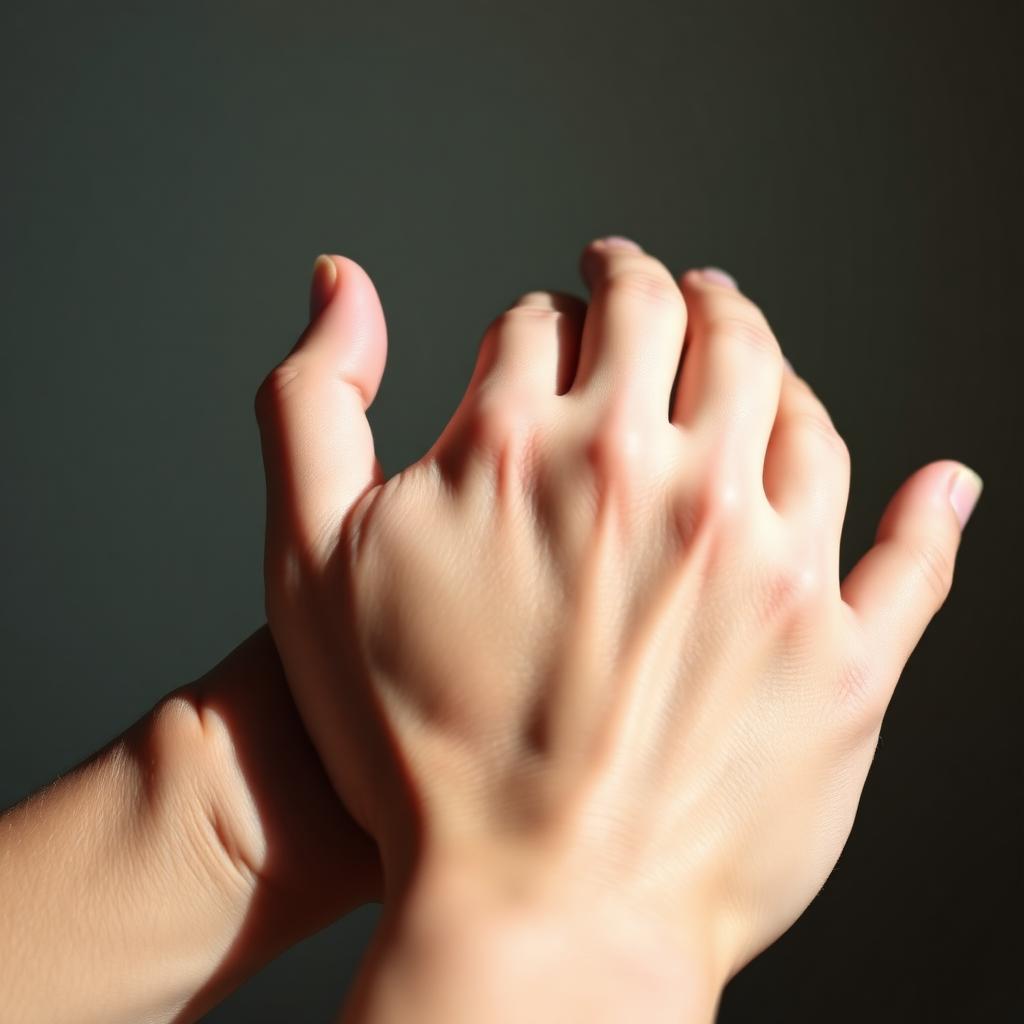
Understanding this injury
Complex Regional Pain Syndrome (CRPS) is a chronic pain condition that most often develops after an injury, surgery, fracture, or even a minor trauma to a limb. What makes it so distinct — and so distressing — is that the pain is wildly out of proportion to the original injury, and it comes with a constellation of other symptoms: skin color and temperature changes, swelling, sweating changes, hair and nail changes, stiffness, and extreme sensitivity to touch (where even bedsheets feel unbearable).
CRPS is essentially the nervous system getting stuck in an overactive, hypersensitive state. Caught early and treated aggressively, it's often fully reversible. The longer it goes untreated, the harder it is to resolve. Early, intensive physical therapy — combined with pain education and coordinated medical care — is the single most important intervention in CRPS, and it can completely change the trajectory of this condition.
Common symptoms
- Intense burning or throbbing pain
- Skin color and temperature changes
- Swelling and sensitivity to touch
- Decreased range of motion in affected limb
What causes it
- Wrist or ankle fractures (the most common triggers)
- Surgical procedures, especially on hands or feet
- Sprains, crush injuries, or burns
- Heart attacks or strokes (less commonly)
- Sometimes no clear inciting event
Who's most at risk
- Anyone with limb pain that persists or worsens after an injury or surgery
- Women (more common than men)
- Adults age 40-60
- Patients immobilized for long periods after injury
- People with a history of anxiety or chronic pain
How we treat it
Your PT will work very closely with your physician and possibly a pain management team — CRPS care has to be coordinated. The PT side focuses on getting the affected limb moving and used again, gradually and respectfully, in ways the nervous system can tolerate. We use desensitization (progressively exposing the skin to different textures and sensations), mirror therapy and graded motor imagery (powerful tools backed by strong research for CRPS), gentle active range of motion, edema management, and very gradual loading and functional use of the limb.
We avoid aggressive stretching or forced motion — those make CRPS worse. We educate you deeply about pain neuroscience, because understanding what's actually happening in your nervous system reduces fear and is itself part of the treatment. As tolerance grows we add strengthening, weight-bearing, and functional retraining. With early, expert care, most patients see meaningful improvement; many fully recover. With late care, we still help — it just takes longer.
If your symptoms aren't improving in 2-3 weeks, are getting worse, or starting to limit daily activities, call us or schedule an appointment online today — early intervention almost always means a faster, fuller recovery.
Recovery timeline
Early-treated CRPS (within 3 months of onset) often improves substantially in 8-16 weeks. Chronic CRPS is a longer road but still responds — meaningful improvement is possible at any stage with the right plan.
What you can do at home today
- Move the affected limb every single day, even if it's just imagined movement at first
- Practice desensitization — gently brush the skin with different textures for 2-3 minutes, 3-4 times daily
- Try mirror therapy as taught by your PT — it sounds odd but the research is strong
- Don't let the limb stay still — disuse makes CRPS worse fast
- Pace yourself — short, frequent activity beats long, occasional efforts
These tips support recovery but don't replace a professional evaluation. If you're unsure or symptoms worsen, please reach out.
When to call us right away
If you have a recent injury or surgery and notice pain that's getting worse instead of better, intense burning or electric pain, skin color or temperature changes, severe swelling, or extreme sensitivity to light touch, contact us and your physician immediately. Early treatment is the single biggest predictor of full recovery.