A car accident can leave you shaken, sore, and unsure of what to do next. Even when the damage looks minor, your health deserves attention. Some injuries cause immediate symptoms, while others become noticeable over the following hours or days.
If you have been in a collision in Hallandale, Florida, start with safety, seek appropriate medical care, and follow a recovery plan tailored to your needs. At Physical Therapy NOW™, we help patients understand how rehabilitation may fit into that plan after urgent concerns have been addressed.
Put Safety First
Check yourself and others for injuries. Call 911 if anyone may be seriously injured, there is a fire or traffic hazard, or emergency assistance is needed. Follow the dispatcher’s instructions. If the vehicle can be moved safely, get out of active traffic and turn on your hazard lights.
Avoid moving someone with a possible head, neck, or spinal injury unless there is an immediate danger, such as fire. If you are dizzy, confused, or having significant pain, do not drive yourself for medical care. Ask for emergency help or arrange safe transportation as appropriate.
Recognize Symptoms That Need Emergency Care
Some symptoms should not wait for a routine appointment. Seek emergency evaluation for loss of consciousness, worsening confusion, a severe or worsening headache, repeated vomiting, seizures, trouble breathing, chest pain, or significant abdominal pain.
New weakness or numbness, difficulty walking, loss of bladder or bowel control, or severe neck or back pain also require urgent attention. These symptoms can signal injuries that need prompt diagnosis and treatment.
A head injury can occur without an obvious wound. If you hit your head or experienced a forceful jolt, tell the evaluating clinician. Mention any blood thinners you take, because they can increase bleeding risk after trauma.
Get Evaluated Even If Symptoms Seem Mild
Stress and adrenaline can make it difficult to judge how you feel immediately after a crash. Neck stiffness, back discomfort, headaches, or dizziness may develop later. Arrange a timely medical evaluation if you have symptoms or concerns, rather than assuming they will disappear.
A clinician can review the accident, examine you, and determine whether testing, monitoring, or a referral is appropriate. Imaging is not necessary for every patient; that decision depends on your symptoms, examination, and risk factors.
Be specific about what has changed. Describe where you hurt, when symptoms began, and whether turning your head, sitting, walking, or sleeping has become difficult. Also share any previous injuries or medical conditions.
Document the Accident and Your Care
Once everyone is safe, exchange contact and insurance information and follow applicable crash reporting requirements. If it is safe to do so, photograph the vehicles and scene. Keep any report number and relevant insurance correspondence together.
For your healthcare visits, maintain a brief symptom log. Record changes in pain, dizziness, sleep, and everyday activities. Bring medication details, discharge instructions, and available medical records to appointments.
Florida auto insurance coverage can involve time sensitive requirements. Contact your insurer promptly to ask about deadlines, eligible providers, referrals, and documentation. Coverage decisions are separate from clinical recommendations, and a clinic cannot guarantee payment. Do not delay needed care while trying to resolve insurance questions.
Understand How Physical Therapy May Help
After serious injuries have been ruled out or appropriately managed, physical therapy may be recommended for problems such as neck pain, back pain, muscle strains, reduced mobility, or difficulty returning to daily activities.
Treatment aims to improve movement and function while helping you manage symptoms. It does not replace emergency care or medical evaluation for a suspected fracture, concussion, internal injury, or other serious condition.
At Physical Therapy NOW™, a physical therapist can assess your movement, strength, balance, and activity limitations. Your plan should reflect your examination findings, medical guidance, and personal goals rather than a standard routine for every accident patient.
Know What to Expect at Your First Visit
Your first physical therapy appointment typically includes a discussion of the collision, your symptoms, your medical history, and any care you have already received. You may be asked which activities are hardest, such as checking traffic while driving, lifting groceries, or completing a work shift.
The therapist will perform an examination appropriate to your condition. If symptoms suggest a problem that requires additional medical assessment, the therapist may recommend referral before treatment proceeds.
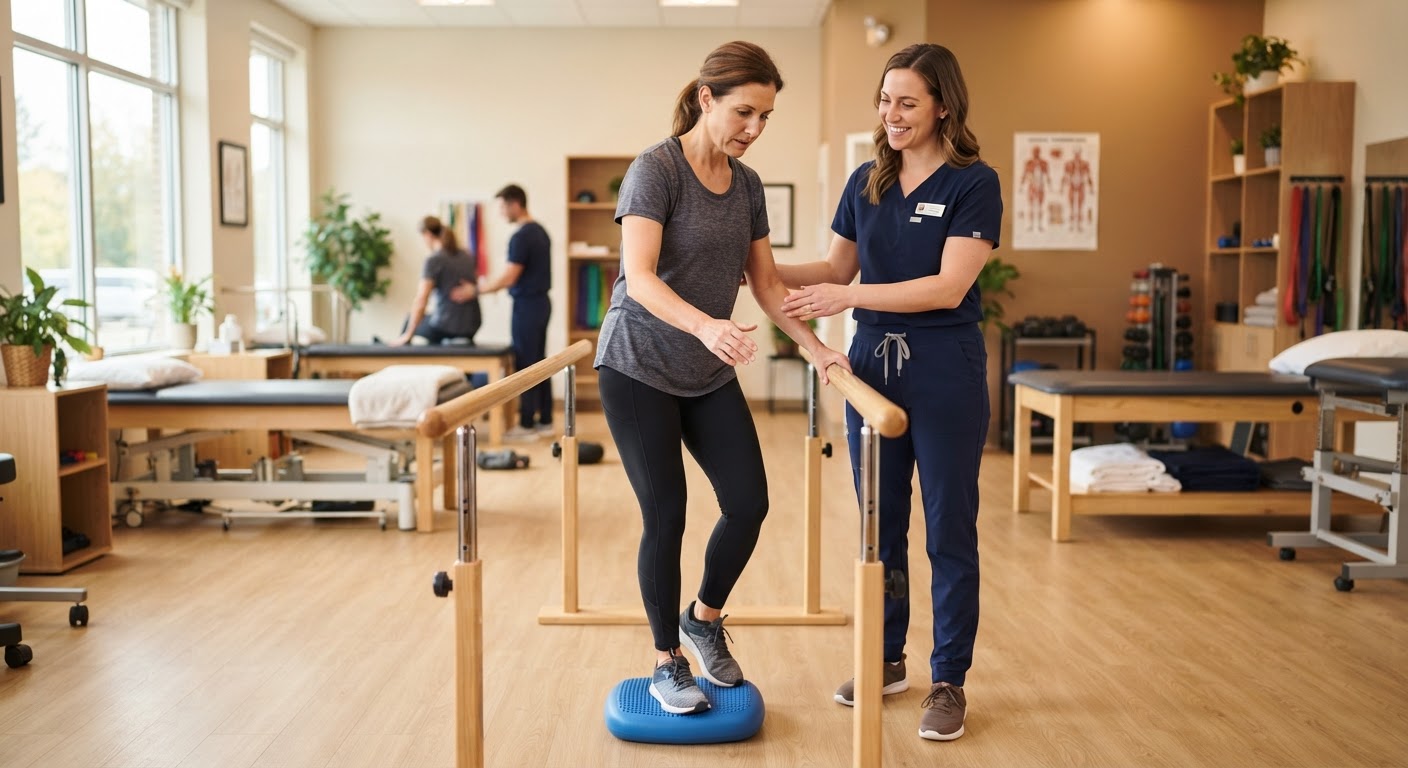
Depending on your needs, care may include guided exercises, gradual strengthening, mobility work, balance training, hands on techniques, and education about pacing activities. Your therapist may also teach a home program and adjust it as your tolerance changes.
Support Recovery Between Appointments
Follow your healthcare team’s instructions about activity, medications, driving, and returning to work. Unless you have been advised to restrict movement, gentle activity within your tolerance may be preferable to prolonged bed rest. Avoid forcing stretches or pushing through sharp, spreading, or worsening pain.
Take breaks from positions that increase discomfort, and discuss sleep difficulties with your clinician. Use heat or cold only as recommended, with a protective layer to prevent skin injury.
Recovery timelines vary. Keep your care team informed if symptoms worsen, new symptoms appear, or progress stalls. A changing symptom pattern may require reassessment rather than simply increasing exercise.
Take the Next Step Toward Recovery
After a car accident, you do not have to navigate persistent pain or movement difficulties alone. Timely evaluation and an individualized rehabilitation plan can help you work toward everyday activities with greater confidence.
If you live or work near Hallandale and need guidance about physical therapy after a collision, contact Physical Therapy NOW™. Schedule an appointment or call 800.481.4582 to discuss your next steps.
Ready to start feeling better?
Physical Therapy NOW™ has 40+ Florida locations with same-week appointments. Most insurance, auto accident (PIP), workers' compensation and Medicare accepted.