Physical Therapy vs Surgery: How to Choose Your Next Step
When pain limits your work, sleep, or favorite activities, it is natural to wonder whether surgery is the fastest path forward. For many musculoskeletal conditions, conservative care such as physical therapy may be a reasonable first step. It can help address pain, improve movement, and build strength without an operation. In other situations, surgery may be appropriate or time-sensitive. The best choice depends on your diagnosis, symptoms, health history, goals, and response to treatment.
At Physical Therapy NOW™ in Coral Springs, FL, patients can discuss rehabilitation options and work toward a plan suited to their needs. A physical therapist can assess movement and function, help you understand conservative care, and coordinate with your physician when needed. This article offers general information, not a diagnosis or a substitute for medical advice.
What Conservative Care Means
Conservative care refers to nonsurgical approaches used to manage a condition and support recovery. Depending on your needs, a plan may include physical therapy, a home exercise program, activity adjustments, education about pain and movement, and guidance from your physician. Other treatments, such as medication or injections, may be considered by your medical provider.
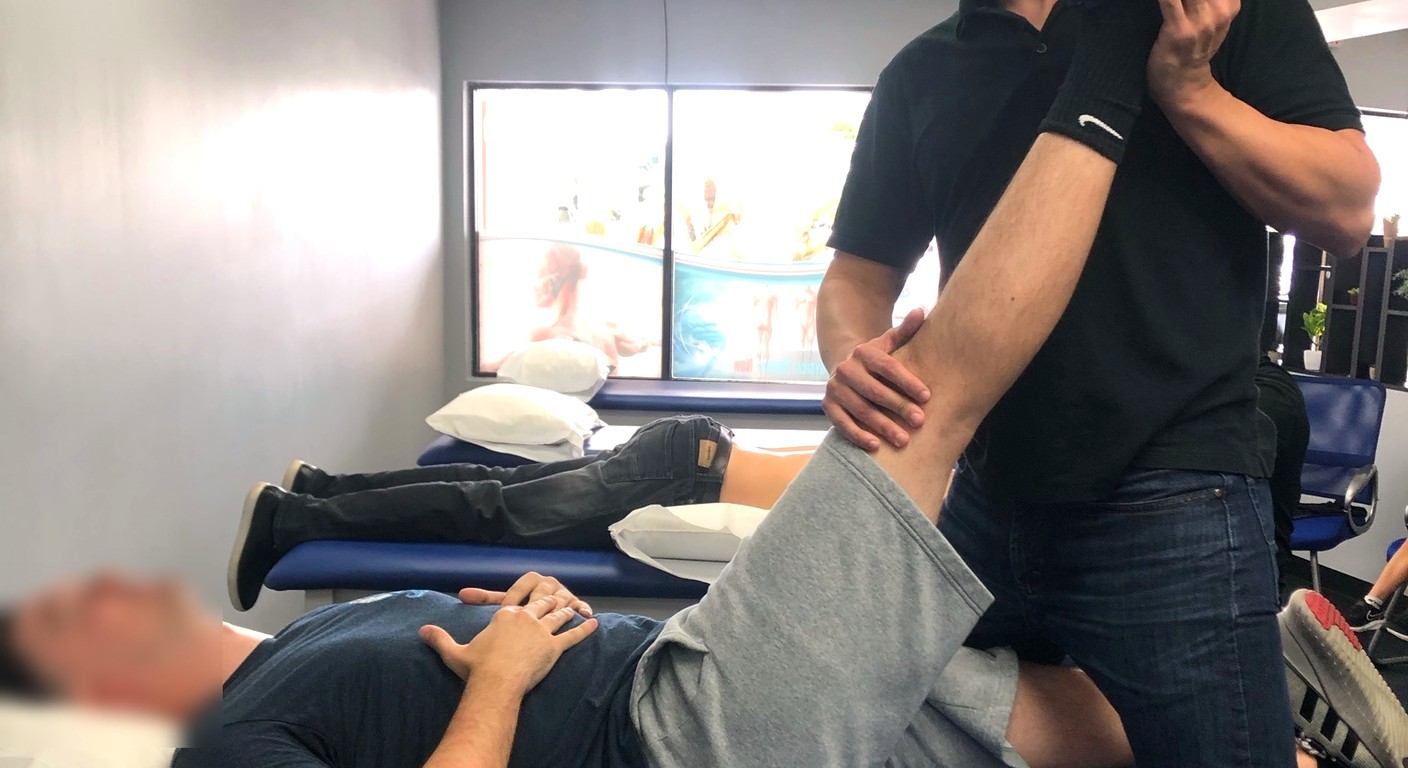
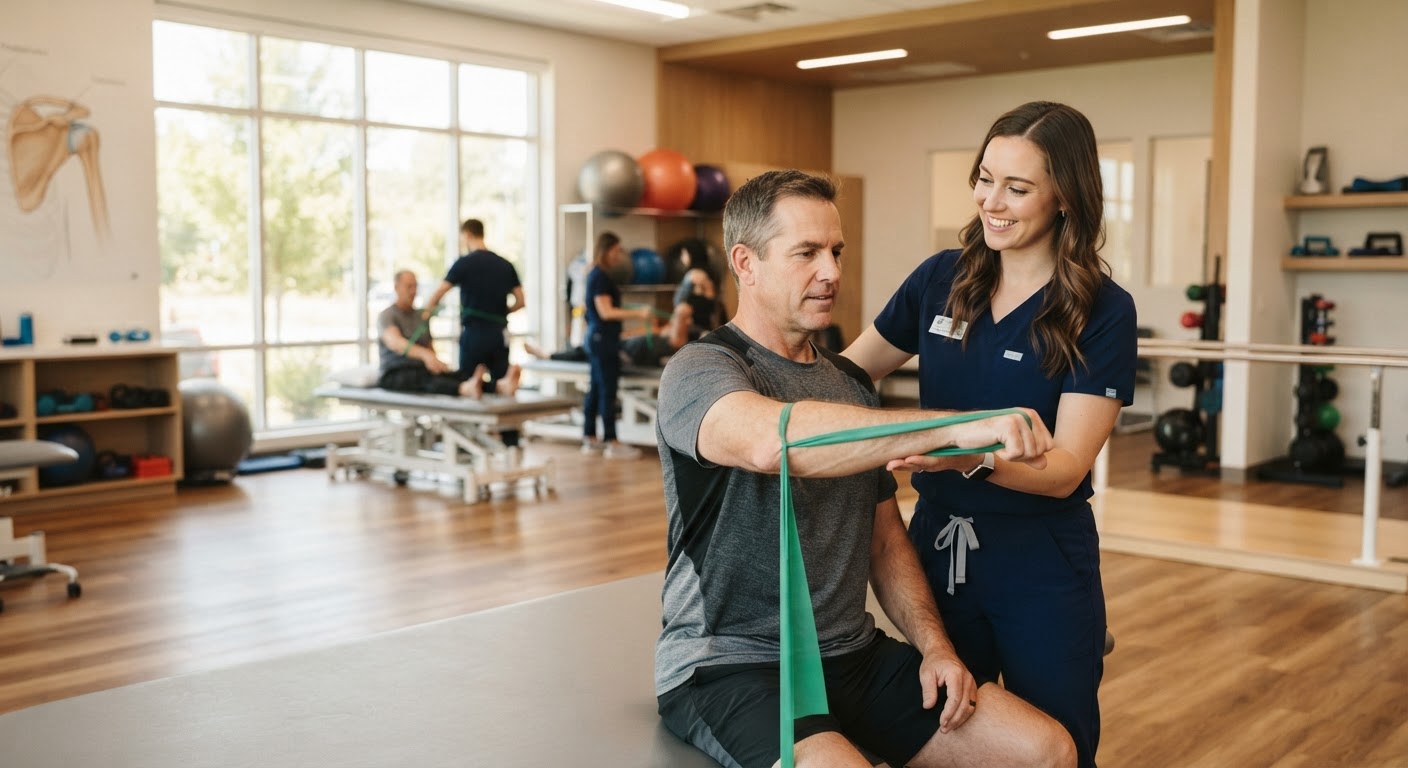
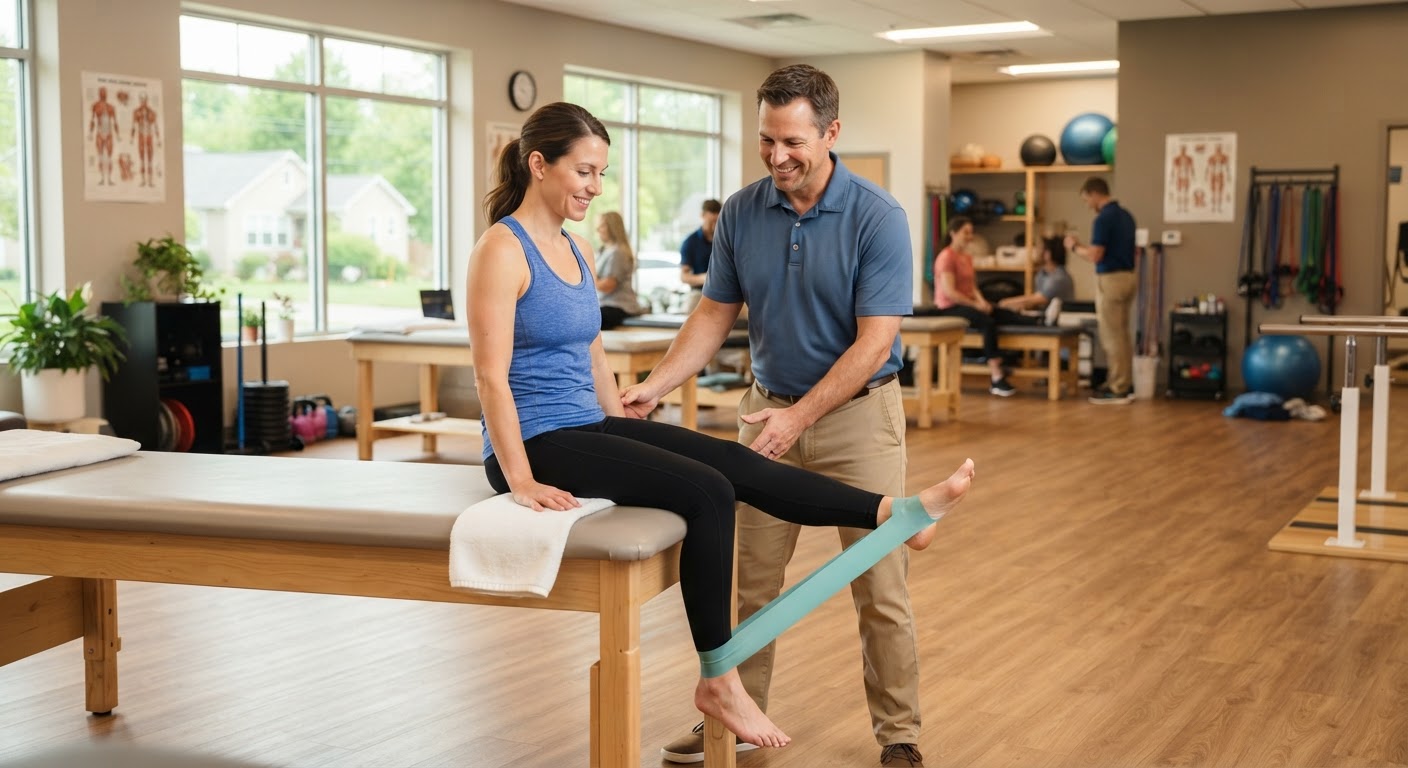
Physical therapy is not simply a set of exercises. A therapist may assess strength, flexibility, balance, posture, and the way you perform everyday tasks. Treatment can then focus on your specific limitations. For example, someone with knee pain may work on leg strength and stair mobility, while a person with shoulder discomfort may practice controlled reaching and improve shoulder movement.
When Physical Therapy May Be a Good First Step
Conservative care may be worth discussing when symptoms are mild to moderate, there is no urgent medical concern, and your healthcare provider believes a nonsurgical approach is appropriate. It may also be considered when pain or stiffness affects daily activities but the cause and treatment options still need to be evaluated.
A physical therapist can help you work toward practical goals, such as walking farther, lifting comfortably, returning to recreational activity, or managing household tasks. Rehabilitation is often adjusted as your abilities change. Your therapist may modify exercises, increase a challenge gradually, or recommend follow-up with your physician if your symptoms are not responding as expected.
A trial of physical therapy does not mean you are refusing surgery forever. It can help you understand how your body responds to movement-based care and give you more information to discuss with your medical team. Some people also use therapy before a planned procedure to improve strength and function, or after surgery as part of recovery, when cleared by their provider.
When Surgery May Be Considered
Surgery may be an option when a specific structural problem is identified, symptoms remain significantly limiting despite appropriate nonsurgical care, or a physician determines that an operation is the safest or most effective approach. Some injuries and conditions require prompt medical evaluation. The recommendation depends on the diagnosis and individual circumstances, so there is no single timeline or treatment that fits everyone.
Ask your physician to explain the expected benefits, risks, recovery demands, and alternatives. You may also ask what could happen if you wait, whether physical therapy is appropriate before deciding, and what signs should prompt urgent care. If you are unsure about a recommendation, it can be reasonable to ask whether a second medical opinion is appropriate.
Questions to Help Guide Your Decision
Before choosing a treatment path, consider asking:
What is the most likely cause of my symptoms, and what findings support that diagnosis?
What are the nonsurgical options, and how will we know whether they are helping?
What are the potential benefits and risks of surgery in my situation?
How might treatment affect my work, caregiving, sleep, and usual activities?
What should I do if my symptoms worsen or new symptoms appear?
Bring a list of your symptoms, medications, prior treatments, and goals to appointments. Be specific about when pain began, what makes it better or worse, and which activities are difficult. Clear information helps your care team discuss options that reflect your priorities.
Practical Tips for Starting Rehabilitation
Follow the plan developed with your healthcare providers, and tell your therapist about changes in pain or function. Exercises should match your current ability; do not push through sharp, unusual, or rapidly worsening pain without guidance. Ask for demonstrations and written instructions if you are unsure how to perform an exercise at home.
Consistency matters, but progress does not always feel linear. Keep track of useful changes, such as improved walking distance, easier transfers, or better tolerance for work tasks. If an exercise or activity repeatedly aggravates your symptoms, contact your therapist or physician rather than simply abandoning the plan or making large changes on your own.
Seek prompt medical attention for concerning symptoms such as sudden severe pain after an injury, new or worsening weakness, loss of bladder or bowel control, or numbness in the groin area. These signs require urgent assessment. When in doubt about a new or severe symptom, contact a qualified medical professional.
Make an Informed Choice
Physical therapy and surgery are not competing answers for every condition. Conservative care may offer a path to pain relief and better function, while surgery may be appropriate for particular diagnoses or circumstances. A thoughtful decision comes from understanding your options, discussing your goals with your physician, and monitoring how your symptoms respond.
Physical Therapy NOW™ can help you explore rehabilitation and movement goals as part of your care plan. Visit or call the Coral Springs location to ask about getting started and discuss how physical therapy may fit your next steps. Your clinic team can help you take an informed, practical approach to care.
Ready to start feeling better?
Physical Therapy NOW™ has 40+ Florida locations with same-week appointments. Most insurance, auto accident (PIP), workers' compensation and Medicare accepted.