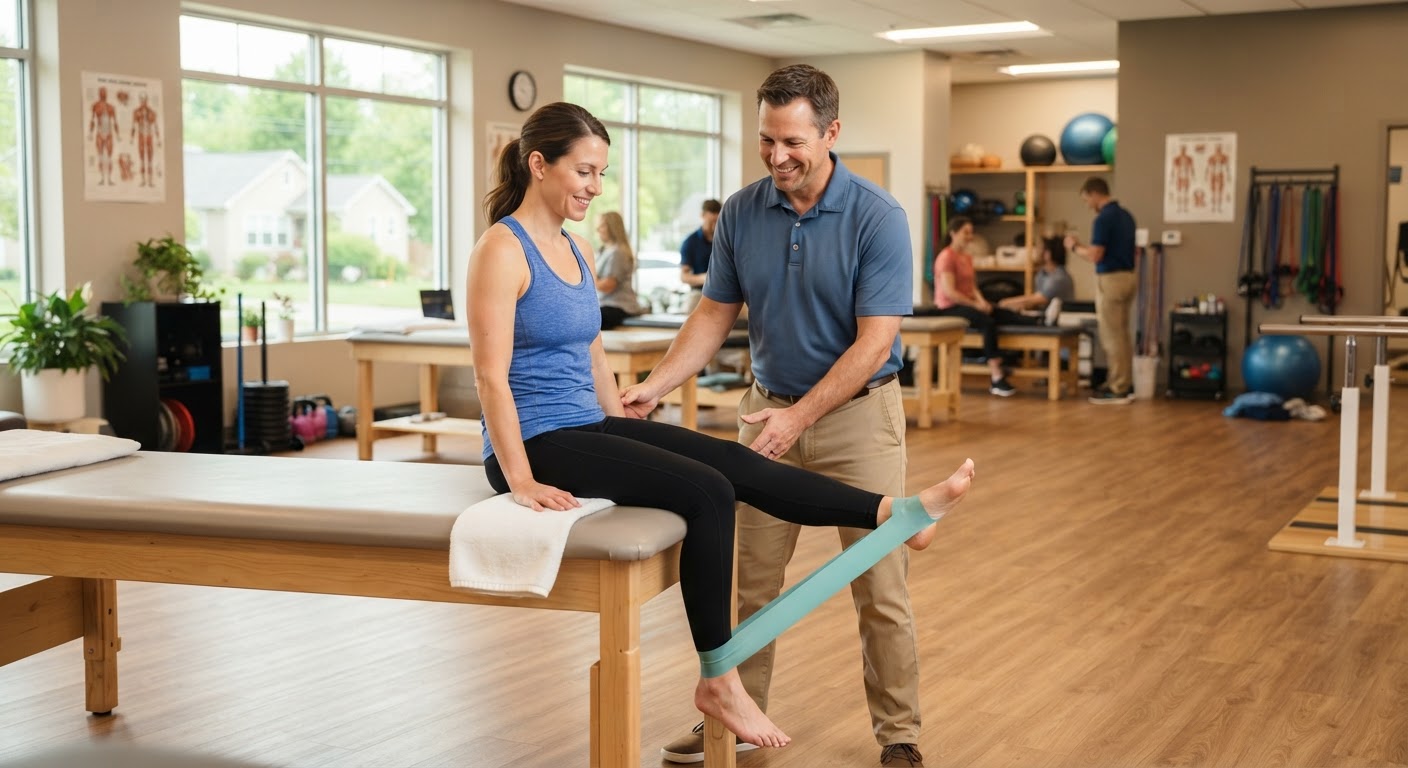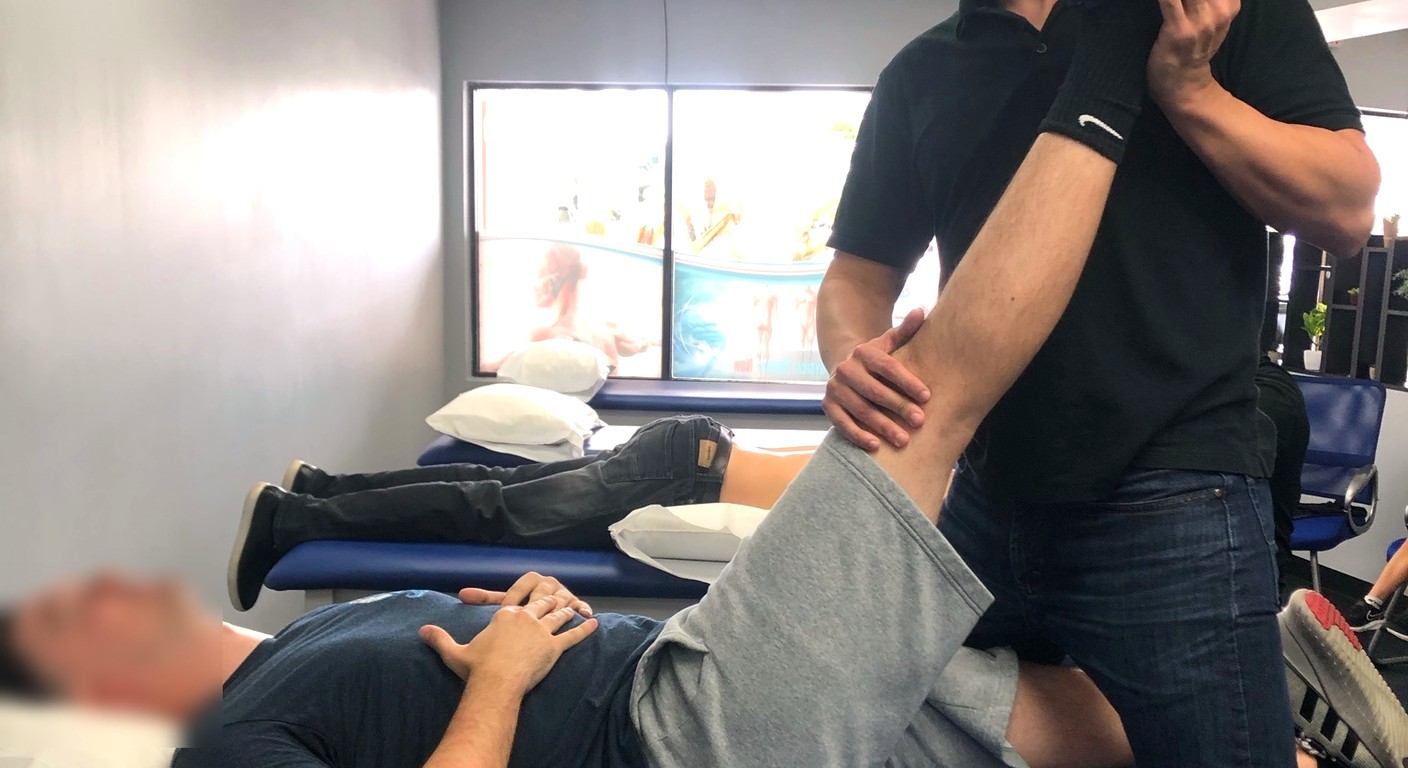
Pain or an injury can make surgery feel like the fastest path back to normal. But surgery is not the only option for many musculoskeletal conditions. Depending on your diagnosis, symptoms, and health history, physical therapy may offer a conservative first step to reduce pain, improve movement, and help you return to daily activities.
Choosing between rehabilitation and surgery is a personal medical decision. Understanding what conservative care involves—and when surgery may be appropriate—can help you have a more informed conversation with your healthcare provider. At Physical Therapy NOW™ in Sanford, FL, a physical therapist can assess your movement and discuss whether a therapy plan may fit your needs.
What Conservative Care Means
Conservative care refers to nonsurgical approaches for managing an injury or condition. It may include physical therapy, a home exercise program, activity changes, education about movement, and other treatments recommended by your healthcare team. The goal is to address symptoms and improve function while avoiding or delaying an operation when appropriate.
Physical therapy is not simply a set of exercises. A physical therapist evaluates how you move, what activities are difficult, and which factors may be contributing to your symptoms. Your plan may include guided strengthening, flexibility or balance exercises, movement training, and strategies for gradually returning to work, recreation, or household tasks.
When Physical Therapy May Be a Reasonable First Step
Conservative care may be considered for many joint, muscle, and movement-related problems. It may be an option when symptoms are manageable, there is no urgent need for an operation, and your healthcare provider believes nonsurgical treatment is appropriate. It can also be useful when you want to understand your options before making a surgical decision.
A physical therapist can help you work toward practical goals, such as walking more comfortably, reaching overhead, getting up from a chair, or returning to a favorite activity. Progress varies by person and condition. Your therapist can adjust the plan based on your response rather than relying on a one-size-fits-all routine.
In some cases, rehabilitation is recommended before surgery to build strength and improve mobility. After an operation, physical therapy may also be an important part of recovery. The right timing and approach depend on your diagnosis and the recommendations of your medical team.
When Surgery May Be Appropriate
Surgery may be considered when a condition is severe, when a specific structural problem needs surgical treatment, or when a well-managed course of conservative care has not provided enough improvement. Some injuries or medical situations require prompt evaluation and may not be appropriate for a trial of physical therapy alone.
Your provider can explain the expected benefits, risks, recovery demands, and alternatives for a procedure. Ask how surgery might affect your daily activities, what rehabilitation could involve, and what signs would suggest that nonsurgical care is or is not working. If you are unsure, asking whether a second opinion is appropriate may help you feel more confident in your decision.
How to Make an Informed Choice
Start with an accurate evaluation. Share when your symptoms began, what makes them better or worse, which activities are limited, and what treatments you have already tried. Mention relevant medical conditions, previous injuries, and your personal goals. These details help your healthcare team recommend care that reflects your situation.
Consider asking these questions:
What is the likely cause of my symptoms?
Are there nonsurgical options that are appropriate for me?
What goals should I expect to work toward with physical therapy?
How will we track progress, and when should the plan be reassessed?
What are the benefits and risks of surgery compared with conservative care?
What symptoms should prompt me to seek urgent medical attention?
Give the agreed-upon plan a fair, safe trial and keep track of changes. Note your pain, movement, sleep, and ability to complete important tasks. Improvement may be gradual, and a temporary increase in activity can sometimes affect symptoms. Tell your therapist or provider if pain becomes significantly worse, new symptoms appear, or you are not progressing as expected. Do not push through sharp or escalating pain without guidance.
Practical Steps That Can Support Recovery
Follow the activity guidance provided by your clinician. Avoid complete inactivity unless advised, but scale back or modify tasks that repeatedly aggravate your symptoms. Break demanding activities into shorter periods and build up gradually.
Complete your home exercises as instructed, focusing on comfortable, controlled movement and proper technique. If an exercise causes concerning pain or you are unsure how to perform it, ask your therapist before continuing. Consistency matters more than trying to do too much at once.
Keep appointments and communicate openly about what is working. Rehabilitation is a partnership: your feedback helps your physical therapist tailor exercises and activity recommendations to your goals. A plan may change as your strength, mobility, and confidence improve.
Take the Next Step
There is no single answer to physical therapy versus surgery. The best choice depends on your condition, overall health, goals, and response to care. A physical therapist can help you understand your movement needs and explore conservative options, while your physician or specialist can advise whether surgery is medically appropriate.
If pain is limiting your routine, contact Physical Therapy NOW™ to ask about an evaluation at the Sanford location. Visit or call our Sanford, Florida clinic to discuss your goals and learn whether physical therapy and rehabilitation may be a useful next step toward pain relief.
Ready to start feeling better?
Physical Therapy NOW™ has 40+ Florida locations with same-week appointments. Most insurance, auto accident (PIP), workers' compensation and Medicare accepted.