Physical Therapy vs Surgery: How to Make an Informed Choice
When pain or an injury limits your daily life, it is natural to wonder whether surgery is the fastest path to feeling better. In many cases, physical therapy and other conservative treatments can help improve mobility, strength, and pain without an operation. In other situations, surgery may be the most appropriate option. The right choice depends on your diagnosis, symptoms, health, goals, and response to care.
At Physical Therapy NOW™, our team helps people understand their options and work toward practical improvements in movement and function. If you are weighing physical therapy against surgery, an evaluation and conversation with qualified healthcare professionals can help clarify a safe next step.
What Conservative Care Can Include
Conservative care refers to treatment that does not involve surgery. Depending on the condition, it may include physical therapy, activity modification, home exercises, pain management recommended by a medical provider, and changes to everyday movement habits.
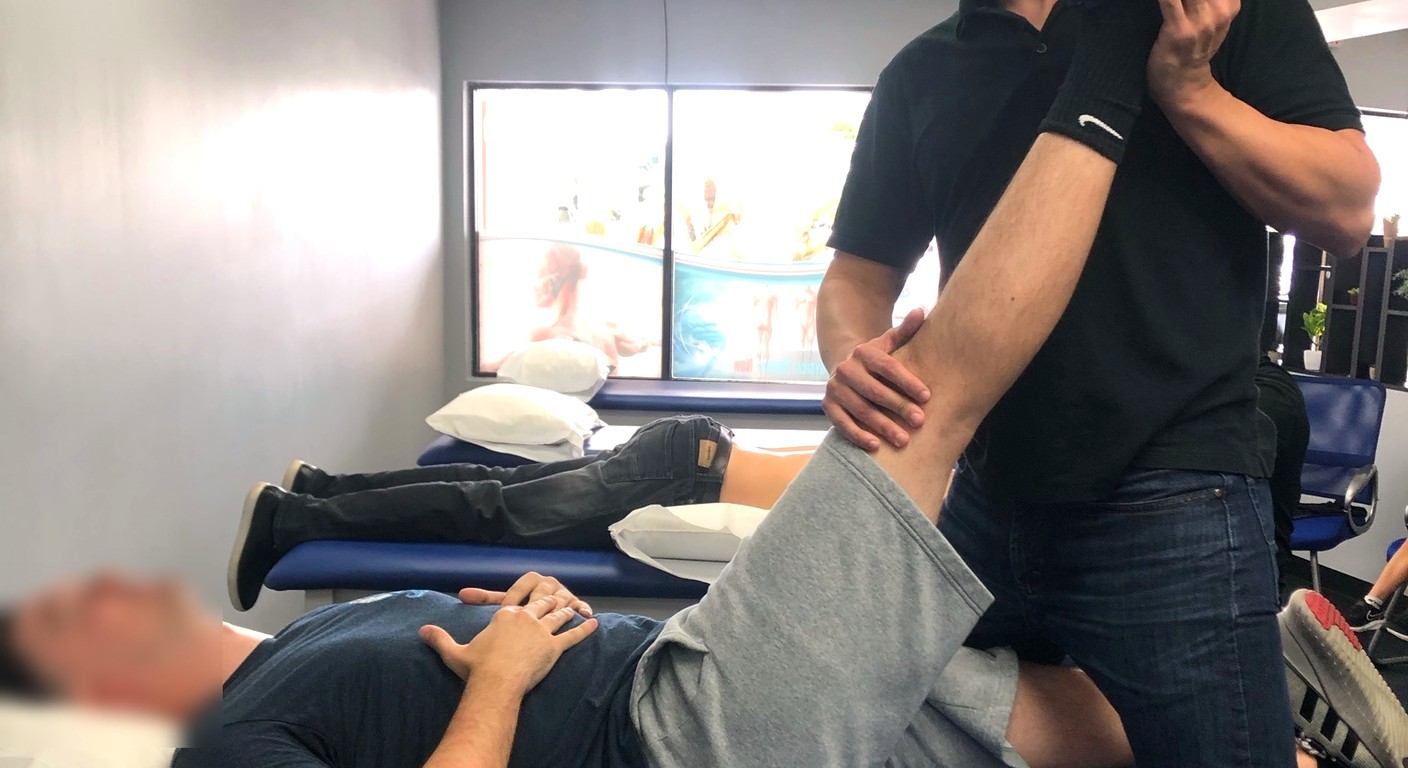
Physical therapy is often tailored to your needs. A therapist may assess your movement, strength, balance, flexibility, and symptoms, then develop a plan that could include therapeutic exercise, mobility work, hands-on techniques, and guidance on managing activities. Rehabilitation is not simply a set of exercises. It is a gradual process designed to help you move more confidently and return to meaningful activities.
For some people, conservative care helps reduce pain and improve function enough to avoid surgery. For others, it can build strength and prepare the body before an operation or support recovery afterward. Results and timelines vary, and no treatment can guarantee a particular outcome.
When Physical Therapy May Be a Reasonable First Step
A physical therapy evaluation may be worth considering when symptoms are manageable, there is no urgent medical concern, and your clinician believes movement-based care is appropriate. It may be especially useful when pain is affecting walking, lifting, work, exercise, or household tasks, but you are medically stable and able to participate in a structured program.
Conservative care may also be considered for certain muscle, joint, and movement-related problems. Your specific diagnosis matters: similar symptoms can have different causes, and the best treatment for one person may not suit another. A physical therapist can assess your function and communicate relevant findings to your referring provider when appropriate.
A good plan should include goals you can recognize in daily life. These might include walking to the mailbox with less difficulty, getting up from a chair more comfortably, or returning to a favorite activity. Progress is often gradual. Your therapist can adjust exercises and activity levels based on your response rather than asking you to push through worsening symptoms.
When Surgery May Be Appropriate
Surgery may be considered when a medical evaluation identifies a problem that is unlikely to improve sufficiently with conservative care, when symptoms remain severe despite an appropriate treatment trial, or when a condition requires timely surgical attention. The decision depends on the procedure, diagnosis, overall health, risks, expected benefits, and your personal priorities.
Seek prompt medical attention for concerning symptoms such as sudden or rapidly worsening weakness, major loss of sensation, severe pain after an injury, or new problems controlling your bladder or bowels. These examples are not a complete list. If symptoms feel urgent or alarming, contact a medical professional or emergency services rather than waiting for a routine therapy appointment.
If surgery is recommended, ask the surgeon to explain why, what may happen without it, the expected recovery process, and whether a second opinion is reasonable. You can also ask whether physical therapy before surgery could help you prepare and what rehabilitation may involve afterward.
Questions To Ask Before You Decide
Clear questions can make a complex choice easier to navigate. Consider asking your physician or surgeon:
What is the likely cause of my symptoms, and how certain is the diagnosis?
What nonsurgical options are appropriate for me, and how will we measure progress?
How long should I try conservative care before reassessing?
What benefits, risks, and recovery demands are associated with surgery?
Could physical therapy help before or after a procedure?
Which symptoms should prompt me to seek care sooner?
Bring a list of your symptoms, medications, previous treatments, and activity goals to appointments. Be specific about what makes symptoms better or worse and how they affect your routine. This information can help your care team recommend a plan that reflects your needs.
Practical Tips For Starting Physical Therapy
Follow the guidance of your healthcare provider and choose exercises that have been selected for your condition. Avoid copying a routine from someone else or increasing resistance and repetitions too quickly. More activity is not always better, particularly when it causes a clear increase in pain or swelling.
Keep track of changes in function, not only pain. Note how far you can walk, how comfortably you can sleep, or whether a daily task feels easier. Use the home program your therapist provides, and ask for modifications if an exercise is confusing, difficult to perform, or consistently aggravates your symptoms. Tell your therapist about changes in your health and any concerns between visits.
Physical Therapy NOW™ West Kendall serves people in Miami, FL who are looking for individualized physical therapy and rehabilitation support. The team can help you understand what an evaluation may involve and discuss whether therapy could fit into the plan recommended by your medical provider.
Choosing Your Next Step
There is no single answer to physical therapy versus surgery. Conservative care may be a sensible starting point for some conditions, while surgery may be necessary or preferred in others. A careful diagnosis, open discussion of benefits and risks, and attention to your goals can help you make a decision with your healthcare team.
If pain is limiting your movement, you do not have to figure out the next step alone. Contact Physical Therapy NOW™ at the West Kendall location in Miami, FL to ask about an evaluation and learn how a personalized rehabilitation plan may support pain relief and improved function. Call or visit the clinic to get started.
Ready to start feeling better?
Physical Therapy NOW™ has 40+ Florida locations with same-week appointments. Most insurance, auto accident (PIP), workers' compensation and Medicare accepted.