Sports Injury Rehabilitation: What to Expect
A sports injury can interrupt your routine, limit your performance, and leave you wondering when it is safe to get back in the game. Whether you are dealing with a sprain, muscle strain, tendon irritation, or an injury from repetitive training, physical therapy can help you work toward better movement and a confident return to activity.
Rehabilitation is not a one-size-fits-all process. Your plan should reflect your injury, daily activities, goals, and response to treatment. At Physical Therapy NOW™ in Davie, FL, the process begins with understanding what is bothering you and building a practical plan for recovery.
Your First Visit And Evaluation
Your first appointment is an opportunity for your physical therapist to learn how the injury happened and how it affects you. Expect questions about your symptoms, training schedule, work and recreational activities, previous injuries, and personal goals. Be ready to describe what makes symptoms better or worse and whether you have noticed swelling, stiffness, weakness, or difficulty moving normally.
The therapist may assess your posture, range of motion, strength, balance, coordination, and movement patterns. Depending on your needs, they may observe sport-related tasks such as squatting, reaching, running, or changing direction. These findings help identify areas to address and establish a starting point for tracking progress.
Wear comfortable clothing that allows the affected area to be examined and moved. Bring relevant medical information and a list of questions. If you have imaging results or recommendations from another healthcare professional, share them with your therapist. A clear conversation helps make your care more specific to you.
Building A Personalized Rehabilitation Plan
After the evaluation, your therapist will discuss the findings and explain the next steps. Your rehabilitation plan may include therapeutic exercise, mobility work, balance training, hands-on techniques, and guidance on modifying activities. The combination depends on your condition and how your body responds.
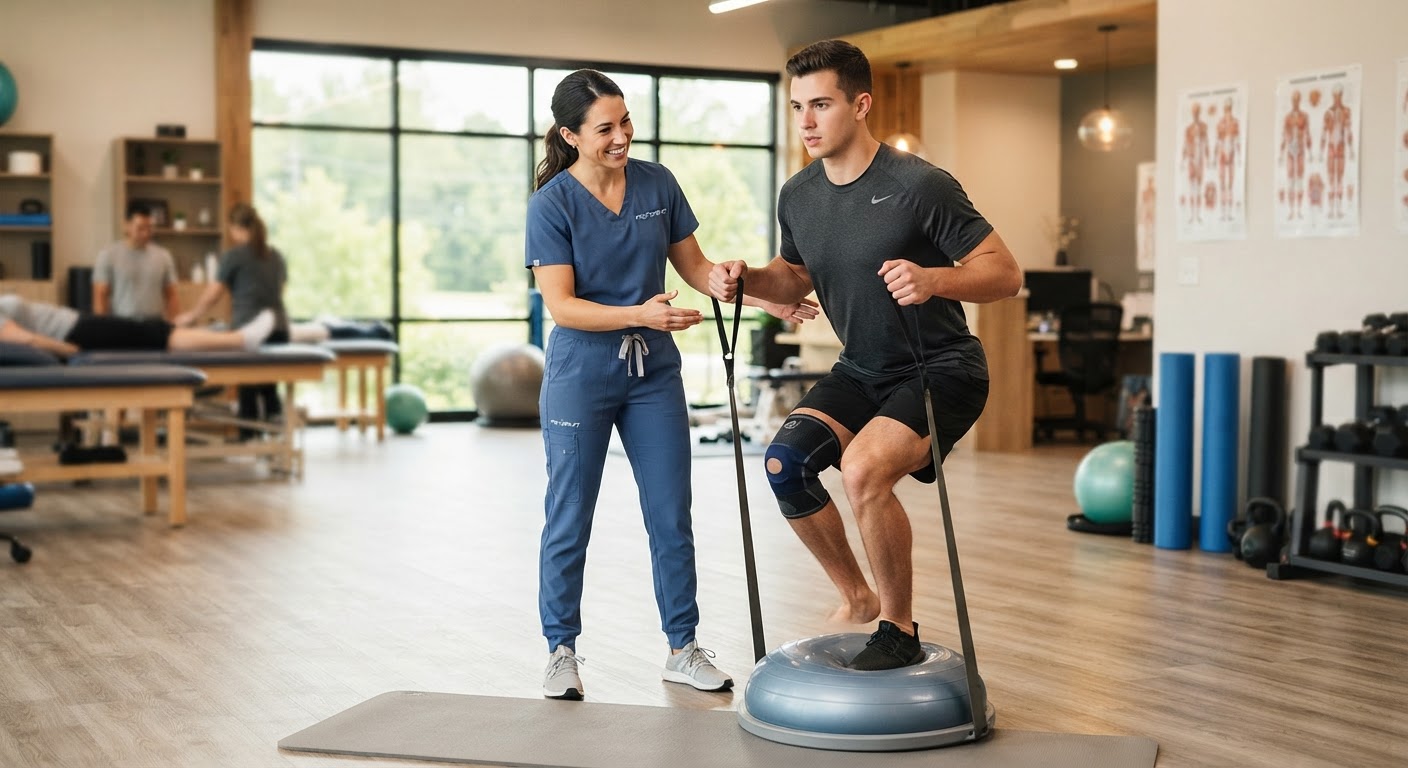
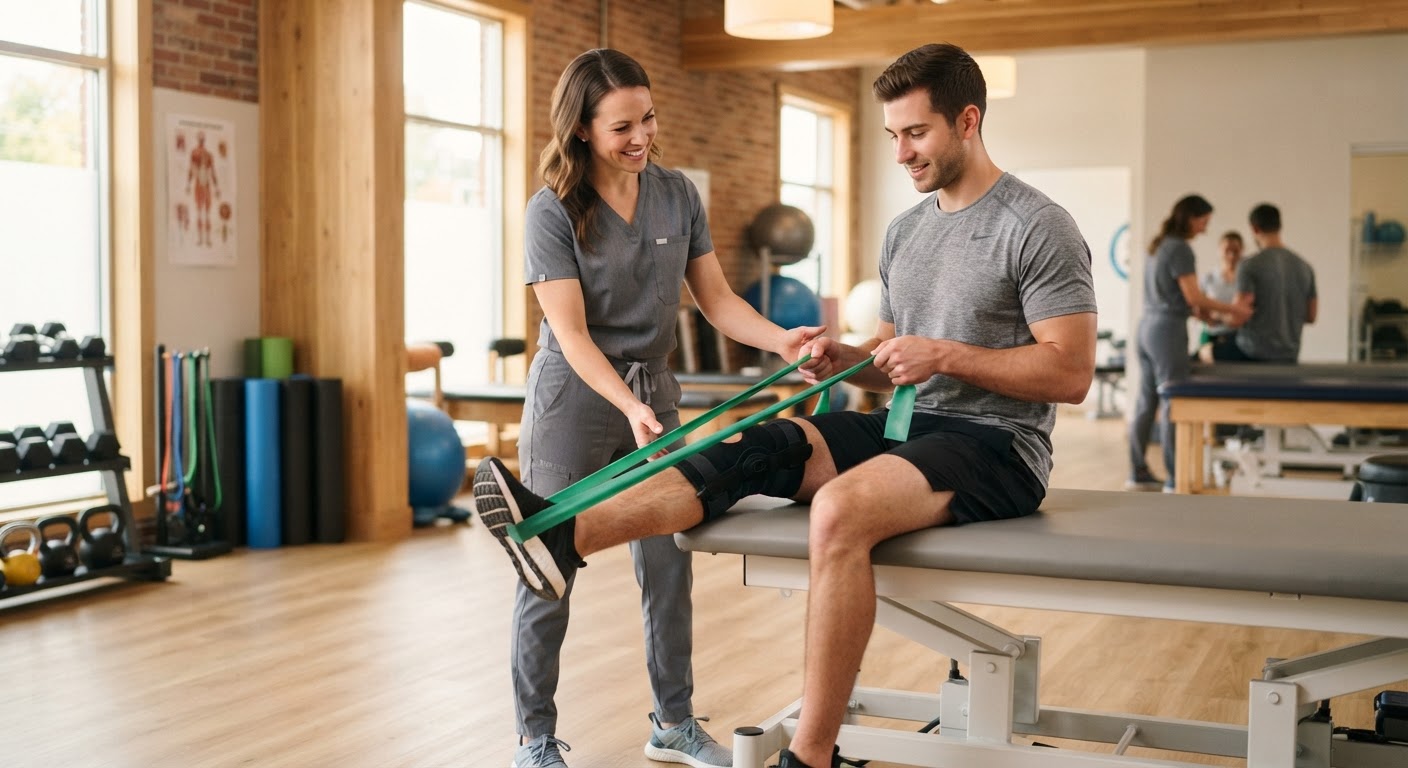
Exercise is often an important part of physical therapy because it can help restore strength, control, and tolerance for movement. Early exercises may be gentle and focused on comfortable motion. As you improve, your program may progress to more challenging activities that prepare you for the demands of your sport or routine.
Your plan should also include goals that matter to you. Those may involve walking comfortably, returning to practice, improving a specific movement, or managing symptoms during everyday tasks. Progress is usually gradual, and your therapist can adjust the program as your abilities change.
Managing Pain And Symptoms
Pain relief is a common reason people seek rehabilitation, but the goal is not simply to push through discomfort. Tell your therapist how activities feel during and after a session, including whether symptoms linger or worsen later. This feedback helps the therapist choose an appropriate level of challenge and modify exercises when needed.
Follow the activity guidance you receive. Depending on the injury, you may need to temporarily reduce certain movements, change how often you train, or use a gradual return-to-activity plan. Complete rest is not always necessary, but continuing every activity at the same intensity may not be appropriate either. Your clinician can help you find a balance that supports recovery.
For home care, follow instructions from your healthcare team rather than relying on a generic plan. If you experience a major increase in pain, new numbness or tingling, significant swelling, or another concerning change, contact your healthcare provider for guidance. Seek urgent care for severe or sudden symptoms.
What Happens During Treatment
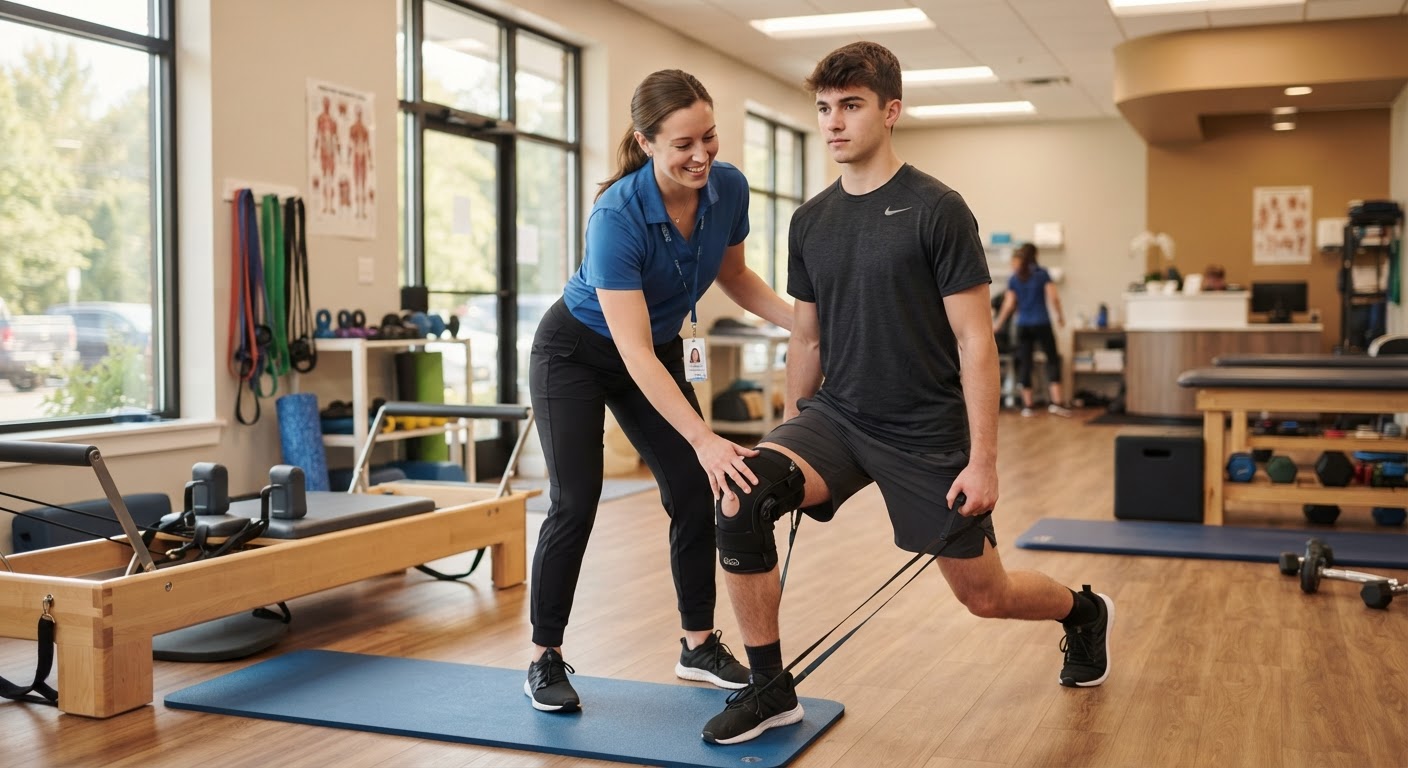
A typical visit may include a check-in about your symptoms and activity since the last appointment, followed by exercises or other treatments selected for your needs. Your therapist may coach you on technique, adjust resistance, or explain how to make an exercise easier or more challenging. You should have a chance to ask questions and understand the purpose of your program.
Consistency matters. Attending scheduled appointments and completing recommended home exercises can help you practice the skills needed for recovery. Keep the program manageable by asking your therapist how to fit it into your day and what to do if an exercise is difficult to complete. Quality and safe technique are more useful than rushing through repetitions.
Returning To Sport Safely
Feeling better during daily activities is encouraging, but it does not always mean you are ready for full-speed sport. Returning too quickly can place more demand on an area that is still rebuilding strength or control. Your therapist can help you progress from basic movements to sport-specific drills and more demanding tasks as appropriate.
A gradual return may involve increasing duration, intensity, or complexity in steps rather than changing everything at once. Pay attention to how you feel during activity and afterward. Discuss any recurring symptoms with your therapist before advancing. Your readiness should be based on your function, goals, and clinical guidance, not only on a calendar date.
Practical Habits That Support Recovery
Keep a simple record of your exercises, activity levels, and symptom changes. This can help you and your therapist notice patterns and make informed adjustments. Warm up before strenuous activity, use appropriate equipment, and build training volume gradually. Avoid sudden increases in distance, weight, or practice time when possible.
Prioritize adequate rest between demanding sessions and follow any recommendations about recovery, sleep, or activity modification. If you are unsure whether a movement is appropriate, ask before trying to test the injury on your own. Small, consistent steps are often easier to maintain than an aggressive plan that leaves you discouraged.
Get Support For Your Return To Activity
Sports injury rehabilitation is a collaborative process. Your therapist brings clinical guidance, while you bring important knowledge about your symptoms, schedule, and goals. At Physical Therapy NOW™, the Davie location can help you understand your options and work toward a personalized plan for improved movement and pain relief.
If an injury is keeping you from the activities you enjoy, contact or visit the Physical Therapy NOW™ Davie location to discuss getting started. Call the clinic to ask about an evaluation and take a practical next step toward a safe, confident return to activity.
Ready to start feeling better?
Physical Therapy NOW™ has 40+ Florida locations with same-week appointments. Most insurance, auto accident (PIP), workers' compensation and Medicare accepted.