Sports Injury Rehabilitation: What to Expect
A sports injury can interrupt more than your training schedule. Pain, swelling, stiffness, or uncertainty about when it is safe to return can affect everyday activities, too. Sports injury rehabilitation offers a structured way to address your symptoms, rebuild function, and work toward returning to the activities you enjoy. At Physical Therapy NOW™ in Cutler Bay, Miami, FL, care begins with understanding your injury, your goals, and the demands of your sport or routine.
Every person and injury is different, so rehabilitation is not a one-size-fits-all program. Your physical therapist can explain what your plan involves, help you understand your progress, and adjust exercises as your needs change. Here is what you may expect along the way.
Your First Visit And Evaluation
Your first appointment is an opportunity to discuss what happened and what you hope to get back to doing. Your physical therapist may ask when your symptoms started, what movements make them better or worse, and whether you have had previous injuries. Share details about your sport, work, daily activities, and typical training schedule. These details help connect your treatment plan to real-life needs.
The evaluation may include observing how you move and assessing areas such as strength, flexibility, balance, joint mobility, and tolerance for specific activities. Your therapist will explain the findings and work with you to set meaningful goals. Those goals might include walking comfortably, climbing stairs, practicing a particular movement, or returning to sport gradually.
If you have sudden severe pain, significant swelling, difficulty bearing weight, or other concerning symptoms, seek prompt medical guidance. A physical therapist can also help determine whether additional evaluation is appropriate for your situation.
Building A Personalized Rehabilitation Plan
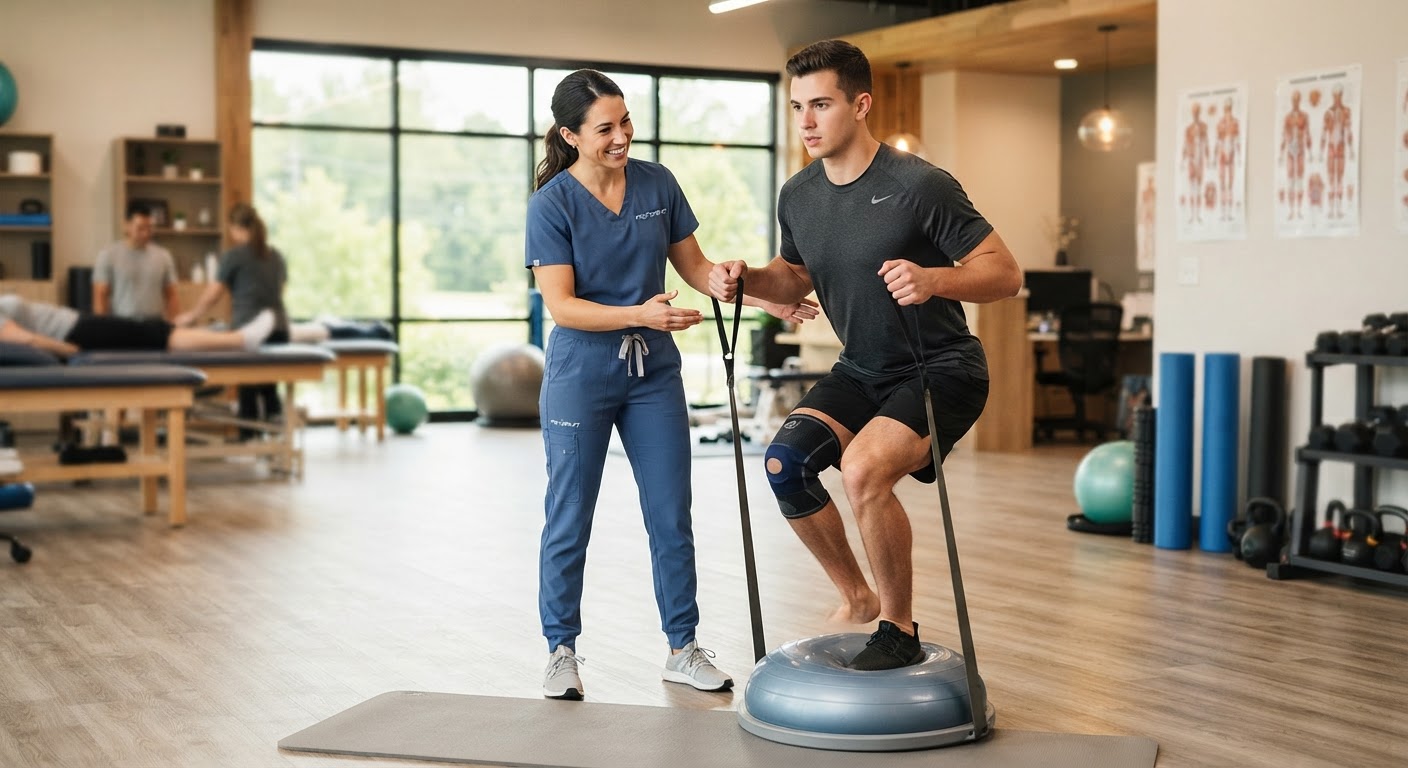
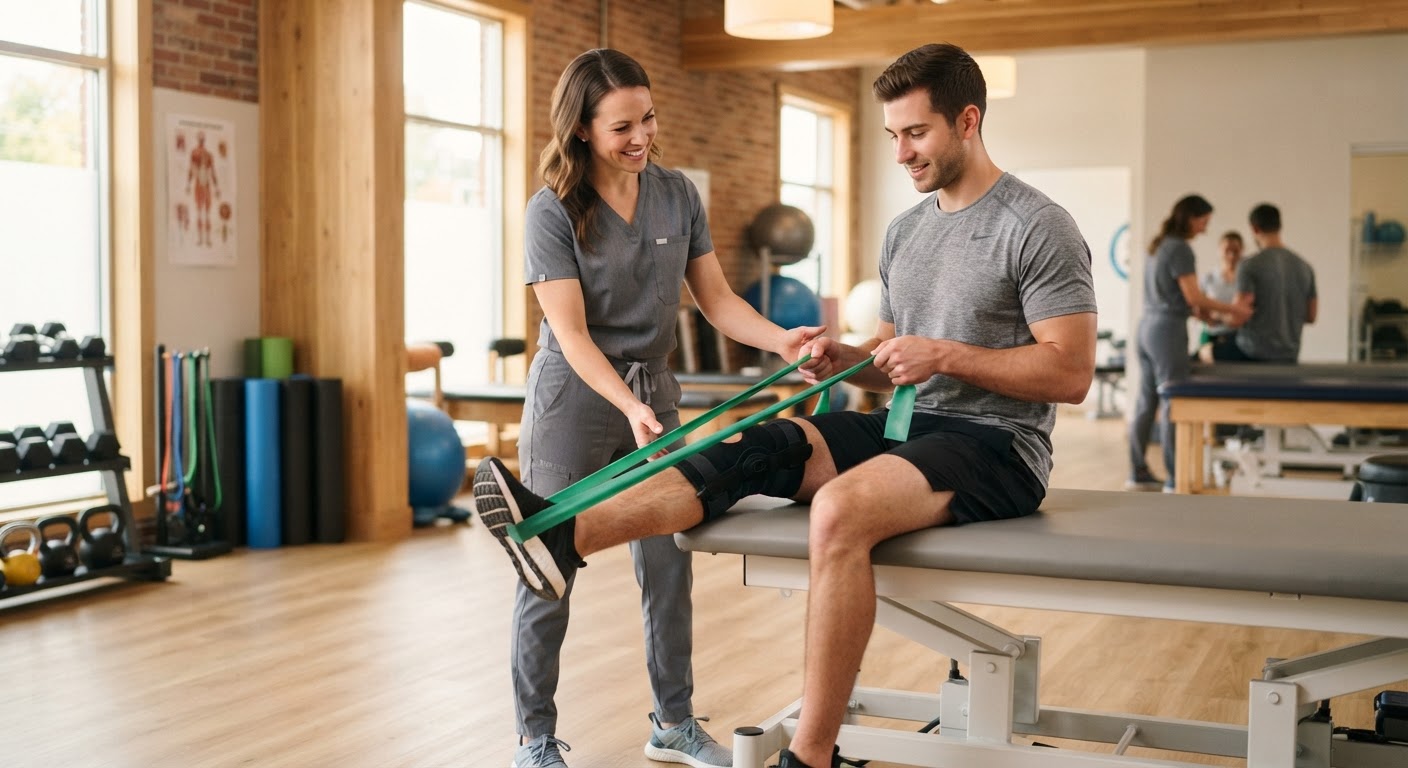
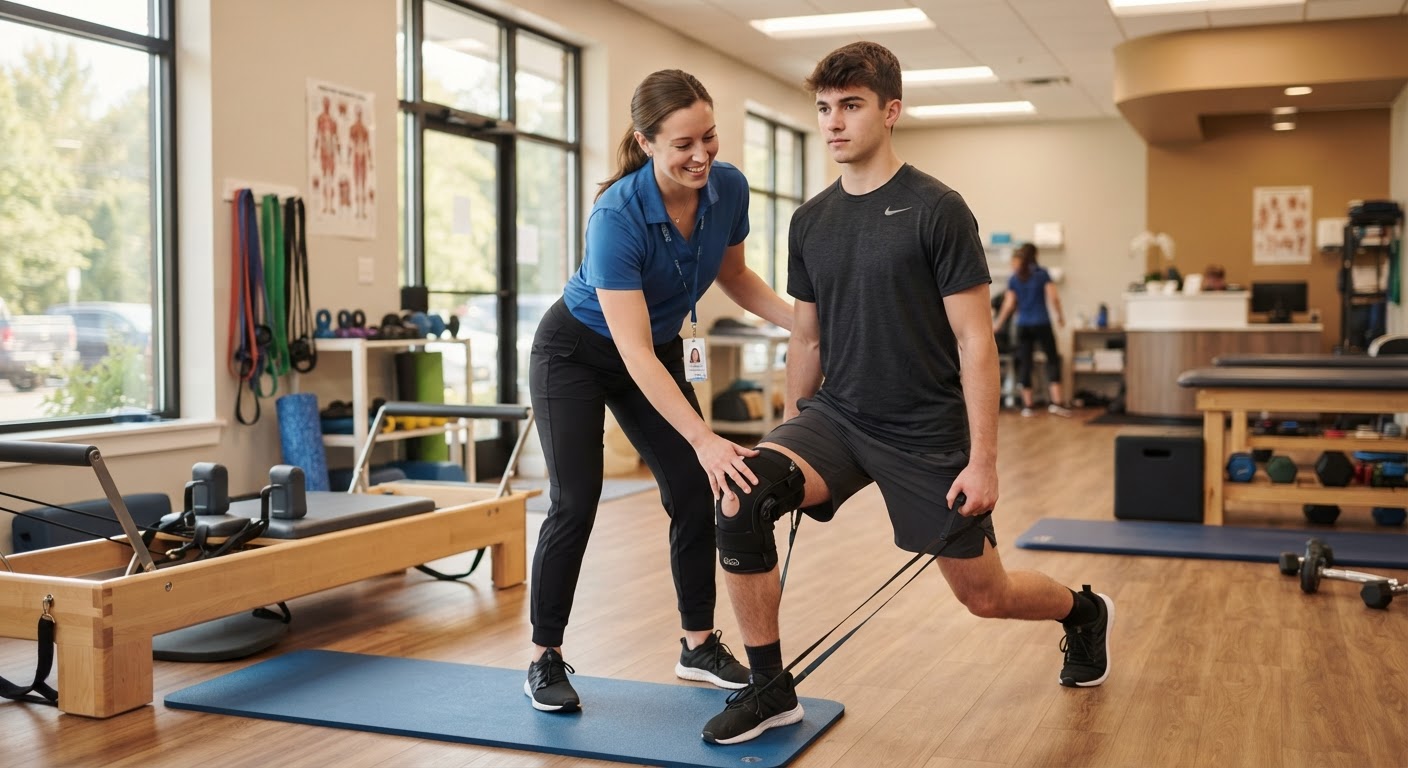
Your rehabilitation plan is designed around your injury, current abilities, and goals. Treatment may include therapeutic exercises, movement training, balance work, and hands-on techniques when appropriate. Your therapist may also provide guidance about modifying activities while you recover. The aim is to help you move more comfortably and build the capacity needed for everyday tasks and sport-specific demands.
Progress is usually gradual. Early sessions may focus on comfortable movement and foundational strength. As your tolerance improves, your program may advance to more challenging exercises, faster movements, or activities that resemble your sport. The pace depends on your response and the recommendations of your care team, rather than a fixed timeline.
Pain Relief And Managing Symptoms
Pain relief is an important part of care, but it is not the only measure of progress. Your therapist can help you understand which activities to modify and how to move within your current tolerance. You may be advised to adjust training volume, take breaks, or temporarily avoid movements that aggravate symptoms. Do not push through sharp or worsening pain without discussing it with your therapist.
Follow the home program provided for you, and ask for clarification if an exercise causes unexpected discomfort or feels difficult to perform correctly. Keeping a brief record of symptoms and activity can help you notice patterns and give your therapist useful feedback. Recovery can include better movement or confidence even when some symptoms are still present, so share both improvements and challenges at each visit.
What To Expect Between Appointments
Your progress depends partly on what happens outside the clinic. Your therapist may give you exercises to practice at home, along with instructions about how often to perform them. Choose a consistent time and place, and make the movements controlled rather than rushed. If you are unsure about technique, ask your therapist to demonstrate or review the exercise before continuing.
Stay active in ways that fit your current plan. Depending on your injury, this may mean modifying practice, choosing a lower-impact activity, or taking a temporary break from certain drills. Avoid adding extra workouts simply because you feel better on one day. A gradual increase in activity gives you a chance to observe how your body responds and discuss any setbacks early.
Returning To Sport Safely
Returning to play is a process, not a single moment. Your plan may progress from basic movement to sport-specific drills and, when appropriate, more demanding practice. Your therapist will consider your symptoms, movement quality, strength, control, and ability to tolerate relevant tasks. The specific steps depend on your injury and sport.
Before increasing your activity, talk with your physical therapist about what you can do and what should wait. Follow guidance from your healthcare team, including any restrictions from your physician. Once you resume practice, build intensity gradually, include recovery time, and pay attention to how you feel during and after activity. If symptoms return or worsen, scale back and contact your provider for guidance.
How To Get The Most From Physical Therapy
Consistency, communication, and realistic expectations can make rehabilitation more manageable. Attend appointments as recommended, complete your home exercises as instructed, and tell your therapist about changes in pain, activity, or confidence. Bring questions, especially if you are unsure why an exercise is included or how it relates to your sport.
It can also help to set small milestones. Notice improvements such as moving with less hesitation, completing daily tasks more comfortably, or handling a gradual increase in activity. Progress may not be perfectly linear, and a difficult day does not necessarily mean you have lost ground. Your therapist can help you interpret changes and adjust your plan when needed.
Start Your Recovery At Physical Therapy NOW™
Sports injury rehabilitation can provide a clear, individualized path toward improved movement and a confident return to activity. Physical Therapy NOW™ works with people at different stages of recovery, from managing symptoms to rebuilding sport-specific function. If an injury is keeping you from the activities you value, contact or visit the Cutler Bay location in Miami, FL to discuss your needs and arrange a physical therapy evaluation. Call the clinic to take the next step toward a plan tailored to you.
Ready to start feeling better?
Physical Therapy NOW™ has 40+ Florida locations with same-week appointments. Most insurance, auto accident (PIP), workers' compensation and Medicare accepted.